

More news on this day
South Korea is accelerating into one of the world’s fastest growing tourist destinations, with fresh data showing record visitor numbers as a coordinated K‑culture strategy converts global fandom for music, games, food and fashion into high‑value travel demand.
Get the latest news straight to your inbox!
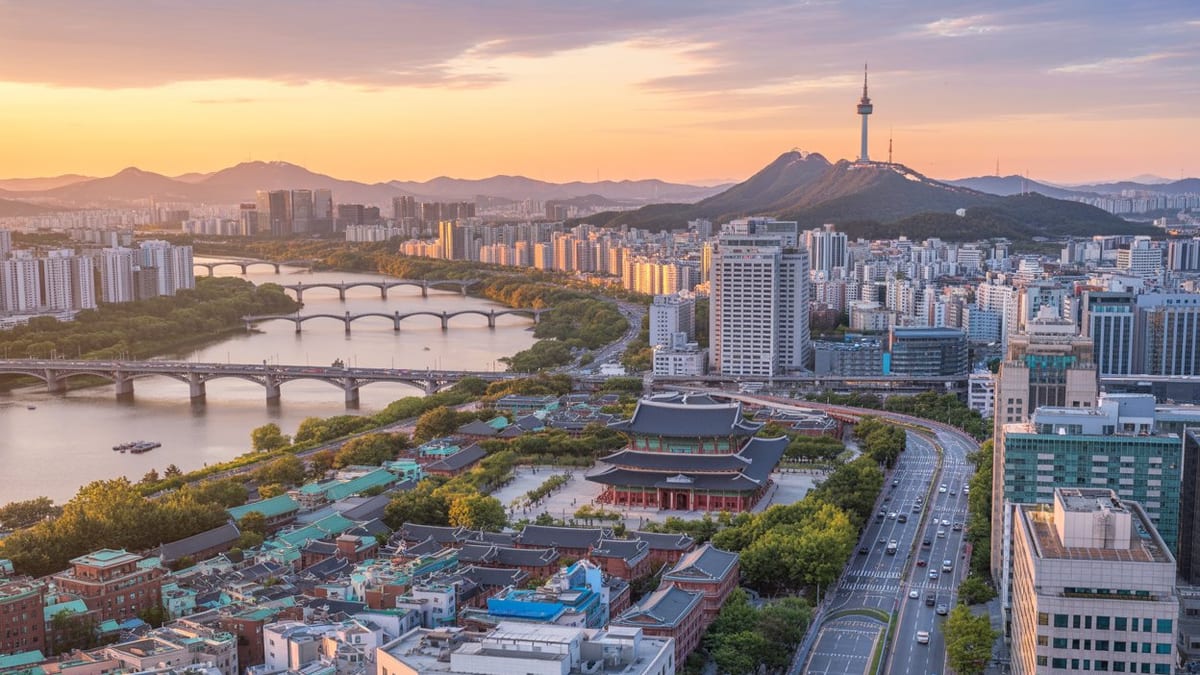
Image by Travel And Tour World
Record Arrivals Signal a New Tourism Powerhouse
Recent tourism statistics indicate that South Korea has moved beyond recovery and into outright expansion, with international arrivals climbing sharply through 2024 and 2025. Industry analyses of United Nations World Tourism Organization data show the country posting growth of nearly 49 percent in 2024, one of the strongest performances worldwide. Visitor numbers reached around 16.3 million that year, close to pre‑pandemic peaks and significantly higher than 2023 levels.
The growth trend strengthened in 2025. Travel industry reporting notes that inbound arrivals reached about 18.7 million visitors, surpassing the previous record of 17.5 million set in 2019 and marking a historic high for the country. Policy adjustments, including temporary visa‑free entry for select markets and targeted fee waivers for group tours from key Asian countries, helped accelerate the rebound. Monthly arrival data for 2025 point to double‑digit year‑on‑year gains, suggesting that the boom is broad‑based rather than driven by a single source market.
Forecasts from tourism bodies and market researchers suggest that if current trends hold, South Korea could host around 20 million visitors in 2026, placing it firmly among Asia’s leading destinations by volume. Analysts describe the current phase as an inflection point, with the sector moving from a focus on recovery to a strategy centered on managing growth, diversifying products and lifting traveler spending.
Behind the headline numbers, travel flows are also becoming more diversified. Data compiled by regional outlets indicate that arrivals from neighboring Japan, Vietnam and other Southeast Asian markets have risen alongside a rebound in Chinese tourism, while long‑haul interest from North America and Europe has been supported by expanded air capacity into Seoul and key regional airports.
K‑Culture Strategy Expands Beyond Screens to Streets
South Korea’s tourism surge is closely tied to a deliberate attempt to turn the Korean Wave into a national economic engine. Publicly available policy documents and media coverage show that cultural industries once treated as separate sectors are now grouped under a wider K‑culture strategy that connects film, games, webtoons, fashion, beauty and tourism. Cultural content is presented not just as entertainment, but as a pipeline that ultimately encourages fans to visit filming locations, attend concerts and experience everyday Korean life.
Recent statements from the Ministry of Culture, Sports and Tourism, highlighted in domestic business media, outline an upgraded framework that extends earlier targets for the K‑culture economy. The approach links high‑profile pop culture exports with more traditional tourism assets such as museums, heritage sites and regional festivals. Plans include expanding K‑culture‑themed tourism zones, improving signage and digital interpretation in multiple languages, and investing in infrastructure around popular culture venues.
At the city level, Seoul and other urban centers are building on this momentum with their own initiatives. City newsletters and tourism promotion materials emphasize new content‑driven attractions, from river cruises framed around film and drama backdrops to neighborhood “stamp tours” that guide visitors through art studios, music venues and independent bookstores. These projects are presented as ways to deepen engagement while spreading visitors more evenly through local districts.
Industry observers note that this K‑culture strategy is not only about volume. By layering experiences such as museum nights, culinary workshops and design markets on top of pop culture itineraries, destinations are seeking to nudge visitors toward longer stays and higher discretionary spending, particularly in creative neighborhoods and specialty retail corridors.
Music, Games and Screen Tourism Turn Fans into Travelers
Global interest in K‑pop, Korean dramas and gaming is increasingly visible in on‑the‑ground travel behavior. Coverage of major concert tours shows hotel and flight search spikes of more than double typical levels whenever large‑scale K‑pop events are announced in Seoul, Busan or Incheon. Tour packages built around performances at venues like KSPO Dome and Gocheok Sky Dome routinely bundle fan meetings, merchandise shopping and visits to filming locations, effectively transforming entertainment calendars into tourism itineraries.
Film and streaming content are driving similar patterns. The continuing success of series and films ranging from award‑winning cinema to blockbuster streaming franchises has sustained interest in recognizable cityscapes and rural backdrops. Reports from city tourism organizations highlight surges in visits to specific districts after high‑profile releases, with travelers seeking out cafes, subway stations, palaces and narrow alleyways that appeared on screen. Guided tours that once focused on a single drama have evolved into broader “K‑contents” routes covering multiple titles and genres.
Games and webtoons are now part of the same tourism funnel. Industry analyses describe dedicated fan trips tied to game launches, esports events and character‑themed pop‑ups, particularly among younger travelers from Japan, Southeast Asia and North America. Limited‑time installations in shopping districts such as Gangnam and Hongdae, featuring augmented‑reality hunts and collectible merchandise, are designed to increase both footfall and per‑capita spending.
Destination marketing campaigns have reinforced these trends by pairing familiar sounds and visuals with travel imagery. The widely reported “Feel the Rhythm of Korea” series, produced by the national tourism agency, blended hip‑hop reinterpretations of traditional music with dynamic shots of regional landmarks. The campaign accumulated hundreds of millions of views globally and is frequently cited by analysts as a case study in how cultural content can lead audiences from digital engagement to real‑world visitation.
High‑Value Growth and the Overtourism Balancing Act
While arrivals have surged, recent research suggests that spending per visitor has not kept pace with headcount growth. Travel and tourism consultancies tracking credit card and booking data report that average per‑capita expenditure in 2025 remains below 2019 levels, even as total revenue rises on the back of larger volumes. This pattern has focused attention on how to transition from a numbers‑driven rebound to a more “high‑value” model that emphasizes quality experiences and sustainable returns for local communities.
At the same time, destination managers are facing mounting concerns about crowding in Seoul’s most iconic districts and on Jeju Island. Coverage in regional travel media describes congestion on popular shopping streets, long queues at photo spots and friction between residents and short‑term visitors in certain neighborhoods. Some analysts warn that unaddressed pressure on infrastructure, housing and public space could erode the very atmosphere that attracts international travelers.
In response, central and local authorities have begun to discuss overtourism management more openly in public forums and strategy documents. Proposed measures include dispersing visitors to lesser‑known regions through themed rail passes, expanding dynamic pricing for certain attractions, tightening regulations on short‑term rentals and investing in real‑time crowd monitoring around hotspots. The long‑stated goal of welcoming 30 million foreign visitors by the end of the decade is increasingly framed in terms of ensuring that growth remains manageable and broadly beneficial.
Observers also point to the need for inclusive tourism development that prioritizes small businesses and cultural practitioners, not only large corporate players. Initiatives that link foreign visitors with local markets, independent galleries and neighborhood festivals are cited as promising ways to keep more tourism value in communities while giving travelers experiences that cannot easily be replicated elsewhere.
Regional Cities, Museums and New Infrastructure Join the Boom
One of the most striking shifts in the current boom is that growth is no longer confined to the capital. Travel industry reports and local news coverage show secondary cities such as Busan, Daegu and Gwangju capturing a larger share of international arrivals. Busan, in particular, has seen an uptick tied to its global campaigning for major events and its positioning as a coastal culture hub, supported by food‑focused promotions and expanded cruise and air connections.
Jeju Island, already established as a leisure favorite, continues to benefit from rising domestic and regional demand. Plans for new or expanded airport infrastructure, widely reported in hospitality sector analyses, are framed as essential to handling increased traffic while improving resilience against weather disruptions. Smaller destinations, including hot spring towns and mountain areas, are being repositioned through sports events, wellness retreats and outdoor festivals aimed at international audiences seeking alternatives to urban itineraries.
Museums and cultural institutions are also emerging as headline attractions in their own right. Visitor statistics for the National Museum of Korea and other major galleries show new attendance records, with a growing share of foreign guests. Policy briefings highlight investment in multilingual exhibitions, nighttime opening hours and integrated ticketing that links museums with nearby heritage sites, parks and performance venues.
Looking ahead, analysts expect that how South Korea manages the intersection of culture, technology and travel will determine whether the current tourism boom settles into a sustainable new normal. With K‑culture continuing to shape global entertainment and lifestyle trends, the country’s challenge is to convert attention into carefully managed, high‑value growth that benefits both visitors and residents.