

More news on this day
Southwest Airlines is stepping away from its purely no-frills roots, rolling out premium seating, rebranded fare bundles and stricter policies as it retools its model to appeal more directly to corporate and high-yield travelers.
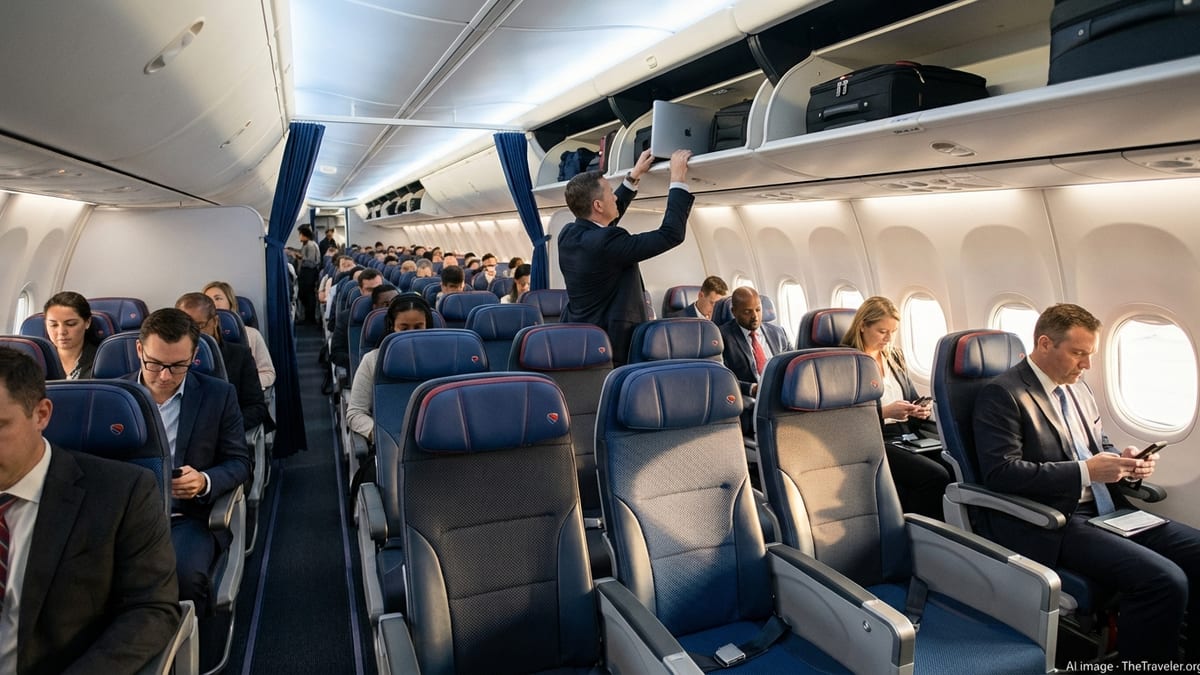
From One-Class Casual to Stratified Cabins
The Dallas-based carrier has begun one of the most significant overhauls in its history, replacing its familiar four-tier fare lineup with a new structure designed to differentiate between leisure and business needs. The new bundles, branded Choice Extra, Choice Preferred, Choice and Basic, update what were previously known as Business Select, Anytime, Wanna Get Away Plus and Wanna Get Away.
Choice Extra, sitting at the top of the new hierarchy, is aimed squarely at premium and corporate flyers. It includes the ability to select Extra Legroom seats at the front of the cabin and in exit rows, along with early boarding and enhanced onboard refreshments on many flights. Choice Preferred offers access to preferred seats closer to the front and earlier general boarding, while Choice retains some flexibility, including transferable flight credits, that appeals to small businesses and frequent regional travelers.
Basic, the new entry-level product, strips away many of the flexibilities that once defined Southwest’s brand. It delivers the lowest headline fares but brings tighter restrictions, reduced loyalty accrual and, crucially, new baggage fees. The carrier is positioning Basic as a tool to remain price-competitive on corporate contracts without extending its most generous perks to every traveler on board.
For companies, the clearer segmentation allows travel managers to steer employees into specific fare types based on trip purpose, budget and policy. High-value, last-minute business trips are being nudged toward Choice Preferred and Choice Extra, while lower-priority journeys can remain on Choice or Basic, helping firms balance cost control with traveler satisfaction.
Assigned Seating and Extra Legroom Target the Corporate Segment
Southwest’s forthcoming shift from open seating to assigned seats marks a fundamental break with the boarding process that long defined the airline. Beginning with flights scheduled for 2026, customers will reserve specific seats in advance, a change executives frame as critical for winning more corporate contracts and meeting expectations of time-sensitive business travelers.
Under the new scheme, Choice and higher fares will include complimentary seat selection, with tiers unlocking access to standard, preferred or Extra Legroom seats. Extra Legroom seating is being created in a sweeping cabin retrofit program that removes a row of seats on many Boeing 737-700 aircraft and redistributes that space into roughly 40 roomier seats per jet. The move introduces a true in-cabin stratification that Southwest had previously resisted.
For road warriors, the biggest gain is predictability. Corporate travelers accustomed to securing aisle seats near the front on legacy carriers will now be able to do the same on Southwest without relying on the boarding-position lottery. Companies that prioritize employee productivity can pay for higher bundles that virtually guarantee faster deplaning and easier access to overhead bins, benefits that matter on tight connections and dense day-trip schedules.
At the same time, the airline is promising that customers who still prefer the lowest fares will not be forced into add-ons. Basic customers will receive assigned seats during check-in rather than at booking, with the option to pay to upgrade if they want to move forward in the cabin or gain extra legroom. That approach mirrors how larger network rivals have balanced basic economy with upsell opportunities.
Fare Rules, Same-Day Changes and Baggage Shift to Reward Higher Spend
Alongside new names and seating options, Southwest is rewriting many of the rules that once made it a favorite among budget-conscious frequent flyers. Free same-day changes, which had been a coveted perk for A-List and A-List Preferred loyalty members, are being narrowed to customers booked on Choice Extra, Choice Preferred or Choice fares. Travelers holding Basic tickets, even with elite status, will generally need to pay more if they want the flexibility to adjust schedules on the day of travel.
The airline is also walking back its long-standing pledge that bags fly free for everyone. Beginning with tickets issued and changed on or after May 28, 2025, checked baggage fees will apply to Basic, Choice and Choice Preferred customers, putting Southwest closer in line with its legacy competitors. Business Select and its rebranded successor, Choice Extra, will continue to include two checked bags at no additional charge, and top-tier elite members will retain expanded allowances.
Analysts view the baggage and flexibility changes as a deliberate effort to nudge corporate programs and frequent business travelers into higher-yield fare categories. A traveler on a Basic ticket who needs a checked bag and schedule flexibility will quickly find that upgrading to Choice or above delivers both benefits and higher loyalty accrual, while also driving incremental revenue for the carrier.
For travel managers, the tightening of rules on lower fares makes policy enforcement more straightforward. Companies can standardize on Choice or higher for trips where meeting times are fluid or client demands unpredictable, while reserving Basic only for highly price-sensitive journeys where changes are unlikely. That framework brings Southwest closer to the managed-travel models already entrenched at other large U.S. airlines.
Loyalty and Corporate Tools Designed Around Business Travelers
To support its strategic pivot, Southwest is upgrading the ecosystem around its fares, particularly for organizations that book large volumes of travel. The airline has been investing in its SWABIZ portal, API and global distribution system connections, as well as a newer platform known as Southwest Business Assist, which handles proposals, tracking and reporting for meetings and corporate agreements.
On the loyalty front, the Rapid Rewards program is being recalibrated to reward higher spend and premium fare purchases. Business Select and its forthcoming Choice Extra replacement earn the most points per dollar, with lower accrual on Basic fares. Rapid Rewards Business, the airline’s company-focused earning program, lets organizations collect points on eligible bookings through approved channels and reinvest those points into future trips.
Southwest is also layering in new perks for co-branded credit card holders and elite members, including enhanced bag benefits and earlier access to seating and boarding privileges tied to the new fare names. For frequent corporate travelers who combine employer-paid tickets with personal card spending, the stack of rewards and benefits is being positioned as a compelling reason to consolidate more of their flying with the airline, even as rules tighten around its cheapest fares.
Industry observers note that these moves are unfolding under pressure from activist investors demanding higher revenue and profitability. That dynamic further explains why the most generous benefits are increasingly clustered at the top of the fare chart, where corporate contracts and last-minute bookings live.
Balancing Value Proposition With a New Premium Edge
The challenge for Southwest will be to preserve its reputation for value and simplicity while introducing the kind of fare complexity and cabin hierarchy it long criticized in rivals. Executives have emphasized that, despite bag fees and more restrictive entry-level tickets, the carrier still intends to offer comparatively low fares, friendly service and transparent pricing.
For corporate travel buyers, the emerging picture is of an airline that finally offers many of the features they have requested for years: confirmed seat assignments, extra legroom, clear priority tiers and robust booking tools. Those additions may make Southwest more competitive for contracts with large companies that previously leaned toward legacy carriers for their premium cabins and perks.
Yet some long-time customers worry the airline is drifting too far from the straightforward, egalitarian experience that once set it apart. The ultimate verdict will hinge on execution: whether the new premium seats work smoothly, whether assigned seating integrates cleanly with Southwest’s fast boarding process and whether corporate travelers see enough incremental value to justify paying more for Choice Preferred and Choice Extra on a sustained basis.
As the new fare bundles roll out and aircraft retrofits accelerate into 2025 and 2026, business travelers will have a front-row seat to see how well Southwest’s evolution aligns with their changing expectations.