

More news on this day
Southwest Airlines is adding new nonstop service between San Diego and Puerto Vallarta, positioning the Southern California city alongside Dallas, Houston, Denver, San Francisco and Chicago as U.S. gateways feeding a sustained leisure travel surge to Mexico’s Pacific coast.
Get the latest news straight to your inbox!
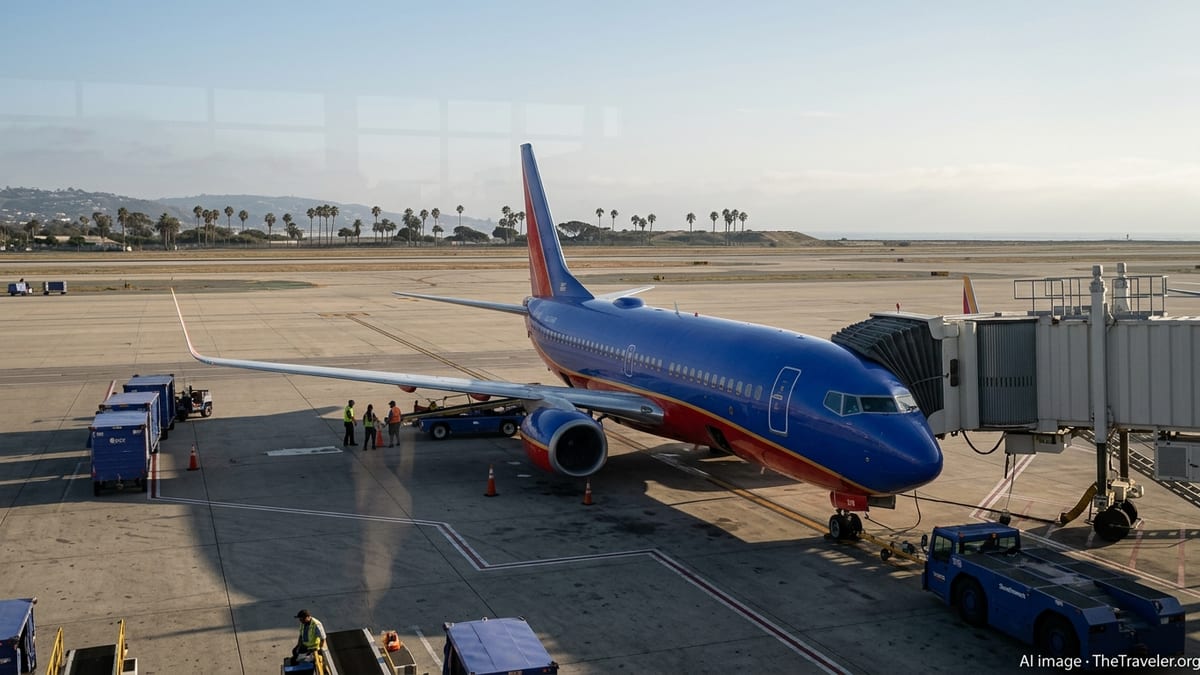
San Diego Becomes New Gateway to Puerto Vallarta
Publicly available schedule data and airport planning documents indicate that Southwest will operate the San Diego to Puerto Vallarta route with Boeing 737-700 aircraft, adding another nonstop option from the U.S. West Coast to the busy resort city. The move places San Diego among a growing roster of Southwest cities with direct links to Puerto Vallarta, complementing existing services from major bases including Dallas, Houston, Denver, San Francisco and Chicago.
The new link further elevates San Diego International Airport’s profile as a leisure departure point, particularly for travelers seeking quick access to Mexico’s Pacific beaches. Flight times are expected to be under three hours, making weekend and short-break trips to Puerto Vallarta more attainable for Southern California residents and connecting passengers from other Southwest markets.
Industry observers note that the expansion fits with Southwest’s broader network strategy, which emphasizes high-frequency service from key domestic airports to popular sun destinations. By adding Puerto Vallarta from San Diego, the carrier is broadening choices for travelers who may already rely on the airline for domestic itineraries up and down the West Coast and into the Mountain West.
737-700 Deployment Targets Leisure Demand
The decision to deploy Boeing 737-700 aircraft on the San Diego–Puerto Vallarta route reflects Southwest’s continued reliance on the type for short- and medium-haul flying. Fleet information published for the airline shows that it continues to operate one of the world’s largest 737-700 fleets, even as newer 737 variants are introduced on longer and higher-capacity routes.
The 737-700 offers a balance of range and seat count that suits leisure-heavy markets such as Puerto Vallarta, where demand often peaks around holidays and school vacation periods. The aircraft’s size allows the airline to adjust capacity efficiently, keeping flights viable in shoulder seasons while still providing ample seats during peak winter and spring travel periods.
Aviation analysts also highlight that using a single family of aircraft can simplify operations and maintenance, which is central to Southwest’s business model. As Mexico routes grow in number and frequency, operating common equipment across U.S. and international segments is seen as a way to control costs while maintaining schedule flexibility.
Mexico Leisure Travel From the U.S. Continues to Surge
The San Diego–Puerto Vallarta addition arrives amid sustained strength in U.S. outbound travel to Mexico’s resort regions. Government tourism statistics and airline schedule data show that passenger volumes to coastal destinations such as Puerto Vallarta, Los Cabos and Cancún have remained robust, supported by strong demand for beach vacations and relatively straightforward entry requirements for U.S. visitors.
Carriers from the United States and Mexico have steadily added capacity to vacation markets over the past several seasons, with more nonstop city pairs, additional frequencies and larger aircraft on key routes. Puerto Vallarta in particular has benefited from increased service from major U.S. hubs, widening the range of one-stop and nonstop options available to travelers nationwide.
Analysts point to several factors underpinning the trend, including a strong U.S. dollar in recent years, the appeal of all-inclusive resorts, and the continued popularity of shorter-haul international trips that do not require long transatlantic or transpacific flights. Against that backdrop, Southwest’s decision to add another U.S. gateway to Puerto Vallarta aligns with ongoing competitive positioning in the Mexico leisure market.
Network Effects for Dallas, Houston, Denver, San Francisco and Chicago
Southwest’s established Puerto Vallarta routes from cities such as Dallas, Houston, Denver, San Francisco and Chicago provide the backbone of the airline’s Mexico leisure network. These airports function as major connecting points, allowing travelers from smaller U.S. markets to reach Puerto Vallarta with a single connection while remaining within the Southwest system.
By adding San Diego to that lineup, the airline increases its ability to redistribute demand across the network and respond to seasonal patterns. Travelers who previously connected through Texas or the Midwest for Pacific coast beach vacations may now have a shorter or more direct routing via Southern California, depending on origin and schedule.
Industry reporting indicates that competition on Mexico routes remains intense, with U.S. legacy carriers and Mexican airlines all vying for market share in key resort cities. Additional capacity from Southwest can influence pricing and scheduling decisions by rivals, while also reinforcing the carrier’s position in its core cities, where loyal customers increasingly expect international leisure options alongside domestic coverage.
Implications for San Diego and Puerto Vallarta Tourism
Tourism stakeholders in both San Diego and Puerto Vallarta are expected to benefit from the new service. For San Diego, additional international connectivity enhances the airport’s overall appeal, supporting its role as a convenient gateway for Southern California residents and visitors who may pair domestic stays with side trips to Mexico’s coast.
For Puerto Vallarta, added seats from another large U.S. origin feed into a tourism economy that has become highly reliant on airlift. Hotel operators, tour companies and local businesses closely track airline capacity, viewing new or expanded routes as indicators of potential visitor growth during upcoming seasons.
Travel advisors and booking platforms are already highlighting increased choice to Mexico for U.S. travelers, and the San Diego–Puerto Vallarta route is likely to feature prominently for those seeking a relatively short flight to warm-weather resorts. As airlines continue to refine their networks ahead of peak travel periods, the route underscores how Mexico remains central to leisure planning for many Americans.