

More news on this day
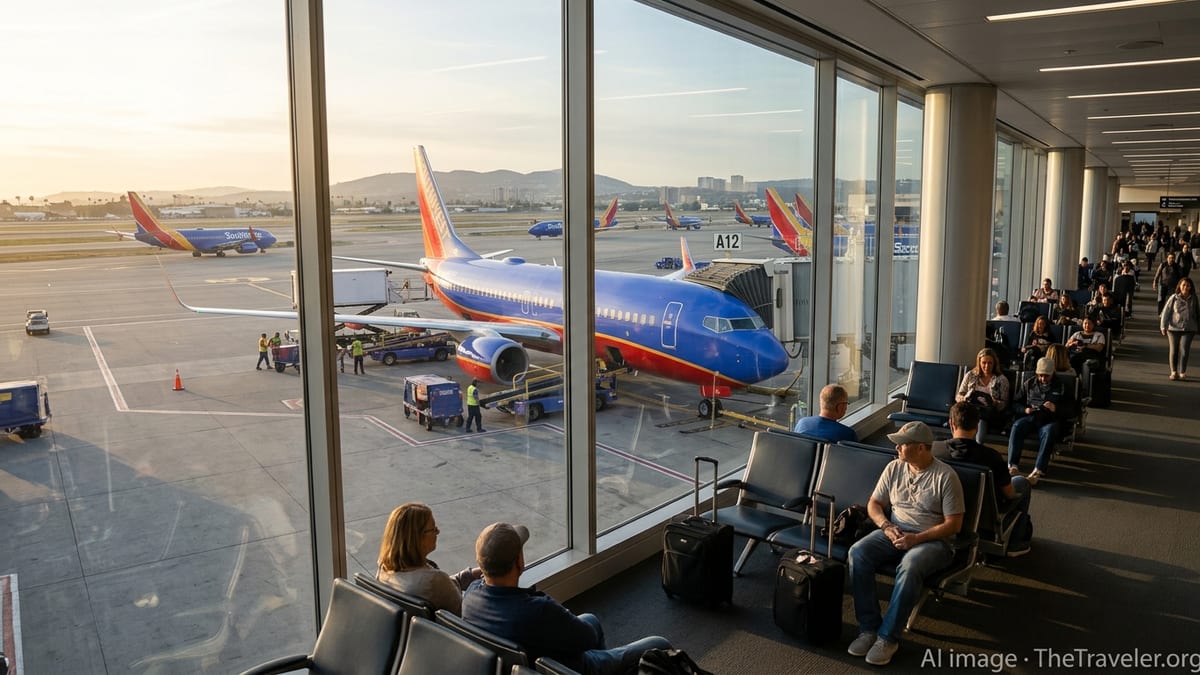
Southwest Airlines is set to expand its spring schedule with 42 new nonstop flights across its network, focusing on leisure travelers headed for beach, mountain and city break destinations during one of the busiest travel periods of the year.
Get the latest news straight to your inbox!
New Spring Emphasis on Sun and Leisure Markets
According to published coverage of the airline’s latest schedule extensions for late winter and early spring, Southwest is concentrating much of its new nonstop capacity on warm-weather and leisure-focused destinations. The 42 new flights, rolling out primarily in early March, target spring break demand patterns that have remained resilient even as some business travel corridors lag pre-pandemic levels.
Publicly available information indicates that new and returning routes link midcontinent cities with coastal and resort airports, particularly in Florida, Mexico and the Caribbean. The strategy follows several recent schedule rounds that have progressively shifted Southwest’s network mix toward discretionary travelers seeking short getaways rather than traditional Monday-to-Thursday business trips.
Industry analysts note that spring remains one of Southwest’s strongest revenue windows, with the airline historically favoring point-to-point leisure markets that can fill aircraft at competitive fares. By bundling dozens of route launches into a tight early March window, the carrier is positioning itself to capture peak demand from families, college travelers and remote workers planning longer seasonal stays.
International Gateways: Nashville and Sacramento See New Links
Public schedule data and industry reports show that Nashville and Sacramento play an outsized role in Southwest’s latest wave of spring flying. From Nashville, new weekly international service expands nonstop options to popular resort destinations including Cabo San Lucas and Punta Cana, complementing existing links to other Mexican beach gateways. The flights are timed to match weekend leisure patterns, with most new service concentrated on Saturdays.
On the West Coast, Sacramento is gaining new international connectivity as well, with Southwest adding nonstop Saturday service to Puerto Vallarta alongside additional domestic options. This deepens the carrier’s presence in Northern California’s leisure market, giving Sacramento-area travelers more choices that previously required a connection through larger coastal hubs.
Observers note that these additions further diversify Southwest’s international portfolio, which has grown steadily in recent years from a primarily domestic operation into a network that now spans Mexico, Central America and the Caribbean. Although international flights still represent a relatively modest share of its schedule, the concentration of new spring routes in sun-and-sand markets underscores the carrier’s focus on high-demand, short- to medium-haul holiday travel.
Domestic Growth from Austin, Milwaukee and Knoxville
Several midcontinent cities are emerging as winners in Southwest’s spring route refresh. In Austin, reports indicate the airline will layer in new seasonal nonstops to popular leisure destinations, adding to that airport’s rapid growth as both a technology hub and a spring break gateway. New links to Florida beaches and mountain destinations reflect the varied travel patterns of the region’s expanding population.
Milwaukee is also seeing expanded service as Southwest stretches its nonstop map deeper into both coasts. Local airport updates describe additional nonstop options that include new links to key Southwest focus cities and added service on existing routes. These changes collectively give Milwaukee-based travelers more one-stop access across the network and broaden the airport’s appeal as a convenient alternative to larger regional hubs.
In the Southeast, Knoxville stands out as a newer addition to the Southwest network with multiple nonstop routes ramping up around early March. Published summaries of the airline’s plan describe four nonstop links for Knoxville’s McGhee Tyson Airport, tailored around seasonal flows tied to tourism, university travel and regional leisure demand. For Southwest, this type of mid-sized market offers the chance to build a loyal customer base with a focused but meaningful schedule anchored around peak periods such as spring break.
San Diego and Love Field Anchor the West and Central Networks
San Diego continues to feature prominently in Southwest’s broader expansion narrative. With a new terminal project progressing at the airport, the airline has steadily added routes and frequencies that turn San Diego into one of its key connecting points on the West Coast. Spring schedule updates restore and expand several seasonal services while pushing departure counts to record levels for the carrier at the airport.
Industry reporting also highlights new and expanded longer-haul routes from San Diego, deepening ties to major markets across the United States and bolstering the city’s role as a bridge between the Pacific Coast and interior states. For spring travelers, the result is a denser web of nonstops that reduces the need for connections through traditional hubs further north.
From its long-time home base at Dallas Love Field, Southwest is set to add fresh spring flying as well, including new nonstops to Oklahoma City and additional service to major coastal markets such as San Francisco. These moves help sustain Love Field’s position as one of the airline’s core backbone stations, feeding both business and leisure traffic while working within longstanding capacity constraints at the airport.
Strategic Use of One-Off Nonstops and Event Flying
Alongside regularly scheduled new routes, Southwest is again leaning on one-off and limited-run nonstop flights tailored to specific events. Earlier schedule announcements for the current travel year highlighted a separate package of 42 special nonstops tied to major football games, designed to shuttle fans directly between their home cities and selected host markets without connections.
Analysts view this targeted event flying as a template for how the airline can use temporary nonstops to complement core routes during peak demand moments. While those earlier sports-focused flights are distinct from the latest crop of spring break additions, the common thread is Southwest’s willingness to deploy aircraft flexibly, matching capacity to short bursts of demand.
Publicly available filings and network summaries indicate that this strategy is likely to continue as the airline balances structural additions, such as new international gateways and focus-city growth, with tactical moves aimed at maximizing aircraft utilization. For travelers, the near-term effect is clear: more opportunities this spring to reach popular vacation markets on a single Southwest flight, often from cities that previously required a change of planes.