

More news on this day
A Southwest Airlines captain marked his retirement with a poignant final flight recently, sharing the cockpit with his first officer son in a multigenerational milestone that captured widespread attention from passengers and aviation enthusiasts.
Get the latest news straight to your inbox!
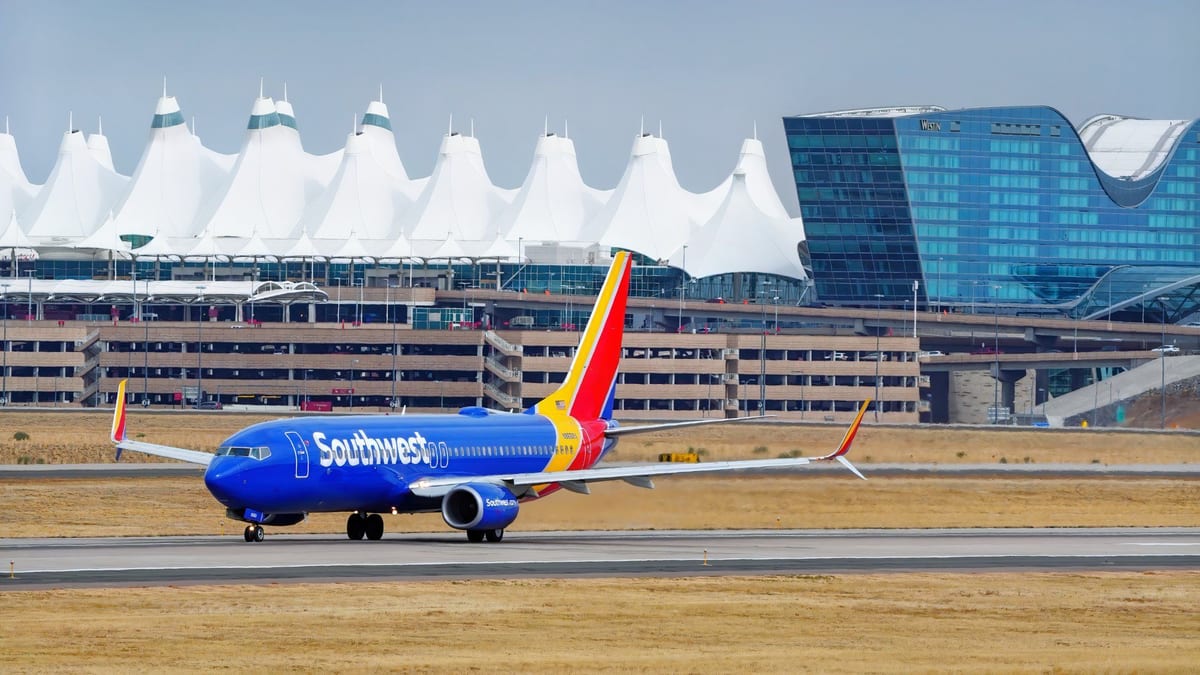
Image by Simple Flying
A Family Milestone at 35,000 Feet
According to published coverage and social media posts from travelers onboard, the father and son team operated a regularly scheduled Southwest Airlines flight that doubled as the captain’s ceremonial farewell to commercial aviation. The pair completed the journey uneventfully, but the significance of the moment resonated far beyond the routine checklist items and standard passenger announcements.
Publicly available information indicates that the airline marked the occasion in traditional fashion, with crew members acknowledging the captain’s years of service and the rare opportunity to share a final operating flight with a direct family member. Photos and short video clips circulating online show the pair in the cockpit together, with the son occupying the right seat as first officer for his father’s last trip as pilot in command.
Scenes from the gate area, cabin and arrival airport suggest that fellow crew, ground staff and passengers joined an informal celebration, offering applause as the captain disembarked for the final time in uniform. For many travelers, it was an unscripted glimpse into the human stories that play out behind the flight deck door every day.
The retirement flight added a new chapter to Southwest’s long history of family connections in the cockpit and cabin, where siblings, spouses, parents and children frequently build overlapping careers across the network. This particular pairing, with a son serving as first officer on his father’s last flight, underscored how aviation careers can span generations.
Tradition of Celebrated Retirement Flights
Reports indicate that the captain’s farewell journey followed a familiar pattern for U.S. airlines, where final flights often become symbolic bookends to decades of service. At many carriers, colleagues and family arrange to be onboard, water-cannon salutes are coordinated when operationally feasible, and gate celebrations mark the end of an aviator’s time on the line.
Southwest has frequently featured such milestones in its own internal communications, highlighting pilots who close out careers surrounded by family members who also work for the company. In those profiles, retirement flights are often described as an emotional blend of routine professional duty and deeply personal reflection.
In this latest case, the captain’s final flight with a first officer son fits into a wider pattern in commercial aviation, where parent-child cockpit pairings on retirement legs periodically surface across different airlines. Published coverage from North American and international carriers has documented similar moments, such as fathers handing over the controls to sons or daughters on closing sectors, or retired pilots riding in the jumpseat while younger relatives operate the aircraft.
Industry observers note that these events draw attention not because of unusual routes or rare aircraft types, but because they place a spotlight on continuity, mentorship and the passage of experience from one generation to the next at a time when airlines are focused on building long-term pilot pipelines.
Generational Careers in the Southwest Cockpit
Publicly available company stories and union publications show that Southwest has long attracted families who build parallel flying careers, including multiple siblings who become captains and parents whose children later join as first officers. The retirement flight involving a captain and his son as first officer illustrates how those family ties can converge in a single cockpit.
According to profiles previously shared by the airline and pilot groups, some Southwest pilots grew up watching parents commute in uniform, visit cockpits on layovers and attend base events, experiences that often planted early interest in aviation. By the time those children reach hiring age, they bring both formal flight training and an informal education shaped by hearing about line operations at home.
While airlines maintain strict seniority and qualification rules governing who occupies each seat, family members who work for the same carrier can sometimes bid or trade trips to fly together when schedules and operational needs align. Retirement flights are among the rare moments when those efforts are most visible, as relatives request to share a cockpit one last time before mandatory age limits or personal decisions bring a career to a close.
For passengers, these family crews can turn an otherwise ordinary domestic segment into a story worth retelling, particularly when announcements mention the relationship between pilots or when travelers witness celebratory moments at the gate on arrival.
Symbolism for a Changing Pilot Workforce
The timing of the Southwest retirement flight with a first officer son comes as the industry continues to focus on recruiting, training and retaining pilots amid long-term demand forecasts. Aviation analysts point out that stories of multigenerational crews illustrate both continuity and change within the profession.
On one hand, a captain concluding a decades-long career alongside a son just beginning his own journey represents the enduring appeal of flying as a lifetime vocation. On the other, it highlights how newer pilots are entering a landscape shaped by evolving training pathways, technological advances in the cockpit and shifting expectations around work-life balance.
Reports from pilot associations and training organizations indicate that aspiring aviators today have access to structured university programs, regional partnerships and pathway agreements that did not exist when many retiring captains first joined the industry. Yet, the fundamental attraction of operating complex aircraft and connecting people across vast distances continues to draw interest from younger generations, including the children of veteran pilots.
Within this context, a retirement flight shared between a Southwest captain and his first officer son stands out as both a personal family celebration and a visible symbol of how aviation knowledge and passion are passed down, even as the profession adapts to new realities.
Passenger Reactions and Lasting Memories
Travelers on the retirement flight have described, through public social media posts, a sense of surprise and appreciation as they learned about the family connection over the public-address system or through conversations with cabin crew. Some accounts reference spontaneous applause at the end of the flight and a brief pause by passengers to allow the retiring captain’s family to gather near the aircraft door.
Photos shared online show the captain posing with his son on the jet bridge and in front of the aircraft, images that quickly circulated among aviation-focused accounts and were then picked up by mainstream news outlets. The scene echoes previous instances in which passengers documented emotional farewells for pilots and flight attendants, underscoring how quickly such moments can reach a global audience.
For the family involved, the flight likely represented a culmination of years spent accommodating irregular schedules, early-morning departures and nights away from home, all familiar aspects of airline life. For the son, now progressing through his own first officer career, the event provided a rare opportunity to see his father’s achievements recognized in real time from the other seat on the flight deck.
As airlines and airports continue to move millions of passengers each day, most flights unfold as quietly efficient operations. The Southwest retirement leg featuring a captain and his first officer son offered a reminder that beneath that routine are careers, families and personal milestones that occasionally intersect in ways that capture the imagination of everyone onboard.