

More news on this day
Thousands of Southwest Airlines passengers across the United States faced hours-long waits and missed connections on April 3 as more than 1,000 delays and at least 16 cancellations rippled through major airports from Chicago and New York to Los Angeles and other key hubs.
Get the latest news straight to your inbox!
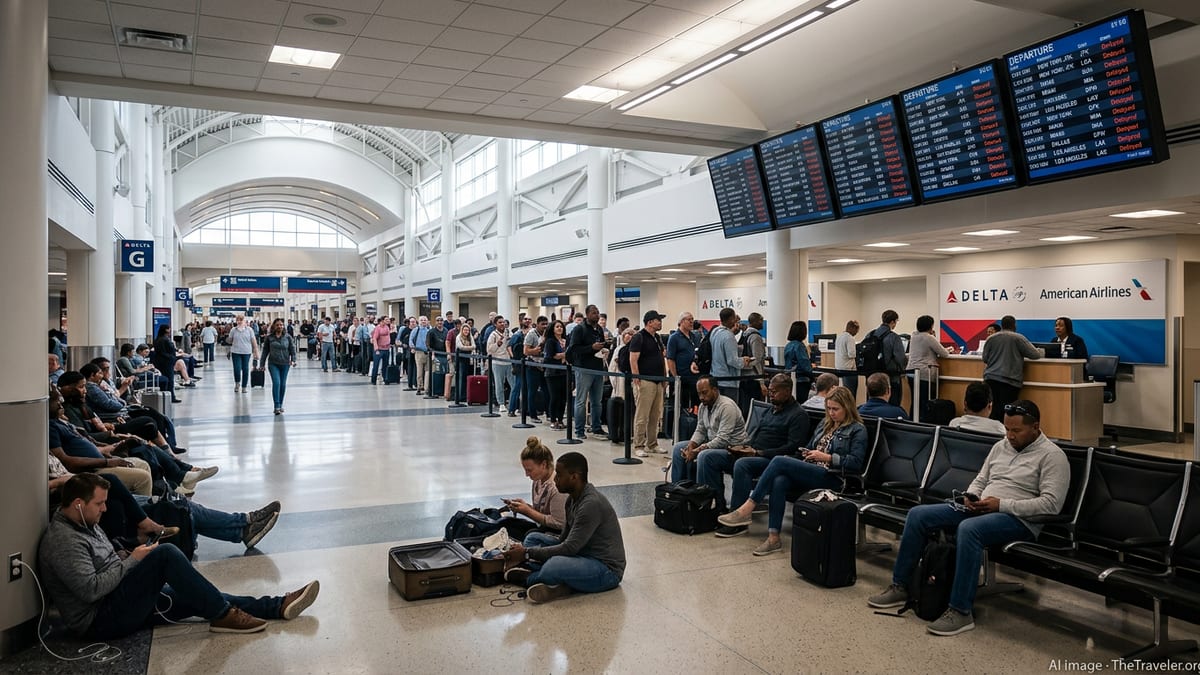
Widespread Operational Disruptions Across the Network
Flight-tracking data and airport status boards on April 3 showed Southwest operating with elevated disruption levels, with more than 1,000 flights running late and at least 16 cancellations recorded across its domestic network. The disruptions affected both early-morning departures and peak-day operations, creating a rolling backlog that extended into the evening at some airports.
Publicly available information indicates that the heaviest impacts were felt at large Southwest bases and focus cities, where dense schedules make it harder to recover when delays cascade. Chicago Midway, Los Angeles International, and New York area airports reported clusters of late departures and arrivals that complicated connections for travelers attempting to move between the Midwest, East Coast, and West Coast on the same day.
Although overall US air traffic has been influenced in recent weeks by bouts of severe spring weather and tight staffing at several carriers, the concentration of delays on Southwest on April 3 stood out in flight-status feeds, with the airline’s distinctive point-to-point network amplifying the knock-on effects from each disruption.
The delays came at a time when domestic travel demand remains strong heading into the spring and summer seasons, leaving fewer open seats on alternative flights and making same-day rebooking difficult for many stranded passengers.
Major Hubs Hit: Chicago, New York, Los Angeles and Beyond
In Chicago, travelers at Midway International Airport encountered clusters of late Southwest departures, with ripple effects on routes to cities such as Pittsburgh, Denver, and destinations in Florida. Recent performance data from Midway already showed extended average delays on some Southwest routes, and the April 3 disruption added further strain to one of the carrier’s most important hubs.
New York area travelers also faced a day of uncertainty. Reports from LaGuardia and other regional airports indicated a mix of rolling delays and a smaller number of cancellations, affecting flights that connect through Midwest and Southern hubs. Passengers attempting to route through New York to secondary cities in the Midwest and Southeast reported disruptions that stretched into the afternoon.
On the West Coast, Los Angeles International Airport saw a series of delayed Southwest services to Chicago and other central and western destinations. Historical flight-tracking records for recent days show that LAX-to-Midway routes have been operating under tight turnaround schedules, leaving little margin when inbound aircraft or crews arrive behind schedule.
Smaller and mid-sized airports that rely heavily on Southwest for connectivity also experienced repercussions. When aircraft and crews are delayed out of large hubs, secondary stations can quickly face schedule gaps, leaving travelers with limited same-day alternatives and longer minimum connection times.
Passengers Scramble for Alternatives and Information
As delays accumulated on April 3, travelers turned to airline apps, airport displays, and third-party flight-tracking tools to piece together what was happening to their itineraries. Guidance published by aviation and consumer-travel outlets in recent weeks has emphasized that official apps can lag behind real-time operational decisions by several minutes, encouraging passengers to monitor gate announcements and refresh status updates frequently.
Because Southwest operates a large number of short- and medium-haul segments, disrupted travelers often rely on tight connections to reach their final destinations. When earlier flights from cities like Chicago or Los Angeles left late, passengers heading onward to smaller markets were at heightened risk of missed connections, overnight stays, or unexpected re-routings through alternative hubs.
In social media posts and online forums, some passengers described long lines at customer-service counters and busy phone queues as they sought hotel vouchers or new itineraries. Others detailed choosing to purchase last-minute tickets on other carriers rather than wait for the next available Southwest departure, reflecting the limited spare capacity on many popular domestic routes.
Travel-advisory resources have increasingly urged passengers to build more buffer time into itineraries during peak seasons, especially when connecting through airports that have recently experienced weather-related backlogs, staffing constraints, or schedule reductions.
Recent Context: Weather Pressures and Network Strain
The April 3 disruptions for Southwest come against a broader backdrop of strain across the US aviation system. March brought several rounds of strong storms that triggered thousands of cancellations and delays nationwide, affecting multiple airlines and putting both crews and aircraft out of position for subsequent days. Those weather events particularly affected large hub airports in the Midwest and along the East Coast.
Travel-industry reporting from March noted that severe storms led to widespread ground stops and delay programs at key hubs, including in Chicago and New York. Those episodes underscored how quickly bad weather in one region can spread disruption across the country when aircraft and crew rotations are tightly scheduled.
Southwest, which has a large presence at Chicago Midway and serves numerous secondary and leisure destinations from major cities, is especially sensitive to cascading disruptions when its mid-continent operations are hit. A delay or cancellation out of a major base can quickly remove capacity from multiple follow-on flights, compounding problems later in the day as aircraft fail to reach their next scheduled stations on time.
At the same time, industry observers have continued to scrutinize airline scheduling practices and technological resilience following high-profile disruption events in recent years. Recent legal and regulatory coverage has highlighted ongoing debates over how carriers plan for peak demand, manage irregular operations, and communicate with passengers when things go wrong.
What Travelers Can Do as Disruptions Continue
With delays affecting more than 1,000 Southwest flights on April 3 and cancellations reaching at least 16, travel specialists point to several steps passengers can take when planning upcoming trips during a volatile period for US aviation. Publicly available guidance generally emphasizes booking earlier departures when possible, allowing longer connection windows, and closely monitoring weather forecasts for both origin and connecting airports.
Consumer advocates also encourage travelers to download airline apps, sign up for text alerts, and consider using independent flight-status tools to get a fuller view of network conditions. While no system can eliminate disruption risk, having multiple sources of information can help passengers make quicker decisions about rebooking, alternative routing, or overnight stays when schedules begin to unravel.
Some experts additionally recommend that travelers review fare rules and travel insurance coverage before departure, particularly for complex itineraries that involve tight same-day connections or important time-sensitive events at the destination. Understanding what compensation or accommodation may be available in the event of significant delays or cancellations can reduce stress when disruptions occur.
As Southwest works through the latest wave of operational challenges, April 3 serves as another reminder that US domestic flying remains vulnerable to a combination of weather shocks, high demand, and tight schedules. For passengers in Chicago, New York, Los Angeles, and beyond, flexibility and preparation continue to be key defenses against an increasingly unpredictable travel landscape.