

More news on this day
A wave of indefinite strike action by ground handling staff at some of Spain’s busiest airports, including Madrid-Barajas, Barcelona-El Prat and key holiday gateways, is expected to disrupt flights during the peak Easter travel period.
Get the latest news straight to your inbox!
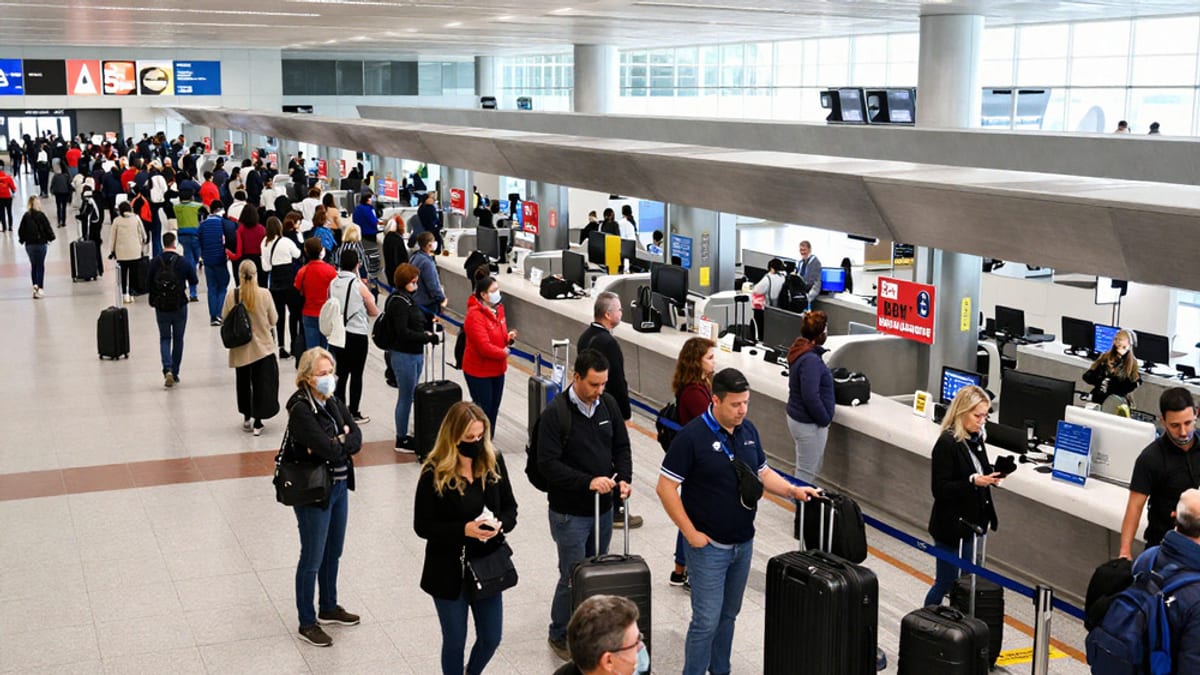
Image by Global Travel Alerts, Advisories, International Travel Alerts
Network-wide strike extends to Madrid-Barajas
The latest strike call centers on Groundforce, a major ground handling company that provides check-in, baggage and ramp services at airports across the Aena network. Union announcements and local media reports indicate that an indefinite strike is scheduled to begin on Monday 30 March, coinciding with one of the busiest outbound days of the Easter holiday season.
The action now covers Adolfo Suárez Madrid-Barajas, Spain’s main international hub, alongside Barcelona-El Prat, Palma de Mallorca, Málaga-Costa del Sol, Alicante-Elche, Valencia, Ibiza, Gran Canaria, Lanzarote, Fuerteventura, Bilbao and Las Palmas. These airports collectively handle tens of millions of passengers each year, and March and early April are traditionally intense weeks for leisure and family travel.
The dispute stems from a breakdown in negotiations over pay and conditions. Union statements accuse the company of failing to apply wage updates linked to recent inflation and of interpreting key provisions of the existing collective agreement in a way that reduces purchasing power for staff. Groundforce, part of the Globalia group, has not publicly detailed its negotiating position in recent days, but the stand off has persisted long enough to trigger widespread Easter travel concerns.
The strike is structured as partial work stoppages rather than a full 24 hour shutdown. According to published union timetables, staff are called to stop work in three daily blocks, typically early morning, midday to late afternoon and late evening. This format maximizes pressure on operations at peak check in and turnaround times while technically remaining within minimum service obligations set for essential transport services in Spain.
Which airports and services are most likely to be affected
The airports singled out in the Groundforce dispute include many of Spain’s main tourist gateways from northern Europe and Ireland, increasing the risk of disruption for holidaymakers heading to the sun for Semana Santa and early spring breaks. Barcelona-El Prat, Palma de Mallorca, Málaga-Costa del Sol, Alicante-Elche, Valencia, Ibiza, Gran Canaria and Lanzarote all feature prominently in tour operator and low cost carrier schedules at this time of year.
At Madrid-Barajas, the impact could be more complex, affecting not only point to point leisure routes but also long haul connections for airlines that rely on Groundforce for baggage and ramp services. Even where flights are not canceled outright, delayed baggage loading and aircraft turnarounds can cascade through the day’s operations, leading to missed connections and schedule changes for passengers transiting through Madrid.
Travel industry coverage indicates that additional handling company disputes may overlap with the Groundforce action at several Aena airports. Menzies Aviation, another major handling provider in Spain, has also been involved in recent labor conflicts related to workload and staffing, with strikes scheduled around the same Easter window at some airports such as Barcelona, Palma, Málaga, Alicante, Gran Canaria and Tenerife South. The combination of overlapping disputes increases operational fragility during an already busy season.
Despite this, not every flight at the affected airports will necessarily face disruption. Some airlines use different handling companies or rely on in house ground operations, and Spanish regulations require minimum service levels to maintain a basic flight offering. However, passengers can expect longer queues at check in and bag drop, slower boarding and potential delays in baggage delivery at arrival belts where Groundforce is the main contractor.
Timing of the strike and expected disruption patterns
The start date of Monday 30 March is significant because it falls at the heart of the Easter travel rush in Spain, immediately after the first big weekend of departures and just before many return journeys. Ground handling stoppages during this period have the potential to affect both outbound holidaymakers leaving northern Europe and inbound passengers returning home from Spanish resorts.
The partial strikes are planned in three time bands that align with classic peak flows at leisure focused airports. Early morning stoppages interfere with the wave of first departures to European cities and resort destinations. The long midday and afternoon window hits the busiest period for arrivals and turnarounds, while the late evening slot can disrupt the final bank of flights returning aircraft to their overnight bases.
Operational data from previous years shows that many of the named airports regularly rank among Spain’s busiest. Madrid-Barajas and Barcelona-El Prat typically top national passenger and movement statistics, with Palma de Mallorca, Málaga, Gran Canaria, Alicante and Lanzarote also handling substantial seasonal traffic. Any slowdown in ground services at these locations tends to generate knock on effects beyond Spain, especially on high frequency routes to the United Kingdom, Ireland, Germany and the Nordic countries.
Weather and air traffic factors could further complicate the picture. Recent bulletins have pointed to strong wind alerts around parts of the Iberian Peninsula and the Balearic and Canary Islands, adding another variable to airport operations. Even modest schedule adjustments prompted by meteorological conditions may become more challenging to manage when ground staffing is reduced or working intermittently due to strike action.
What airlines and travelers are being advised to do
Airlines serving Spain are already adjusting their contingency plans, drawing on standard playbooks for industrial action at key bases. Publicly available notices urge passengers traveling from the affected airports between late March and early April to check their flight status regularly, arrive earlier than usual at the airport and travel with more flexible arrangements where possible.
Carriers with large Spanish operations, including low cost and leisure airlines that depend heavily on Groundforce at tourist gateways, have started to issue travel advisories for customers originating in markets such as Ireland, the United Kingdom and Germany. Some are offering limited free rebooking or the option to move travel dates when strikes are expected to have the greatest impact, particularly on the busiest Easter days.
Passengers are being encouraged to keep hand luggage within cabin limits to reduce reliance on checked baggage, which is handled directly by the striking workforce. Travelers with tight connections at Madrid-Barajas or Barcelona-El Prat are also being advised through consumer and aviation watchdog channels to allow extra time or consider earlier flights to avoid missed onward journeys.
Travel insurance policies may provide some protection for delays and missed connections linked to strikes, but coverage conditions can vary significantly. Consumer organizations in Spain and abroad are recommending that travelers review policy wording carefully, retain documentation of any disruption and be aware of air passenger rights regulations that may apply if flights are canceled or heavily delayed.
Practical tips for minimizing disruption at Spanish airports
For those who cannot postpone or reroute their trips, practical steps can help mitigate the impact of the strikes. Arriving at the airport well ahead of normal guidance remains a core recommendation, especially at peak times covered by the partial stoppages. Earlier arrival increases the chance of clearing check in and security before queues lengthen, even if baggage loading is slower than usual.
Where airlines and fare types permit, travelers may benefit from checking in online, printing boarding passes or downloading them to mobile devices and traveling with carry on luggage only. Reducing dependence on staffed counters and baggage belts can significantly streamline the journey when ground handling resources are constrained.
Monitoring airport and airline information channels on the day of travel is also important. While flight status boards and public announcements will reflect the immediate situation at each airport, many carriers now update delay and cancellation information through mobile apps and email alerts. Keeping contact details up to date in existing bookings improves the chance of receiving timely notifications about any changes.
Finally, passengers with special assistance needs or traveling with young children should allow extra time and confirm arrangements in advance, as staff who provide mobility or boarding support may also be affected by the industrial action. Planning for possible queues, carrying essential items in hand luggage and maintaining flexibility around transfers or onward rail and bus connections can help travelers navigate Spain’s airports during this period of heightened disruption.