

More news on this day
UK holidaymakers planning to flock to Spain for Easter 2026 are being urged to brace for potential disruption, as industrial action at Spanish airports converges with surging demand and tight staffing across one of Europe’s busiest holiday corridors.
Get the latest news straight to your inbox!
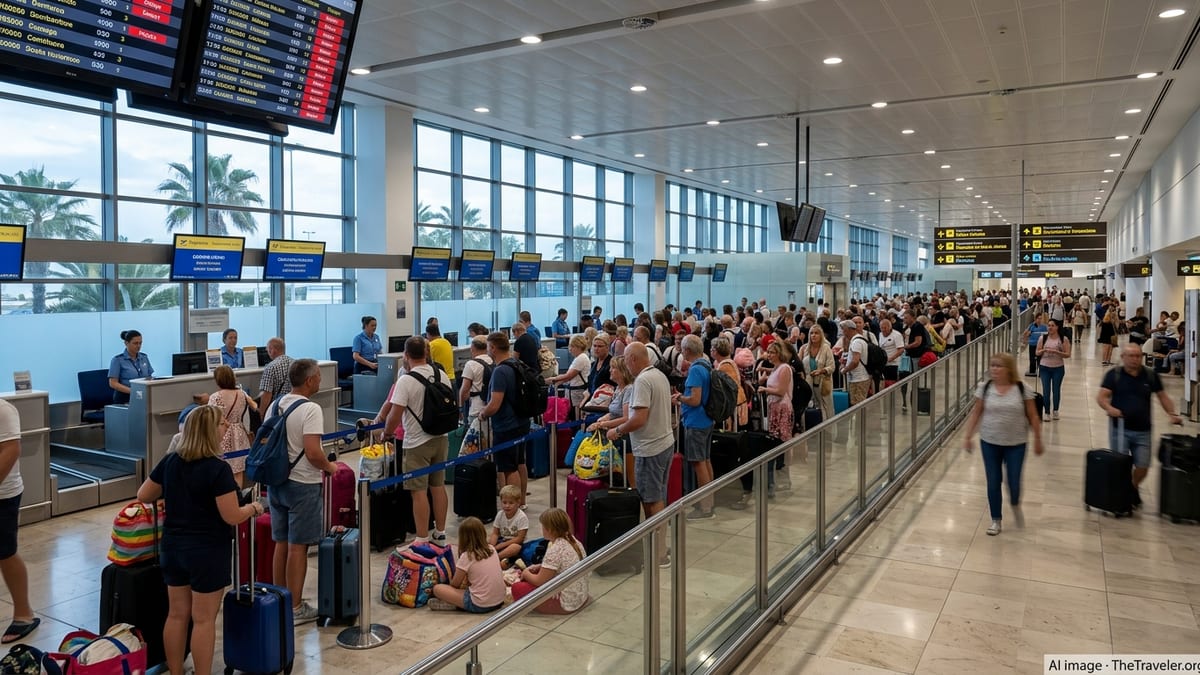
Easter 2026: High Demand Meets Renewed Strike Threats
Easter Week in 2026 runs from Sunday 29 March to Sunday 5 April, a traditional peak for British travellers heading to Spain’s beaches and cities. Industry data and tourism forecasts suggest Spain is set to receive particularly strong UK demand this year, with British bookings rising as travellers divert from Middle Eastern destinations affected by ongoing conflict and uncertainty.
Travel trade reports indicate that UK tour operators have seen a double-digit jump in Easter reservations for Spanish resorts, especially along the Costa del Sol, Costa Blanca and Balearic Islands. Airlines have added capacity from UK airports into Málaga, Alicante, Palma de Mallorca and the Canary Islands to capture this shifting demand.
At the same time, Spain’s aviation sector is entering the holiday period with a recent history of labour unrest. Baggage handlers, security contractors and ground staff at various airports have staged walkouts and work-to-rule actions over the past two years, often timed to coincide with busy travel windows including Easter, summer and Christmas.
Although the precise scope of Easter 2026 strike dates is still evolving, travel alerts and consumer forums have begun flagging fresh calls for action among airport workers in Spain. Publicly available union communications point to ongoing disputes over pay, rosters and staffing levels that could spill into the Semana Santa period.
Which Spanish Airports Are Most Exposed for UK Travellers
For UK visitors, the greatest potential impact is focused on the Spanish airports that handle the bulk of point-to-point holiday traffic. Málaga-Costa del Sol, Alicante-Elche Miguel Hernández, Palma de Mallorca, Barcelona-El Prat and the Canary Islands gateways such as Tenerife South and Gran Canaria are among the busiest for direct UK services.
Recent seasons have shown how even limited industrial action can rapidly disrupt operations at these hubs. In previous Easter periods, work-to-rule campaigns by private security contractors in Palma de Mallorca led to long queues at security screening, while strikes by baggage handling staff at multiple airports in mainland Spain affected luggage delivery and turnaround times for airlines.
Operational planning for spring 2026 is also being complicated by infrastructure works. At Alicante-Elche Miguel Hernández Airport, for example, overnight runway closures throughout March for maintenance and expansion works have already prompted schedule changes and consolidations on some late-night services from the UK and other European markets. Operators framed these closures as a way to compress works ahead of the Easter rush, but any overlap between project timelines and strike action could further strain capacity.
Madrid-Barajas and Barcelona-El Prat, while more diversified in their traffic mix, are critical connection points for some UK travellers heading on to secondary Spanish destinations. Disruption to ground handling or security at these major hubs would have knock-on effects across domestic links to islands and smaller regional airports that are popular with British holidaymakers.
Why Easter Is a Flashpoint for Industrial Action
Labour specialists note that Easter has become a recurring flashpoint for strikes in European aviation because it combines high passenger volumes with strong bargaining leverage for unions. For airport workers in Spain, the Semana Santa period brings intense pressure on staffing, extended operating hours and heightened scrutiny over safety and service standards.
Spain has also experienced broader social and economic tensions around tourism in recent years, including protests in several regions over overtourism and the cost of living in popular resort areas. While airport strikes are primarily focused on workplace conditions and wages, they unfold against this wider backdrop of debate over how Spain manages its record visitor numbers and the strain on local infrastructure.
Industrial disputes involving ground handling firms that service low-cost and charter carriers have been particularly prominent. These companies underpin a large share of the UK-Spain leisure market, meaning any stoppage among baggage handlers, ramp agents or check-in staff can quickly cascade into delays, cancellations and missed connections.
Past travel advisories have highlighted that even short, targeted walkouts during peak hours can cause residual disruption for many hours afterward, as airlines work through backlogs of delayed departures and arrivals. With Easter departures and returns often concentrated around Good Friday and Easter Monday, the room for schedule recovery is limited.
How UK Tourists Can Prepare for Potential Disruptions
With uncertainties around industrial action likely to continue right up to the holiday period, UK travellers are being encouraged to build extra resilience into their plans. Travel insurers and risk consultants consistently recommend allowing longer connection times where possible, especially when itineraries involve domestic transfers within Spain to island or regional airports.
Passengers are also being advised to monitor airline communications closely in the weeks leading up to departure. Carriers typically adjust schedules, consolidate flights or rebook customers when strike notices are confirmed, and travellers who respond quickly to rebooking offers may have more options than those who wait until airport queues form.
Arriving at the airport earlier than usual remains a key practical step, particularly at Spanish hubs that have previously seen bottlenecks at security or check-in during work-to-rule campaigns. Travellers may benefit from checking in online where available and travelling with hand luggage only if feasible, reducing dependence on baggage handling during periods of labour unrest.
Experts in consumer rights stress that UK tourists should also familiarise themselves with their entitlements under European air passenger regulations, which set out compensation and care obligations in cases of delay or cancellation. The level of protection can vary depending on whether disruption is directly linked to strike action by airline employees or to third-party airport staff, so reading the small print of both airline policies and insurance cover is important.
Strikes Add Pressure to an Already Stretched Easter Travel System
Even without labour disputes, Easter 2026 is shaping up to be challenging for Europe’s air travel system. Forecasts for UK airports point to Good Friday as one of the most disruption-prone days of the year, reflecting a surge in outbound leisure travel that includes thousands of flights to Spanish destinations.
Weather patterns could add further strain. The current European windstorm season has already produced severe storms affecting the Iberian Peninsula, and any renewal of strong winds or heavy seas around Easter could complicate operations at coastal airports such as Málaga and in the Canary Islands, where crosswinds and sea spray can force delays or diversions.
For Spain, which relies heavily on British visitors, managing this tightrope between welcoming record numbers and absorbing labour and infrastructure pressure will be crucial. Tourism planners have signalled efforts to bolster staffing and encourage demand to spread beyond the busiest weekends and resort hotspots, but industrial relations at airports remain a variable that is hard to control.
For UK travellers, the message emerging from travel advisories, union announcements and recent seasons of disruption is clear: Easter in Spain is still very much open for holidays, but this year’s trip may require more preparation, flexibility and patience than in quieter times.