

More news on this day
Spain’s peak Easter travel season for 2026 is approaching under a cloud of uncertainty, as recent and ongoing airport labour disputes revive fears of strike action that could snarl traffic through Madrid, Barcelona, Malaga and Palma de Mallorca just as millions of passengers prepare to fly for Semana Santa.
Get the latest news straight to your inbox!
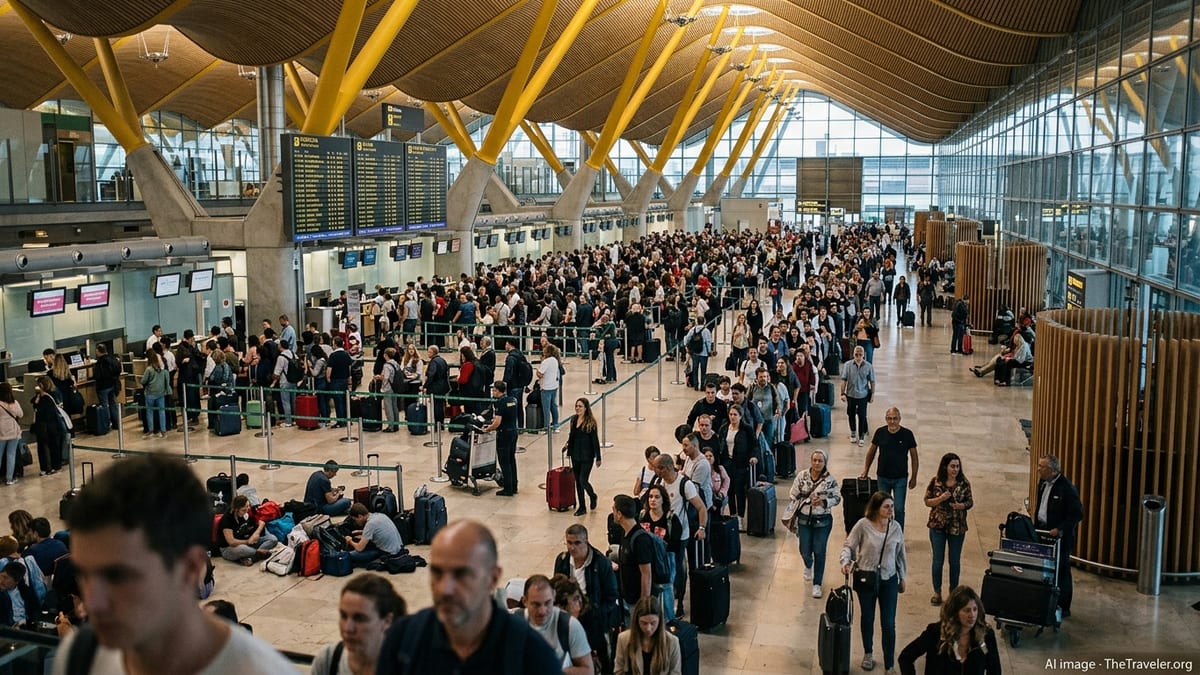
Why Easter 2026 Is a Flashpoint for Spanish Aviation
Easter, or Semana Santa, is traditionally one of Spain’s busiest travel periods, and 2026 is shaping up to be no exception. With holiday dates running from late March into early April, airlines and airports are preparing for a sharp spike in domestic and international demand focused on Spain’s major hubs. Aena’s recent traffic statistics highlight how Easter weeks can push Spanish airports close to capacity, with tens of millions of passengers passing through the network during spring holiday peaks in previous years.
The importance of this period is particularly visible at Madrid Barajas, Barcelona El Prat, Malaga Costa del Sol and Palma de Mallorca. These airports serve as critical gateways for both incoming leisure traffic and residents heading home or to coastal resorts. Published tourism data for Malaga, for example, indicate that Easter weeks represent a key slice of the province’s annual visitor volume and spending, with local businesses heavily reliant on reliable air access.
This intense seasonal concentration means even limited industrial disruption can have an outsized impact. Flight schedules are tightly packed, turnarounds are short and aircraft are operating close to full, leaving little slack to absorb delays or cancellations if staff walkouts occur at security, ground handling or airside operations over the holiday window.
Travel commentators in Spain are already describing 2026 as a stress test for the aviation system, coming after several years marked by labour disputes, infrastructure pressures and weather-related shocks across Europe. For passengers, this translates into heightened concern that any renewed strike action could quickly cascade into missed connections, lost baggage and long queues during a period when alternative options are limited.
From Christmas Chaos to Easter Risk: A Pattern of Airport Unrest
Fears about an Easter “flightblood” crisis are rooted in very recent experience. In late December 2025 and early January 2026, ground handling strikes at Madrid Barajas disrupted operations for airlines linked to the IAG group, including Iberia, British Airways, Vueling and LEVEL. Publicly available notices at the time warned of possible delays and cancellations on key travel days around Christmas and New Year, underlining the leverage ground staff hold at Spain’s primary hub.
These walkouts followed an earlier, high-profile confrontation in January 2024, when Iberia-linked ground staff staged a multi-day strike that left thousands of suitcases stranded at airports across Spain. According to published coverage, flights continued to depart but often did so with baggage left behind, creating a protracted logistical hangover for both airlines and passengers. The dispute was closely connected to how ground handling contracts are awarded by Aena, and it exposed long-running tensions over staffing levels, job security and pay in this segment of the aviation workforce.
Security workers at Madrid have also taken industrial action in recent months. Reports in late 2025 described an indefinite strike by private security staff at Barajas, resulting in queues of up to 60 to 90 minutes at checkpoints and forcing the airport operator to reconfigure staffing and passenger flows. Although flights largely continued to operate, the disruption demonstrated how rapidly service levels can deteriorate when frontline airport staff reduce capacity at peak times.
Taken together, these episodes have created a pattern of stop-start unrest across Spain’s aviation sector. Unions representing ground handlers, security staff and other airport workers have repeatedly used high-demand travel windows to press demands, confident that limited staff reductions can generate pressure without a complete shutdown. The proximity of these disputes to Easter 2026 is driving concern that another strike wave could be timed to coincide with one of the busiest weeks of the year.
Madrid, Barcelona, Malaga and Palma in the Crosshairs
The risk of disruption is not evenly spread across Spain. Madrid Barajas occupies a central position in the country’s aviation network, functioning as the main long-haul hub, a major European connector and a critical node for domestic routes. Any strike affecting ground handling, baggage or security at Madrid tends to ripple outward, hitting connecting passengers and feeder services to cities such as Barcelona, Malaga and Palma de Mallorca.
Barcelona El Prat, meanwhile, is a key base for low cost and network carriers and a major gateway for Mediterranean city breaks. Past summers have seen elevated disruption here during Europe-wide staffing shortfalls, and travel analytics reports have repeatedly listed Barcelona among airports with significant delay and cancellation levels when aviation systems are under strain. With Easter 2026 expected to bring a surge in both inbound tourists and residents departing for short-haul holidays, any industrial slowdown at check-in, security or on the ramp could quickly generate bottlenecks.
On the southern coast, Malaga and Palma are especially exposed to holiday timing. Malaga serves the Costa del Sol, where hotels and tourism businesses depend heavily on Semana Santa occupancy. Local industry groups have already raised the alarm over separate high-speed rail issues ahead of Easter 2026, reporting reduced bookings and warning of substantial potential losses if access problems persist. In this context, additional aviation disruption would compound existing concerns about the region’s ability to handle peak-season flows.
Palma de Mallorca faces a slightly different vulnerability. As the primary air gateway to the Balearic Islands, it handles large volumes of point-to-point leisure traffic from the rest of Spain and across Europe. If ground handling or security staff were to strike at Palma during Easter, turnaround delays and missed slot times could reverberate across island services, affecting not just inbound visitors but also residents returning for the holidays.
What Travellers Can Expect if Strikes Hit Easter Week
While no nationwide shutdown has been announced for Semana Santa 2026, the recent history of labour disputes and the strategic timing of past actions mean that travellers are increasingly planning for the possibility of disruption. Based on recent strike episodes at Spanish airports, the most likely issues include long queues at security, slower baggage delivery, late departures and, in some cases, short-notice cancellations or rebookings.
Ground handling strikes in particular have previously led airlines to adjust schedules, consolidate flights or limit checked baggage to stabilise operations. Industry guidance published after earlier strikes suggests that carriers tend to prioritise long-haul and high-load services, while trimming frequencies on shorter routes if staffing is tight. For Easter passengers, that could translate into reduced flexibility on busy domestic and European links, especially at peak times of day.
Passengers transiting through Madrid to reach secondary destinations may be especially vulnerable. If queues at security or passport control lengthen or if baggage transfer times increase, minimum connection times can quickly become unrealistic. Travel analysis of past disruption patterns shows that even when headline cancellation rates remain modest, missed connections and delayed luggage can significantly affect the overall journey experience for connecting customers.
In the background, there is also the broader European context. The 2025 to 2026 windstorm season has already brought significant weather-related disruption to parts of the continent, and aviation data from previous years underscore how severe storms can intersect with staffing problems to magnify delays. For Easter 2026, this combination of meteorological volatility and unresolved labour tensions is prompting observers to warn of a potential “perfect storm” for Spain’s busiest holiday airports.
Preparing for a Potential Easter 2026 Travel Meltdown
With uncertainties still in play, travel industry observers are advising would-be Easter visitors to Spain to build more resilience into their plans. Recent commentary across European aviation has focused on practical steps such as choosing earlier flights in the day, allowing longer connection times through Madrid and Barcelona, and travelling with carry-on baggage only where possible to reduce reliance on ground handling operations.
Consumer advocates continue to highlight the importance of understanding air passenger rights in Europe, particularly the compensation and care obligations that apply during disruptions caused by staff strikes. While interpretations can vary, past rulings around industrial action in outsourced ground handling and security roles suggest that passengers may be entitled to assistance and, in some cases, financial compensation when flights are significantly delayed or cancelled.
Travel planners also point to the diversification of destinations within Spain for Semana Santa 2026. Booking data already indicate growing interest in alternative cities and regions beyond the traditional hotspots of Seville and the Costa del Sol, with some travellers seeking to avoid airports and corridors that have recently experienced the heaviest strains. At the same time, tourism bodies in established resorts remain hopeful that last-minute bookings and stable operations will still deliver a strong Easter outcome if serious strike action is averted.
For now, the picture remains fluid. Publicly available information paints a landscape in which underlying labour disputes are unresolved, infrastructure and capacity are under pressure, and weather-related shocks are an additional wild card. As Easter approaches, attention will remain firmly fixed on whether Spain’s aviation sector can navigate this volatile mix without tipping into the kind of travel meltdown that many fear could paralyse flights at Madrid, Barcelona, Malaga and Palma de Mallorca during one of the country’s most important holiday weeks.