

More news on this day
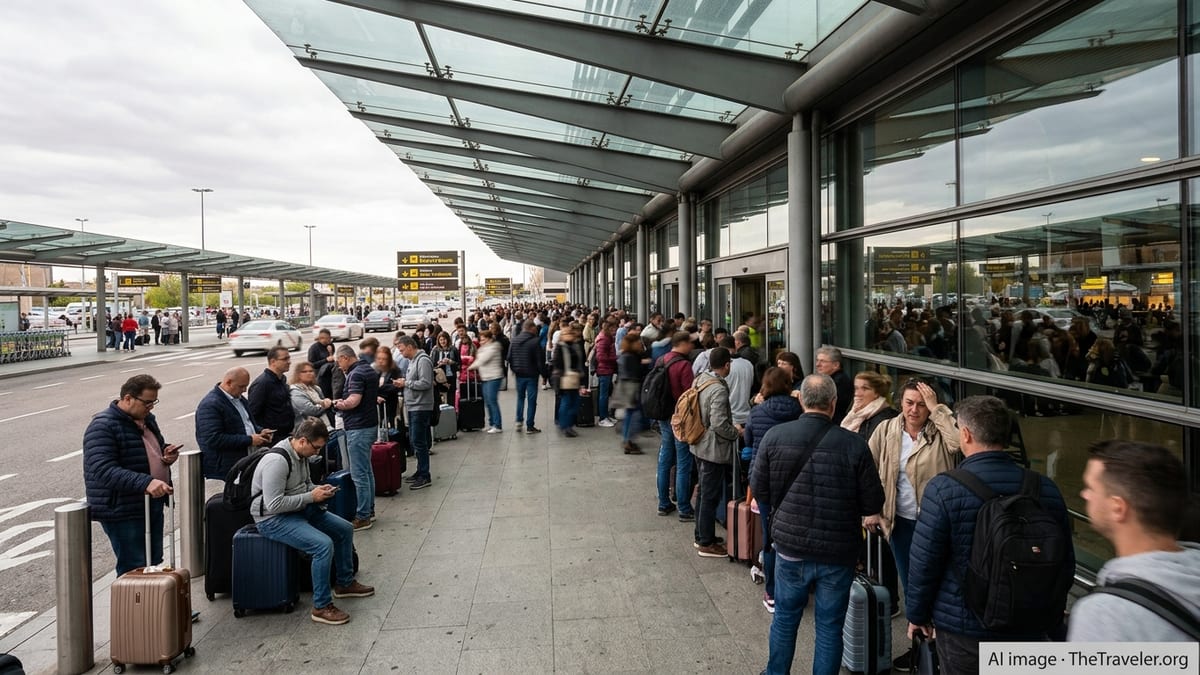
Spain is bracing for significant transport disruption over Easter 2026, as strike notices involving airport staff at key holiday gateways including Madrid, Barcelona, Palma de Mallorca, Alicante and Málaga coincide with one of the busiest travel periods of the year, raising concern for millions of domestic and international passengers heading to Semana Santa processions and spring beach breaks.
Get the latest news straight to your inbox!
What Is Happening Around Easter 2026 in Spain
Holy Week in Spain in 2026 runs from Palm Sunday on 29 March to Easter Sunday on 5 April, with many regions adding public holidays on Maundy Thursday, Good Friday and Easter Monday. Published calendars show that 2 and 3 April, Maundy Thursday and Good Friday, will be non-working days across most of the country, concentrating leisure and religious travel into a compact window on roads, railways and at airports.
Reports from Spanish transport and labor outlets during early 2026 point to a dense backdrop of industrial unrest in the wider sector, including nationwide rail stoppages in February and localized metro strikes timed around Semana Santa. This pattern, together with previous handling and security disputes at major airports in late 2025, has heightened scrutiny of staffing levels and contingency planning at Spain’s busiest hubs just as Easter approaches.
While some disputes have been resolved in advance through new labor agreements in the wider Aena airport group, others remain subject to last-minute mediation. That uncertainty is prompting airlines, airports and tourism bodies to urge travelers planning trips to Spain during Easter 2026 to monitor developments closely and build extra flexibility into their itineraries.
Key Airports at Risk and Why They Matter
Concentration of any industrial action at Spain’s largest airports is particularly sensitive because of the volumes involved. Official traffic data list Adolfo Suárez Madrid Barajas as handling more than 68 million passengers in 2025, with Barcelona El Prat close behind on over 57 million. Palma de Mallorca, Málaga Costa del Sol and Alicante Elche Miguel Hernández all appear within Spain’s top ten, underlining their role as critical gateways for both holidaymakers and homebound residents.
Madrid serves as the primary long haul hub for Iberia and oneworld partners, feeding connections across Europe and to the Americas, while Barcelona functions as a key base for low cost and full service carriers linking much of western and central Europe to Spain. Palma, Málaga and Alicante are heavily leisure oriented, serving dense networks of routes from the United Kingdom, Germany, Scandinavia and other northern European markets geared toward Easter sun and Semana Santa tourism.
Published summaries of recent strike notices in Spain’s transport sector suggest that handling, security, hospitality and metro operations can all be affected at different times, sometimes with minimum service levels ordered by public authorities. Even when minimum services are imposed, experience from earlier walkouts at Madrid and other European airports indicates that queues, flight delays and missed connections can still become widespread at peak times.
Likely Impact on Easter Holidaymakers
The overlap of potential airport disruptions with Holy Week presents a particular challenge because demand spikes are predictable and pronounced. Travel and lifestyle coverage devoted to Semana Santa repeatedly highlights that cities such as Seville, Málaga and Madrid experience some of their highest visitor numbers of the year during processions, while coastal areas around Alicante and the Balearics see a sharp early season surge in international arrivals.
Any slowdown at check in, security or baggage handling during this period risks having an outsized impact. Passengers making domestic hops into Seville, Granada or Jerez to reach famous processions, or international visitors changing planes at Madrid and Barcelona, are especially vulnerable to knock on delays if flights fall behind schedule and airport infrastructure becomes saturated.
Published analyses of previous European disruption patterns show that even modest strike participation can translate into substantial operational challenges when airports are already operating near capacity. At hubs like Madrid and Barcelona, a combination of tight turnaround times and full flights means that relatively short work stoppages or partial staffing shortfalls can cascade into rolling delays throughout the day, which then spill over into onward connections to Palma, Málaga, Alicante and other regional airports.
How Travelers Can Prepare and Minimize Disruption
Publicly available guidance from consumer groups and travel industry bodies responding to earlier strike waves across Europe offers a series of practical steps that are equally relevant for Spain over Easter 2026. The first is to plan itineraries with generous buffers. Allow extra time between connections, especially when routing through Madrid or Barcelona, and consider scheduling arrivals at least a day before any fixed commitments, such as reserved balcony seats for processions or nonrefundable tours.
Travelers are also advised to pay close attention to communications from airlines and package tour operators in the weeks before departure. Many carriers update schedules or consolidate lightly booked flights ahead of known strike dates, and some proactively offer free date or routing changes when industrial action is announced. Monitoring airline apps and signing up for push notifications can provide earlier warning of rebookings than waiting for email updates alone.
On the ground, arriving at the airport earlier than usual is a recurring recommendation whenever labor disputes affect handling or security. For Easter 2026, travelers using Madrid, Barcelona, Palma, Alicante or Málaga may wish to target arrival at check in three hours before European flights and four hours before long haul departures if strikes remain on the calendar, especially during the peak outbound days around 28 to 30 March and the return wave from 4 to 6 April.
Understanding passenger rights is another key element of preparation. Under European air passenger protection rules, airlines typically remain responsible for providing care such as meals and accommodation during extended delays or cancellations, although compensation rules can vary depending on the cause. Travelers can strengthen their position by keeping all receipts for essential expenses and by documenting any communications received from carriers about cancellations or rescheduling.
Alternatives and Contingency Options Inside Spain
If planned airport strikes appear likely to cause severe bottlenecks, some travelers may wish to consider alternative routes into or around Spain. Coverage of the Spanish domestic network highlights that many major destinations have more than one feasible gateway; for example, visitors bound for the Costa del Sol might look at flights into Granada or Almería as backups to Málaga, while those headed to Valencia or the Costa Blanca might consider Castellón or Murcia as alternatives to Alicante, depending on route availability from their home country.
Within Spain, the rail system and intercity buses provide additional resilience, although they have themselves been subject to industrial tensions earlier in 2026. Advance booking of high speed rail tickets on popular routes such as Madrid to Seville, Málaga or Valencia is crucial at Easter, as seats often sell out around public holidays. Long distance coach operators typically add extra services during peak demand, but here too, early reservations improve the chances of securing seats and preferred departure times.
Travelers already in Spain during Holy Week who face last minute flight disruption may find that adjusting plans to spend additional days in one destination, rather than attempting tight multi stop itineraries, reduces stress and exposure to cascading delays. Semana Santa processions and cultural events take place over several days in most cities, so a more flexible approach to sightseeing can still deliver a rich experience even if the exact schedule shifts because of transport constraints.
Finally, comprehensive travel insurance that explicitly covers strikes and industrial action can provide an extra layer of financial protection. Policy documents often contain detailed conditions and exclusions, particularly around when a strike was first announced, so checking the fine print before purchase is essential. For Easter 2026 in Spain, travelers may wish to prioritize policies that offer robust coverage for missed connections, trip curtailment and additional accommodation costs stemming from confirmed airport disruptions.