

More news on this day
Spain is emerging as one of the clearest winners of the 2026 Easter travel boom, as booking data and tourism forecasts point to a sharp rise in demand for affordable luxury, scenic getaways and culture rich city breaks across Spain, the United Kingdom, Mexico, Greece and Egypt.
Get the latest news straight to your inbox!
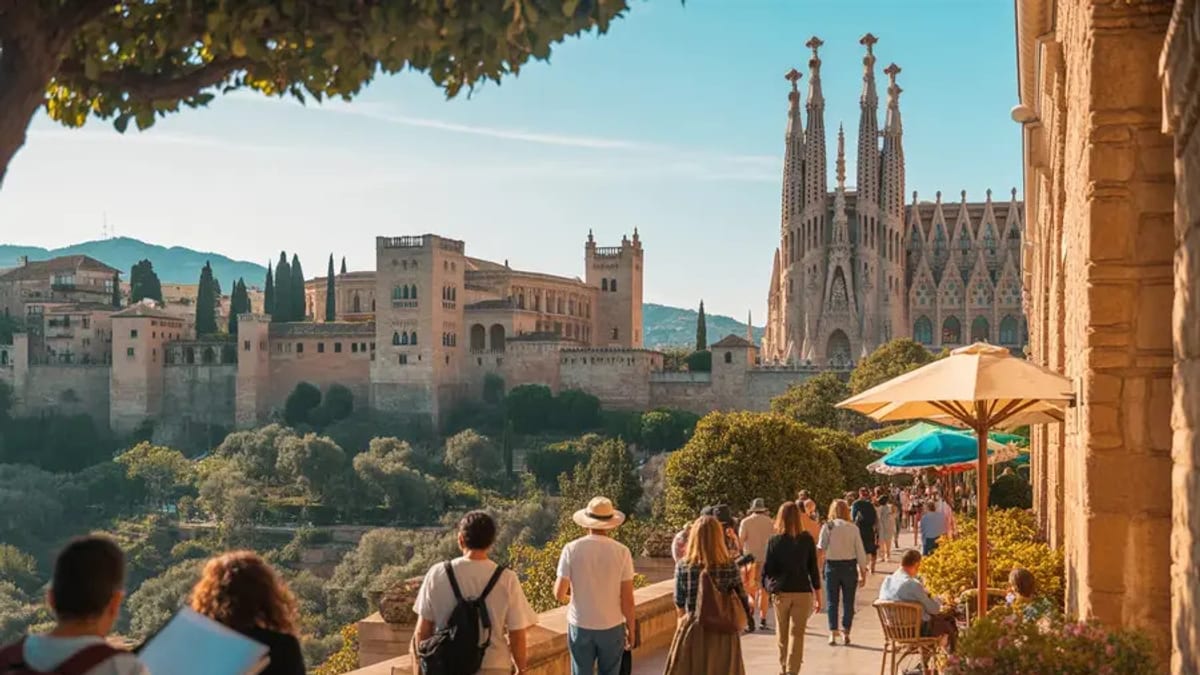
Image by Travel and Tour World – Tourism, Airline, Destination, MICE, Gobal Travel Market, Hotel news that you will find only over here.
Early Easter Date Helps Supercharge Demand
Easter Sunday in 2026 falls on 5 April, overlapping with school holidays in many major source markets and extending the traditional spring peak into a multi week surge in trips. Travel planners indicate that this collision of Easter and spring break is intensifying demand for warm weather escapes and short haul cultural city stays, with sunbelt destinations around the Mediterranean and in North Africa among the main beneficiaries.
Global tourism bodies report that overall international travel is expected to grow a further 3 to 4 percent in 2026, supported by strong consumer appetite for overseas holidays and expanded air capacity. Spain, the United Kingdom, Mexico, Greece and Egypt all feature prominently in medium term rankings of the most visited countries, positioning them to capture a large share of Easter spending as travellers lock in mid price hotels and competitively priced flights.
Online travel agencies and airline booking snapshots for the first quarter of the year show Easter departures among the fastest growing segments, with many carriers bringing forward peak summer capacity to April. Industry monitoring of search and booking patterns suggests that Easter 2026 could become one of the busiest early season travel windows since before the pandemic, particularly for coastal and resort markets.
Analysts note that geopolitical uncertainty is influencing destination choice, but not dampening overall demand. Travellers are shifting from some Middle East hubs toward perceived safer alternatives in Europe and the Mediterranean, and Spain in particular is absorbing a significant portion of this redirected traffic in the run up to Easter.
Spain Takes Pole Position With Affordable Luxury
Recent tourism reports highlight Spain near the top of global arrival rankings for 2026, reflecting a robust recovery and growing appeal across both city and resort segments. Hotel and package data point to particularly strong gains for Spain in the key weeks around Easter, with some accommodation platforms reporting one of the fastest increases in bookings per property among major European destinations.
Travel trade coverage indicates that Spain is benefitting from a combination of competitive pricing and upgraded product. Airlines including leading low cost carriers have added extra frequencies from northern Europe into cities such as Barcelona, Malaga and Valencia, while coastal islands from the Balearics to the Canaries are seeing strong forward sales for four star and upper mid scale hotels that position themselves as affordable luxury options.
Domestic research in Spain also points to rising spending intentions for the Easter break, suggesting that international demand is being reinforced by a solid home market. Observers say many Spanish travellers are opting to stay within the country, concentrating demand in Andalusia, the Mediterranean coast and major cultural hubs, which in turn supports year round operations and encourages investment in higher quality, design led accommodation.
At the same time, Spain’s traditional Holy Week processions and festivals are drawing culture focused visitors back into historic centres such as Seville, Valladolid and Malaga. Tourism boards and city authorities have invested in crowd management, museum programming and night time economy initiatives that allow visitors to combine religious heritage, gastronomy and urban experiences within a single short break.
UK Travelers Drive Bookings to Spain, Greece and Egypt
From the United Kingdom, early year booking patterns show a strong outbound push for Easter 2026. Trade publications describe one of the busiest “Sunshine Saturday” events in years, with UK holidaymakers rapidly reserving package deals to Spain and Egypt, as well as to the Canary Islands and other sun destinations that promise warm temperatures in early April.
Reports from major UK travel firms indicate that Spain and Egypt are among the leading beneficiaries of this surge, supported by a mix of charter and scheduled capacity into coastal resort areas and Red Sea gateways. While some operators have noted softer demand for parts of the eastern Mediterranean because of regional tensions, they also highlight that capacity is being reallocated rather than withdrawn, with Spain and the western Mediterranean absorbing additional flights.
Greece continues to perform strongly as a spring and early summer option, according to tourism trend coverage, even as some islands rely more heavily on late bookings. City destinations such as Athens and Thessaloniki, along with early opening islands in the Aegean and Ionian seas, are drawing culture and food oriented visitors who are willing to trade beach heat for lower prices and quieter streets in April.
Within the UK itself, domestic coastal and countryside breaks remain popular over the Easter bank holiday, but industry analysis suggests that the strongest year on year gains are in outbound leisure. Analysts link this to relatively resilient household savings and a continued preference for experience based spending, even in the face of higher airfares and living costs.
Mexico and Egypt Capitalize on Scenic and Cultural Appeal
Across the Atlantic, Mexico is positioned as one of the strongest long haul choices for Easter 2026, particularly for travellers from North America and Europe seeking warm weather, all inclusive stays and access to historic and natural landmarks. Travel demand forecasts for 2026 place Mexico among the top tier of global destinations by international arrivals, underpinned by new routes and increased seat capacity into beach hubs such as Cancun, Los Cabos and Puerto Vallarta.
Tourism coverage notes that Mexico’s appeal at Easter combines traditional Holy Week observances with a broad range of secular resort experiences. Inland cities with strong colonial architecture and cultural programming are seeing rising interest from visitors who want to balance church processions and local festivals with museum visits and food tours, often packaged as multi stop itineraries that pair the highlands with the coast.
Egypt, meanwhile, is leveraging both the Red Sea and its iconic archaeological sites to attract Easter travellers. Industry reports highlight demand for Hurghada and Sharm el Sheikh among sun seeking Europeans looking for value oriented resort stays that still offer premium facilities. At the same time, river cruises along the Nile and tours of Giza, Luxor and Aswan remain core components of Egypt’s holiday offering, with many operators tailoring Easter period itineraries to include special cultural events and extended opening hours at key sites where conditions allow.
While some analyses point to short term volatility in bookings linked to regional security concerns, pricing strategies and flexible booking conditions are helping to sustain interest. Travel platforms describe a segment of experienced travellers who are willing to proceed with carefully planned trips in exchange for attractive rates on higher category hotels and small ship cruises, reinforcing Egypt’s role in the affordable luxury segment.
Greece and Cultural City Breaks Anchor Europe’s Easter Push
Greece remains central to Europe’s Easter tourism landscape, balancing its role as a traditional Orthodox destination with its global image as a sun and sea holiday leader. Travel trend reports for 2025 and 2026 point to resilient demand for Greek islands and city stays, even as some markets face headwinds from the wider Middle East situation and cost of living pressures in source countries.
For Easter 2026, industry observers expect Athens and other urban centres to attract visitors interested in religious ceremonies, archaeological sites and modern cultural venues. Although many Greeks travel to family homes during Holy Week, hotels in central neighbourhoods typically see solid occupancy from international guests who plan itineraries around key religious dates, combined with visits to the Acropolis, museums and neighbourhoods known for contemporary food and nightlife.
Beyond Greece, cultural city breaks are a defining feature of the 2026 Easter boom across Europe. Cities such as London, Edinburgh and regional hubs in the United Kingdom are benefitting from strong inbound demand tied to theatre, museums and sporting events, alongside domestic tourism. Analysts note that many travellers are pairing a cultural capital stay with a secondary destination, such as a coastal town or national park, as rail and low cost air links make multi centre trips more accessible.
Across Spain, Greece, the UK and other European markets, urban hotel operators report growing interest in boutique and lifestyle properties positioned between traditional mid scale and full luxury. This segment, which emphasises design, local food and central locations over large resort style amenities, is capturing travellers with mid range budgets who still want a sense of indulgence and place specific character during a short Easter break.