

More news on this day
Spain is emerging as a front runner in what industry analysts describe as a global Easter 2026 travel boom, joining the United Kingdom, Mexico, Greece and Egypt at the top of wish lists for holidaymakers seeking affordable luxury, scenic escapes and culturally rich breaks.
Get the latest news straight to your inbox!
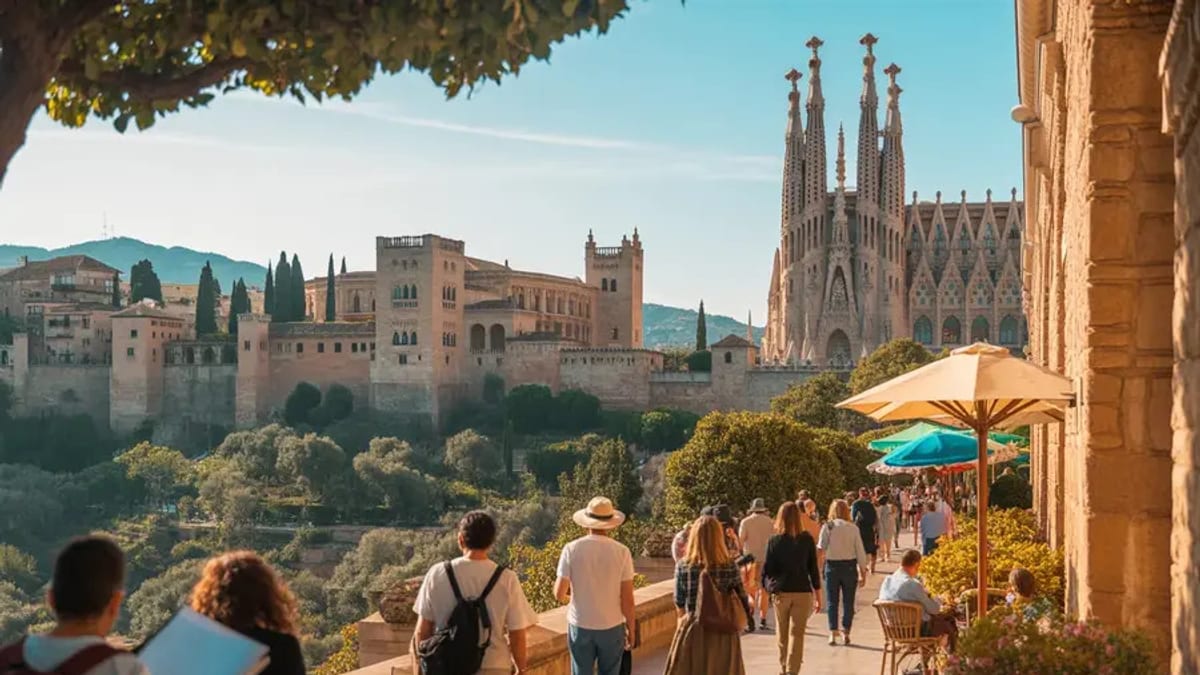
Early Signals Point to Record Easter 2026 Demand
Although detailed booking figures for Easter 2026 are still emerging, recent data on Easter 2024 and 2025, along with long range industry forecasts, indicate a strong upward trajectory for spring travel that is expected to carry into 2026. European and Mediterranean destinations such as Spain, Greece and Egypt, together with Mexico on the Atlantic and Pacific coasts, have already reported double digit rises in Easter season revenue and visitor volumes in 2025 compared with the previous year, according to sector reports and tourism barometers.
Europe has been at the center of this resurgence, with Spain consistently ranking among the top destinations for both intra European and long haul travelers during the spring holiday period. Hospitality and aviation trend analyses show that Easter, falling in mid April in 2025 and again in 2026, aligns with school breaks and public holidays in key outbound markets such as the United Kingdom, the United States and parts of Latin America, reinforcing demand for week long trips that combine city experiences with coastline stays.
For tour operators and hotel groups, the pattern is clear. Forward looking booking tools and travel agency surveys point to strong advance sales into spring 2026, particularly for classic sun and culture destinations that can still position themselves as relatively good value compared with premium long haul alternatives. Spain now features prominently in this group, rivaling long established Easter favorites in Greece and Egypt and joining Mexico as a leading non European option for transatlantic travelers.
Spain’s Affordable Luxury Strategy Gains Ground
Spain’s rise in the Easter 2026 outlook is closely linked to its positioning in what analysts describe as the “affordable luxury” segment. Average daily rate data for Spanish hotels over recent Easter seasons shows that prices have risen from pre pandemic levels, yet often remain below equivalent offerings in some competing Western Mediterranean and Caribbean destinations. This has allowed Spanish coastal and urban properties to upgrade services and facilities, from wellness focused resorts on the Costa del Sol to design led boutique hotels in Madrid and Barcelona, while still attracting cost conscious mid to upper tier travelers.
Spanish tourism planners have also leaned into the combination of spring sunshine and cultural depth that differentiates the country from more purely resort focused markets. Easter processions in Andalusian cities, gastronomy focused city breaks and wine tourism in regions such as La Rioja and Catalonia are increasingly bundled into premium but accessible packages targeting couples, multigenerational families and small groups. Travel insights for the 2025 winter season already showed a sharp rise in bookings for Spanish city breaks, suggesting that the same appetite for urban culture will carry through into Easter 2026.
At the same time, concerns about overtourism and housing pressures in Spanish hotspots have prompted local and regional authorities to calibrate how they welcome higher spending visitors. Measures to steer demand toward lesser known inland towns, emerging coastal areas and secondary islands are becoming part of the Easter offer, with a view to spreading both economic benefits and visitor impact more evenly. Industry commentary suggests that travelers ready to pay more for space, authenticity and sustainability are responding positively to these alternatives.
United Kingdom and Mexico Anchor a Global Shift Toward Spring Escapes
The United Kingdom continues to play a dual role in the Easter travel landscape for 2026. Domestically, transport and motoring organizations repeatedly report that the long weekend is one of the busiest on British roads, with tens of millions of trips forecast in recent years as residents head to coastal, countryside and heritage destinations. Internationally, the UK remains a major outbound market, sending visitors in large numbers to Spain, Greece, Egypt and Mexico during the spring shoulder season when prices can be lower than in peak summer.
Mexico has emerged as another central pillar of the Easter boom, particularly through its Semana Santa period. National tourism statistics for 2025 highlighted strong growth in hotel revenue and occupancy over the holiday, underscoring the importance of domestic and regional travel as well as long haul arrivals from North America and Europe. Flagship destinations such as Cancun and the Riviera Maya remain core draws, but recent search trend data points to increasing interest in central highland cities and Pacific coast towns where travelers seek culture, cuisine and nature alongside traditional beach stays.
For many travelers weighing Easter 2026 options, Mexico’s combination of relatively competitive all inclusive pricing, expanding air connectivity and a wide spectrum of experiences is proving attractive. Analysts note that the country is capturing visitors who might previously have planned longer, more expensive trips at Christmas or during peak summer but are now opting for shorter, high value spring breaks instead.
Greece and Egypt Reposition for Scenic and Cultural Holidays
Greece has long been synonymous with summer island escapes, but booking and forecast data suggest that it is increasingly stretching its season into spring. Tourism outlooks for 2025 reported strong forward bookings over Easter for both mainland cultural hubs and selected islands, helped by early season flights and cruise itineraries. For Easter 2026, Greek tourism stakeholders are promoting mild weather, lower crowd levels and value for money as reasons to bring forward traditional Greek island plans into April.
City breaks in Athens and Thessaloniki, combined with day trips to archaeological landmarks and nearby islands, are being marketed as alternatives to more crowded mid summer itineraries. Industry commentary points to a growing segment of travelers drawn by religious heritage and Orthodox Easter traditions, aligning with a broader global trend toward culturally meaningful travel experiences rather than purely beach focused stays.
Egypt, meanwhile, is consolidating its status as a favorite for travelers seeking a mix of warm weather, Nile scenery and world renowned antiquities over the Easter period. Tour operator reports ahead of recent seasons highlighted strong demand for Nile cruises, Red Sea resorts and classic Cairo and Giza itineraries. Competitive package pricing and a reputation for reliable sunshine during April have helped Egypt secure a significant share of Europe’s outbound Easter market, particularly from the UK and other northern European countries.
For 2026, travel analysts expect Egypt’s offer to be further shaped by travelers’ desire for curated, higher comfort experiences that remain relatively affordable. Upgraded resort infrastructure in Red Sea hubs and investments in visitor facilities around major archaeological sites are central to this strategy, positioning the country as a destination where mid range budgets can still access resort style amenities and standout heritage attractions.
Rising Demand for Cultural Depth and Scenic Escapes
Across Spain, the UK, Mexico, Greece and Egypt, a shared pattern is emerging in advance of Easter 2026. Travelers are booking earlier and focusing their spending on experiences that combine comfort with cultural depth and scenic appeal. Market research for the 2025 holiday season underscored a shift toward “purpose driven” travel, in which visitors prioritize meaningful encounters with local traditions, landscapes and food, often in smaller groups and with an emphasis on quality over quantity.
In practical terms, this is reshaping how the Easter product is packaged and sold. Tour operators and online platforms are merchandising curated itineraries that blend city time with coastal or countryside retreats, offering four and five star accommodation at rates that remain within reach of a broad middle income audience. Shorter but more immersive trips, such as five night stays combining Madrid with Andalusian Holy Week processions, Athens with island day sails, or Mexico City with nearby volcanic landscapes and colonial towns, are gaining visibility in brochures and search rankings.
Analysts caution that the continued surge in Easter travel brings familiar challenges around crowding, infrastructure and community impact, particularly in historic city centers and compact resort areas. However, for now the momentum is clear. With Spain stepping decisively into a leadership role and aligning with the established draw of the UK, Mexico, Greece and Egypt, Easter 2026 is on track to cement its status as one of the most important periods in the global tourism calendar, both for visitor volumes and for the evolving preference for affordable luxury, spectacular scenery and rich cultural landmarks.