

More news on this day
Spain is accelerating its tourism ambitions with a fresh push to attract a record one hundred million foreign visitors in 2026, building on successive all-time highs and aligning itself with wider European efforts by Italy, France, Ireland, Germany and Norway to capture a larger share of global travel demand.
Get the latest news straight to your inbox!
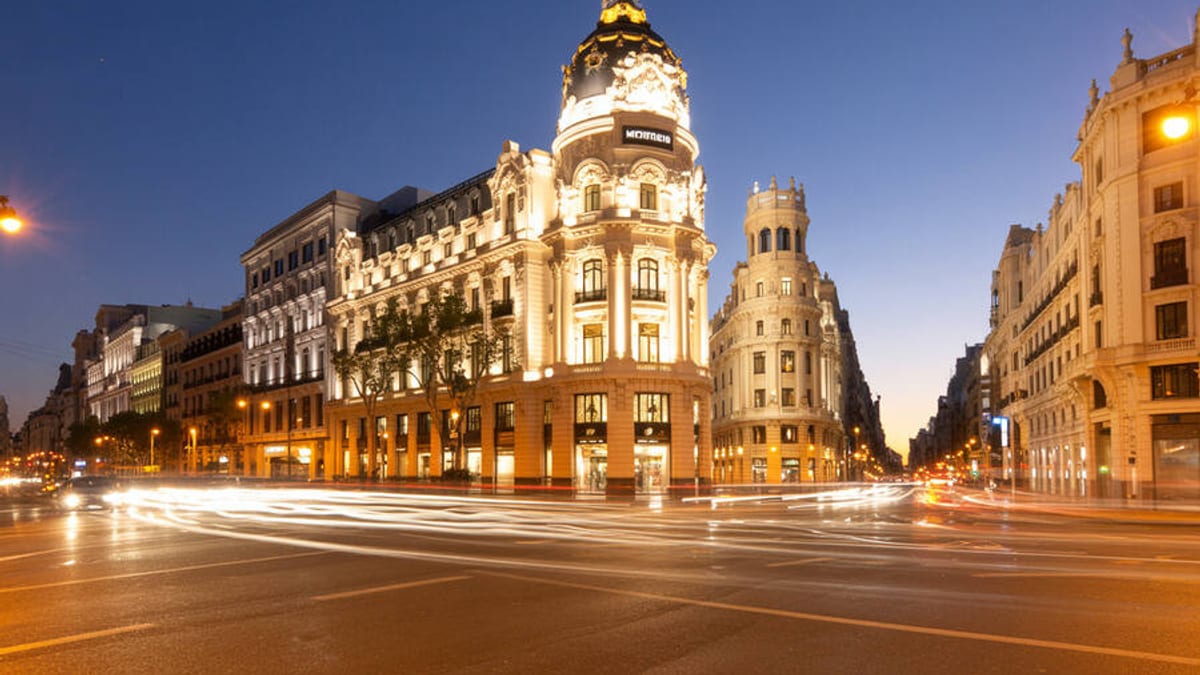
Image by Travel And Tour World
From Record Highs To A Hundred Million Visitor Goal
Publicly available statistics show that Spain has emerged from the pandemic era as one of the strongest tourism performers in Europe. Government data and industry analyses indicate that the country hosted around 85 million international visitors in 2023, surpassing its pre-pandemic record and confirming its return as a global powerhouse.
The rebound gathered pace in 2024, when Spain welcomed approximately 94 million foreign tourists, according to figures highlighted in Spanish and international coverage of the sector. That year marked a historic peak in both arrivals and visitor spending, cementing tourism as a pillar of the national economy and contributing more than 12 percent to gross domestic product.
Reports released in early 2026 indicate that 2025 set yet another record, with close to 97 million international visitors. The steady climb over three consecutive years is seen by analysts as the launching pad for Spain’s strategic objective of hitting one hundred million foreign arrivals in 2026, a psychologically important threshold that would place it firmly alongside France as one of the world’s most visited destinations.
Recent monthly data for late 2025 and early 2026 underline the momentum behind that goal. Spain has been posting record visitor numbers for individual months, indicating that demand remains strong across seasons and that the country is drawing on a broader geographic mix of source markets, led by the United Kingdom, France, Germany and an expanding base of long-haul travelers.
Part Of A Wider European Tourism Expansion Wave
Spain’s renewed drive to grow arrivals is unfolding in parallel with aggressive tourism strategies across Europe. France has consolidated its own position as a global leader after crossing the symbolic 100 million visitor mark in the years preceding the pandemic recovery, using a mix of major cultural events, high-speed rail connectivity and regional branding campaigns to distribute travelers more evenly across the country.
Italy has intensified its focus on high-spending visitors, promoting secondary cities and lesser-known regions to relieve pressure on hotspots such as Venice, Florence and Rome. National and regional campaigns have increasingly emphasized art towns, wine routes and rural stays, offering alternatives to classic city breaks while still capitalizing on the country’s cultural cachet.
Germany and Ireland have expanded targeted marketing in North America and Asia, highlighting urban culture, technology hubs and nature-based tourism. Germany’s major trade fairs and city festivals remain important magnets, while Ireland has leaned on its successful Wild Atlantic Way and other scenic touring routes to lengthen stays and encourage year-round travel.
Further north, Norway and neighboring Nordic countries are actively courting visitors interested in outdoor experiences and climate-conscious travel. Campaigns around fjords, Arctic landscapes and Northern Lights itineraries are increasingly framed around sustainability, with limits on cruise calls, investment in rail and efforts to protect fragile environments.
Strategic Measures To Keep Spain On Top Of The Shortlist
To reach the hundred million mark without undermining resident well-being, Spain’s current strategy combines volume growth with an explicit shift toward higher-quality, higher-spending tourism. Policy documents and official communications in recent years have repeatedly underlined the need to prioritize visitor expenditure over raw arrival numbers, in line with wider guidance from European and international tourism bodies.
Central to this strategy is diversification beyond the traditional “sun and sea” model. Regions such as Catalonia, the Basque Country, Valencia, Madrid and Andalusia have been promoting gastronomy, cultural heritage, design and sports tourism to attract travelers year-round. Wine regions, hiking routes and inland historic towns have also received growing attention in national and regional marketing plans.
Spain is also deepening its digital outreach. National promotion agency initiatives increasingly leverage data-driven advertising, influencer collaborations and niche campaigns aimed at remote workers, digital nomads and repeat visitors seeking slower, more localized experiences. This aligns Spain with efforts in countries like Portugal, Italy and Germany, which have introduced visa frameworks and tax incentives intended to draw long-stay professionals.
Infrastructure modernisation is another component. Investment in high-speed rail, airport upgrades and urban transport has made multi-city itineraries simpler, encouraging travelers to combine coastal resorts with major cultural centers. Industry observers point out that this connectivity advantage helps Spain compete directly with France, Italy and Germany for visitors who want to cover several countries in a single European trip.
Balancing Overtourism Concerns With Growth Targets
While Spain’s tourism surge has benefited employment and public finances, it has also intensified debates about overtourism in major destinations. High-profile protests in Barcelona, the Balearic Islands and parts of the Canary Islands in 2024 and 2025 drew attention to rising housing costs, saturation of historic centers and pressure on local services, echoing similar concerns in Italian and French cities.
Public statements from Spanish policymakers and economic leaders over the past two years have acknowledged these tensions, noting that record visitor numbers must be managed more carefully. Published comments have emphasized the need for policies that protect residents’ quality of life, improve working conditions in the tourism sector and guide development toward sustainability.
Local and regional authorities have increasingly experimented with measures that are becoming common across Europe, including tighter regulation of short-term rentals, caps on cruise ship calls, adjustments to tourist taxes and restrictions on certain activities in crowded areas. Comparable steps have appeared in cities such as Venice, Amsterdam and Paris, suggesting that Spain is part of a broader European attempt to recalibrate the tourism model.
Analysts note that how Spain navigates this balance in the next two years will be critical to the credibility of its 2026 target. Successfully reaching one hundred million visitors while showing tangible progress on sustainability and resident satisfaction would strengthen its image as a mature, well-managed destination rather than simply a volume champion.
Implications For Travelers Planning European Trips
For international travelers, Spain’s strategic push means a wider range of products, more year-round options and intense competition with neighboring countries for attention and spending. The combination of growing air connectivity, improved rail links and active promotion is likely to keep Spain at the top of itinerary shortlists for long-haul visitors planning multi-country European journeys.
At the same time, the focus on dispersing tourism beyond classic hotspots could encourage more travelers to choose lesser-known Spanish regions, mirroring trends in Italy, France, Germany, Ireland and Norway. Rural experiences, food tourism and nature-focused trips are expected to feature more prominently in campaigns targeting 2026.
Industry observers suggest that travelers may encounter more local regulations and fees designed to manage flows and support public services in popular destinations. These changes are not unique to Spain and are increasingly visible across Europe, but they are likely to be particularly closely watched in a country that is openly aiming for a hundred million foreign visitors in a single year.
As global tourism volumes continue to rise, Spain’s coordinated effort alongside other major European destinations is poised to shape how visitors experience the continent, and how residents in high-demand areas experience the impacts of being at the center of one of the world’s busiest travel corridors.