

More news on this day
Holidaymakers bound for Spain’s Costa Blanca in March face fresh disruption as Alicante-Elche Miguel Hernández Airport confirms overnight runway closures that will affect late services operated by Ryanair, Jet2, easyJet and Vueling.
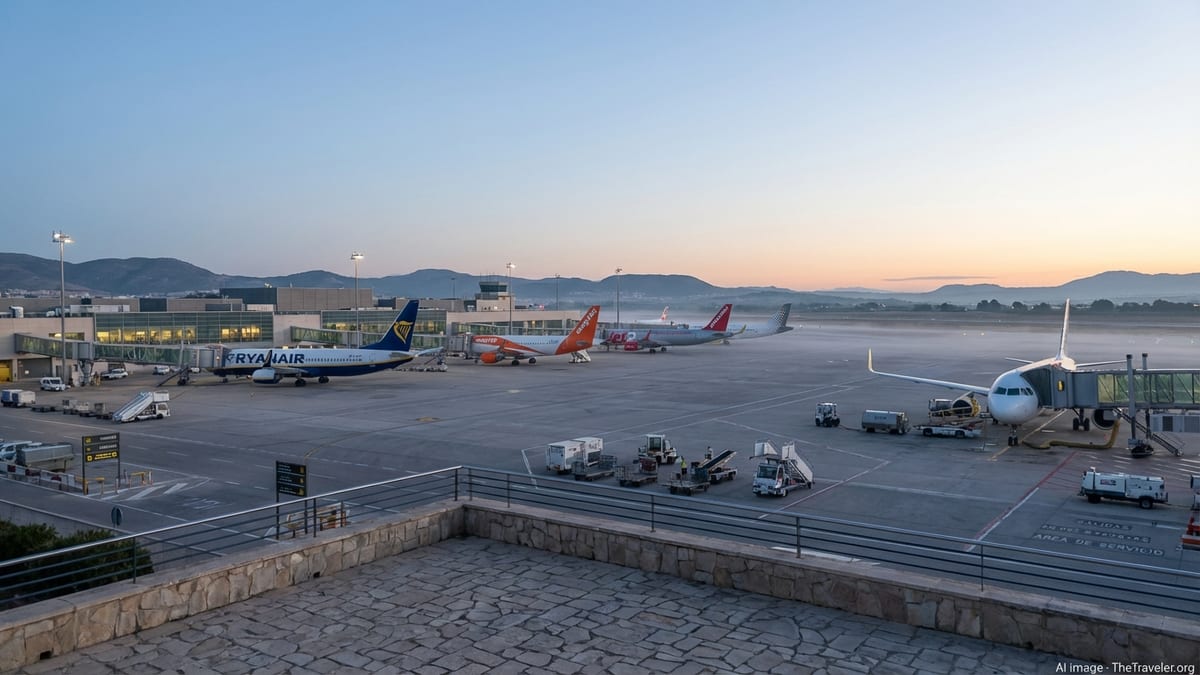
Runway Works Shut Alicante-Elche Nights From 2 to 29 March
Aena, the operator of Alicante-Elche Miguel Hernández Airport, has announced that the airfield’s single runway will be closed every night from 2 to 29 March 2026 to allow major maintenance and expansion works. The runway will be unavailable between 00:00 and 05:59, effectively wiping out most red-eye, very late arrivals and early departures for almost four weeks at one of Spain’s busiest holiday gateways.
The overnight shutdown will allow crews to upgrade sections of the runway and associated taxiways, and to advance construction of a new taxiway designed to improve the flow of aircraft on the ground. Airport officials say the project, which includes resurfacing, new lighting infrastructure and improvements to the threshold area at one end of the runway, is part of a broader programme to keep pace with growing traffic to the Costa Blanca.
Authorities stress that the timing has been chosen to minimise disruption by concentrating work into a compressed period ahead of the Easter travel rush and the launch of the full summer schedule. Even so, the closure window overlaps with an expanding programme of flights from northern Europe, meaning thousands of passengers will see their itineraries retimed or rerouted.
Ryanair Adjusts Growing Alicante Schedule Around Night Ban
Ryanair, the largest carrier at Alicante-Elche by number of routes, has been among the first to warn customers that its operations will be reshaped during the March works. The airline recently unveiled an expanded summer 2026 schedule from the airport, including nearly 90 routes and a double-digit increase in weekly flights, supported by a sizeable based fleet.
Industry sources indicate that, rather than cancelling large numbers of services, Ryanair is focusing on shifting late-night arrivals into earlier evening slots and pushing first-wave departures to after the runway reopens each morning. Some routes with thinner demand may see frequencies trimmed on specific days, while aircraft rotations will be restructured to keep planes and crews productive despite the shorter operating window.
Ryanair has also renewed its criticism of rising Spanish airport charges, arguing that higher fees combined with infrastructure constraints could dent the competitiveness of regional hubs like Alicante-Elche. For March travellers, however, the most immediate impact will be practical: altered flight times, possible changes of operating day on marginal routes and tighter aircraft turnaround schedules that can compound delays if disruption occurs earlier in the day.
Jet2, easyJet and Vueling Rework Late Services From UK and Europe
Jet2, easyJet and Vueling, all significant operators into Alicante-Elche from the UK and mainland Europe, are likewise recalibrating their networks to reflect the loss of overnight access. Alicante is a staple of their schedules from airports such as London Gatwick, Edinburgh, Birmingham and others, with many flights traditionally arriving late in the evening to maximise aircraft utilisation.
With the runway closed during the small hours, airlines are reducing the number of very late inbound services and avoiding tight turnarounds that would have seen aircraft depart again soon after midnight. Instead, more flights are being slotted into early evening peaks, with some early morning departures moved slightly later than usual to ensure compliance with the 06:00 reopening.
For passengers, the changes may not always appear dramatic on paper, but shifts of one or two hours can ripple through connecting journeys, hotel check-in plans and onward ground transport. Travellers booked on Alicante flights with Jet2, easyJet or Vueling in March are being urged to monitor their booking portals and mobile apps closely for updated timings, and to allow additional flexibility in their itineraries.
What March Travellers to Spain Should Expect
Although airport and airline planners have had months to prepare, the temporary curfew-like conditions at Alicante-Elche mean travellers should brace for a period of heightened operational sensitivity. Any daytime disruption from weather, air traffic control restrictions or technical issues will be more difficult to recover, because airlines cannot simply push delayed flights into the overnight hours while the runway is closed.
Early indications are that most affected flights will be retimed rather than cancelled outright, but some late-night services may disappear on certain days where there is insufficient room to reschedule them. Passengers whose original flights fall directly within the closure window are likely to be offered alternative times on the same day, departures on nearby dates, or in some cases rebooking via other Spanish airports on the same airline or partner carriers.
Travel agents along the Costa Blanca report a growing number of enquiries from British and European visitors seeking clarity on whether their spring getaways will proceed as planned. While the overall scale of disturbance remains modest compared with wider issues such as air traffic control strikes, experts say March visitors to Alicante should keep a close eye on pre-departure communications, particularly in the week before travel when final schedule tweaks are most likely.
Advice for Holidaymakers Heading to the Costa Blanca
For tourists flying to or from Alicante-Elche in March, preparation will be key. Travellers are advised to reconfirm flight times regularly, especially if they hold bookings on late-evening arrivals or very early morning departures with Ryanair, Jet2, easyJet or Vueling. Airlines typically notify customers of significant schedule changes by email or app notification, but messages can be missed when trips are booked far in advance or via third parties.
Experts also suggest building additional slack into transfer plans. Those landing at Alicante for onward journeys by train, coach or hire car should check whether new arrival times still align with existing reservations, and consider flexible tickets where possible. On departure, arriving at the airport with ample time will help smooth the impact of any congestion as multiple retimed flights converge on similar departure banks.
Despite the short-term pain, local authorities and tourism bodies argue that the runway and taxiway upgrades will ultimately support more reliable operations and continued growth at Alicante-Elche, which serves as the main international gateway for popular resorts including Benidorm, Altea and Torrevieja. For now, though, March holidaymakers are being reminded that a little advance planning and patience will go a long way in navigating Spain’s latest wave of airport disruption.