

Spain’s two great headline cities, Barcelona and Madrid, deserve their fame. Yet they barely scratch the surface of a country that stretches from misty Atlantic cliffs to semi-desert plateaus, Moorish palaces and volcanic islands. Venture beyond the classic circuit and you will find wine towns where evenings linger in stone-paved plazas, fishing ports framed by green hills, and villages where life still follows the rhythms of the sea and the seasons. This guide is an invitation to look past the big two and design a richer, slower journey across Spain.
Why Look Beyond Barcelona and Madrid
Spain has become one of the world’s most visited countries, welcoming record numbers of international travelers in recent years. The vast majority still gravitate toward a small handful of hotspots, especially Barcelona, Madrid and the Mediterranean beaches clustered along the Costa del Sol and Costa Brava. That concentration has obvious consequences in the form of crowds, rising prices and daily life pressures for residents, particularly around housing and public space. For travelers, it can mean long queues, busy streets and a version of Spain that at times feels curated for visitors rather than lived in.
Step away from that narrow corridor and a more varied Spain quickly comes into view. Inland regions like Aragón and Extremadura, north-coast territories such as Asturias and Cantabria, and lesser-known corners of Andalucía and the Balearic and Canary Islands offer landscapes and cultures as distinctive as anything in Barcelona’s Eixample or Madrid’s Gran Vía. Hill towns still celebrate age-old festivals, bars pour local wines that rarely leave the region, and wild spaces are close enough that you can hike in the morning and be in a medieval square by early evening.
There is also a broader shift in how many visitors want to experience the country. Tour operators report growing demand for walking, cycling and nature-focused itineraries that favor fewer bases and longer stays over checklists of famous monuments. Smaller cities and rural areas have responded with boutique hotels, revitalized historic quarters and food scenes that showcase traditional recipes alongside contemporary cooking. For travelers willing to trade a bit of headline glitz for authenticity and elbow room, it is an ideal moment to look at Spain’s map with fresh eyes.
Crucially, Spain’s expanding rail and bus networks, along with new national transport initiatives, are making it easier and often cheaper to reach these less familiar destinations. High-speed lines now run into the north and northwest, and secondary routes connect mid-sized cities with their surrounding countryside. Combined with good regional bus services and an increasing focus on sustainable tourism, this infrastructure opens the door to itineraries that feel adventurous without being impractical.
Northern Spain: Green Coasts and Characterful Cities
Stretching from the French border to Galicia’s ocean-smashed headlands, Spain’s north coast is often called the Green Spain for its rainy climate and rolling landscapes. Here the mood is Atlantic rather than Mediterranean, with surf towns and fishing ports backing onto hills grazed by cattle and dotted with stone farmhouses. The region is comparatively under-visited given its size and variety, making it ideal if you want fresher air, milder summer temperatures and a local rhythm that leans more toward cider houses and seafood taverns than beach clubs.
Bilbao is the natural entry point for many itineraries. Once seen largely as an industrial port, the city has reinvented itself over the past three decades around culture, architecture and a revitalized riverfront. The Guggenheim Museum and Foster-designed metro stations grab the headlines, but away from the marquee sights you will find compact neighborhoods like the Casco Viejo, where pintxo bars spill onto narrow lanes and daily life unspools at a human scale. The surrounding Basque Country offers easy excursions to fishing villages such as Getaria and Lekeitio, where grilled fish is paired with the region’s lightly sparkling txakoli wine.
Farther west, the twin regions of Asturias and Cantabria combine mountain drama with pocket-sized coastal towns. Base yourself in cities like Oviedo, Gijón or Santander for galleries, markets and seafood restaurants, then head inward to the Picos de Europa, whose limestone peaks are crisscrossed by hiking trails ranging from gentle rambles to demanding ridge walks. Rural guesthouses and farm stays are common here, rewarding those who prefer starry skies to city lights. The climate is cooler and wetter than in the south, making summer a particularly pleasant time to explore.
At the far end of the north coast sits Galicia, whose identity is shaped by the Atlantic and a Celtic heritage reflected in its music and traditions. Santiago de Compostela is the best known stop, but cities like A Coruña, Vigo and Pontevedra offer their own blend of lively waterfronts and historic cores. Explore rías, the fjord-like estuaries where fishing boats share the water with shellfish farms, or head for windswept capes and islands that have been protected as natural parks. Here, seafood is a way of life, from simple grilled sardines in beach bars to refined tasting menus in contemporary restaurants that still draw heavily on the day’s catch.
Andalucía Beyond the Big Three
Most visitors to Andalucía focus on Seville, Granada and Córdoba, each justifiably famous for their Moorish palaces and ornate churches. Yet the region is vast, stretching from the Sierra Morena in the north to the Atlantic and Mediterranean coasts, with layers of history that surface in smaller cities and villages. Exploring beyond the marquee trio reveals a slower, more spacious Andalucía, where traditional crafts, sherry bodegas and whitewashed hill towns make strong alternatives to crowded palace courtyards.
Cádiz, perched on a narrow spit of land surrounded by the Atlantic, is one of Europe’s oldest continuously inhabited cities. Its compact old town blends crumbly charm with a growing roster of creative bars and restaurants, many of them showcasing local seafood and wines from nearby Jerez. The surrounding Bay of Cádiz region, reachable by frequent trains, offers sandy beaches, wetlands for birdwatching and wind-lashed surf spots facing the Strait of Gibraltar. Spend a few days here and you will experience a different kind of Andalusian city break, framed by sea breezes rather than inland heat.
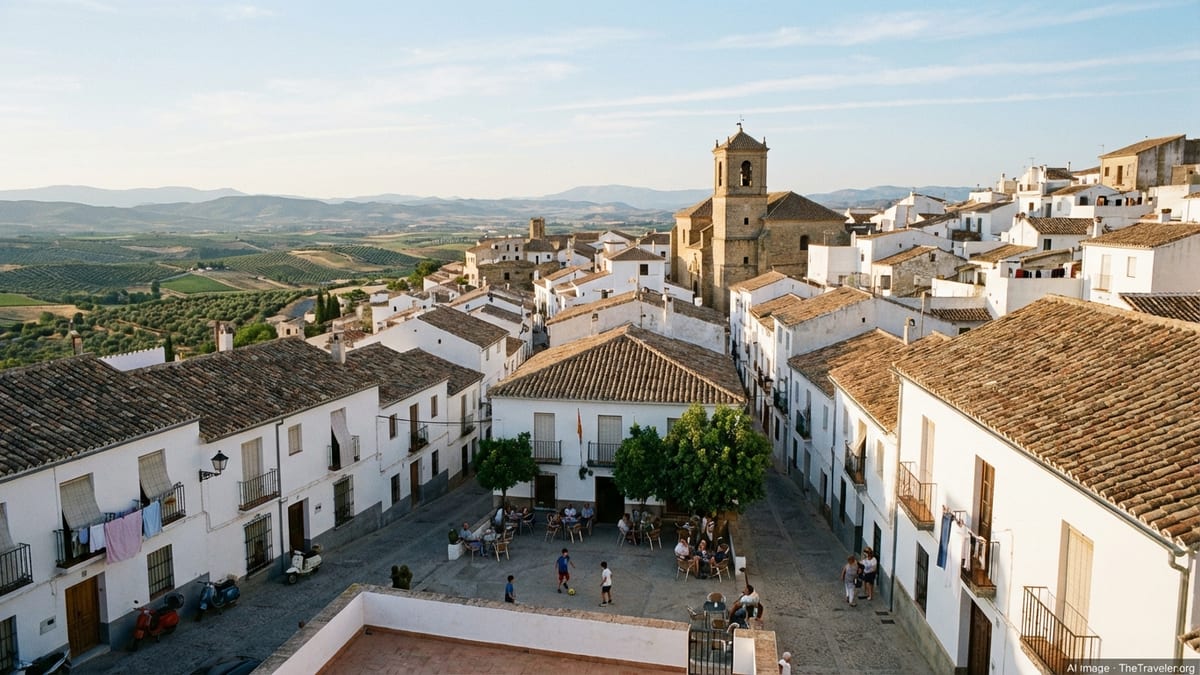
Inland, the province of Jaén remains largely off the international radar despite its central role in Spain’s olive oil production and its dramatic Renaissance towns. Úbeda and Baeza, two small cities set among endless olive groves, share UNESCO World Heritage status for their remarkably preserved palaces and churches. Their stone streets are quiet outside local festivals, and there is a strong sense of continuity between historic façades and everyday life. Nearby sierras offer hiking, castle ruins and sweeping views across the groves, especially evocative at sunset when the landscape shifts toward a palette of muted greens and golds.
To the east, Almería province edges into semi-desert, with the Cabo de Gata natural park protecting a stretch of arid hills, volcanic outcrops and coves that feel worlds apart from the built-up Costa del Sol. Small white villages such as San José and Agua Amarga offer simple hotels, beach-front chiringuitos and access to walking paths that reveal quiet bays with little infrastructure beyond a fishing boat or two. This part of Spain rewards travelers who appreciate wide open views and are comfortable with a more stripped-back, nature-first experience.
Inland Heartlands: Aragón, Castilla and Extremadura
Much of Spain’s interior is a high plateau punctuated by rivers, sierras and walled towns that once guarded trading routes. For years, many foreign visitors simply crossed this landscape en route between coasts and cities, but improved rail links and a growing interest in quieter, culturally rich destinations have begun to change that. Regions such as Aragón, Castilla y León, Castilla-La Mancha and Extremadura are still low on international tourism relative to their size, which allows for a gentler pace and a strong sense of place.
Aragón, between Catalonia and Navarra, has seen visitor numbers climb while still feeling far from overrun. Zaragoza, its capital, mixes Roman remains, a riverside basilica and lively tapas streets with a student-driven nightlife. Outside the city, landscapes shift quickly toward dramatic rock formations, river canyons and Pyrenean foothills. Castle-topped villages like Loarre and Alquézar provide atmospheric bases for hiking, canyoning and exploring centuries-old stone architecture. The region has invested in promoting outdoor activities, so marked trails and local guides are increasingly easy to find.
Castilla y León, north of Madrid, is a mosaic of medieval cities, wine regions and open countryside. Places like Segovia, Salamanca and Burgos feature monumental cathedrals and university buildings, but just beyond their historic centers lie vineyards, Romanesque churches and small towns where long lunches still anchor the day. Traveling by rail between these cities is straightforward, and from each one you can branch out by bus or rental car to discover villages with arcaded squares and local fiestas that rarely make international headlines.
To the west, Extremadura has long been one of Spain’s best-kept secrets. Sharing a border with Portugal, it offers Roman ruins in Mérida that rival those of more famous sites, a perfectly preserved medieval quarter in Cáceres and rolling dehesa landscapes where cork oaks shelter grazing pigs and seasonal birdlife. Rural tourism initiatives here often focus on food, nature and history, with restored farmhouses, small inns and guided birdwatching or stargazing excursions. For travelers seeking to understand Spain beyond its coastal image, a few days in Extremadura can be quietly transformative.
Coasts and Islands With a Different Rhythm
The words “Spanish coast” tend to conjure images of crowded resort strips, but large stretches of shoreline still feel refreshingly low-key, especially if you are willing to travel outside peak weeks or stay in smaller towns. On the Atlantic side, the Costa de la Luz runs from Cádiz province toward the Portuguese border, mixing long sandy beaches with dune systems and pine forests. Towns like Conil de la Frontera or Zahara de los Atunes draw a mix of families, surfers and food-focused travelers, many of whom return year after year for the combination of relaxed atmosphere and excellent local cooking.
On the Mediterranean, lesser-known corners of the Valencian Community and Murcia offer alternatives to the more intensively built-up stretches. Small ports and historic inland towns sit within easy reach of the sea, allowing you to split time between beaches and older quarters of stone houses and baroque churches. These regions tend to attract a higher proportion of Spanish vacationers than international visitors, particularly in June and September when the weather remains warm but the school-holiday crowds thin out.
Spain’s islands, too, have sides that rarely feature in package brochures. In the Balearics, Mallorca’s interior is laced with dry-stone walls, orchards and mountain villages that feel far removed from the busy resort bays. Base yourself in a town like Sóller or Pollença and you can spend your days hiking in the Tramuntana range or cycling rural lanes, pausing in village squares for coffee and almond cakes. Even on better-known Ibiza and Menorca, staying inland or on quieter northern and western coasts reveals slower rhythms of agricultural life and community festivals.
In the Canary Islands, beyond the famous beaches and resort complexes, lie volcanic national parks, laurel forests and highland hamlets that reward hikers and stargazers. Islands such as La Palma, La Gomera and El Hierro cater more to nature lovers than nightlife seekers, with marked trail networks, small-scale accommodation and observatories that take advantage of clear Atlantic skies. Choosing these destinations brings you into contact with local businesses that have often built their livelihoods around sustainable forms of tourism.
Getting Around: Trains, Buses and Slow Travel
Spain’s transport network is one of the strongest arguments for exploring beyond the obvious hubs. High-speed trains radiate from Madrid and connect with cities across the north, south and east, while a web of conventional rail lines and regional buses fill in the gaps between mid-sized cities and rural areas. Competition between operators on many routes has gradually pushed prices down and increased frequency, particularly along key high-speed corridors.
New rail connections and rolling-stock investments continue to extend the reach of fast services into previously harder-to-access regions, including routes linking Madrid with Galicia and the northern coastal cities. At the same time, intercity trains known as Alvia and similar services use tracks that can handle both standard and Iberian gauges, allowing them to combine long stretches of high-speed travel with access to older lines. For travelers, this means you can cover substantial distances efficiently and still arrive close to historic centers rather than peripheral airports.
Buses remain essential for reaching smaller towns, especially in mountainous or sparsely populated areas. Many provincial capitals operate modern bus stations with clear information and luggage storage, and advance-booking platforms make it easier to compare schedules and prices. Journey times can be longer than equivalent train routes, but buses typically reach town centers directly, which is convenient when you are moving with luggage or traveling without a car. Renting a vehicle is most useful in areas with scattered villages or limited public transport, such as parts of rural Andalucía or interior Galicia.
A growing emphasis on sustainability has encouraged both authorities and travelers to prioritize slower, lower-impact modes of transport. Long-distance walking routes, cycling itineraries and rail-based journeys fit well with this shift. Many operators now promote point-to-point hiking across the Pyrenees, the Camino de Santiago network and interior greenways that follow disused railway lines. Building extra time into your itinerary not only reduces travel stress but also allows you to adapt to local rhythms, whether that means late dinners in northern Spain or afternoon closures in quieter inland towns.
Cultural Immersion, Food and Local Etiquette
Venturing beyond Barcelona and Madrid increases your chances of encountering everyday Spanish life with fewer filters. Language can be more of a factor in smaller places, where English is less widely spoken than in major tourist centers, but patience and a handful of Spanish phrases open many doors. Locals generally appreciate efforts to greet, order and thank in their own language, even if you switch back to English when you reach your limits. Regional languages such as Catalan, Basque and Galician remain important in many communities, but Spanish will typically suffice for visitors.
Food is a key route into understanding local culture. In northern regions, bars offer counters filled with pintxos or raciones, small portions designed for sharing. Inland areas might lean more on grilled meats, stews and hearty soups, while coastal zones place fish, shellfish and rice dishes at the center of the table. Many smaller towns still follow a strong lunchtime culture, with a set-price midday menu that can be one of the best-value ways to eat well. Dinner usually starts later than in many other countries, often after 9 pm, although in very small villages you may need to adapt to what local restaurants offer.
Local markets are another window into daily life. Cities and market towns typically host covered halls where residents shop for produce, cured meats, cheeses and seafood. Visiting in the morning provides a sense of what is in season and how people shop, and some markets now pair traditional stalls with small bars or food corners where you can sample dishes prepared on the spot. When browsing, it is standard to let stallholders select items for you rather than handling produce yourself, and a simple greeting before placing orders is always welcome.
Respectful behavior in smaller communities goes a long way. Dress codes are generally relaxed, but covering up slightly when visiting churches or very traditional towns is appreciated. Noise carries in narrow historic streets, so keeping late-night conversations reasonable earns goodwill. In rural and coastal areas, pay attention to signs about protected dunes, wildlife areas or agricultural land, and follow local guidance about water use during dry periods. Showing sensitivity to these concerns helps ensure that the benefits of tourism are felt locally without overwhelming resources.
Planning Your Route and Timing Your Trip
Designing an itinerary that goes beyond Barcelona and Madrid starts with choosing a few anchor regions rather than trying to crisscross the entire country. Spain is large, and although high-speed trains shrink distances between major cities, secondary routes and rural areas still take time to reach. A two-week trip might sensibly combine, for example, the Basque Country and Asturias, or Andalucía with Extremadura and a slice of the Costa de la Luz. With three weeks or more, you could add an island or a northern city to balance the journey.
Seasonality matters, especially outside the big cities. Coastal areas on both the Atlantic and Mediterranean fill up in July and August, when Spanish schools are on holiday and many families head for the beach. Inland regions can be very hot at this time, particularly in southern and central Spain. Late spring and early autumn often offer the best compromise between pleasant temperatures and fewer crowds, though the north can see more rain. Winter can be atmospheric in historic cities and mountain areas, with quieter streets and the possibility of snow in higher elevations, but some coastal and rural businesses may reduce hours.
Booking strategies also shift outside the main tourist centers. While major cities and popular resorts often require advance reservations for accommodation and certain sights, smaller towns may allow more flexibility outside peak dates. That said, local festivals can fill every bed in a province, so checking event calendars and securing rooms around major holidays is wise. Rural guesthouses and agritourism properties sometimes prefer direct reservations, and their owners can be valuable sources of information on nearby walks, viewpoints and restaurants.
Finally, think about pacing in terms of how often you change bases. Packing and moving every day or two can be tiring anywhere, but it is particularly counterproductive in regions where the real charm lies in lingering. Building in stays of at least three nights in key places allows time for both planned excursions and unscripted wandering. It also increases your chances of memorable interactions, whether that is chatting with a market vendor who recognizes you on your second morning or being tipped off to a viewpoint or bakery that never appears in guidebooks.
The Takeaway
Looking beyond Barcelona and Madrid does not mean ignoring them. Instead, it means treating them as part of a broader Spanish story, one that includes Atlantic fishing towns, olive-clad hills, high plateaus and island villages where tourism remains in balance with local life. The country’s evolving transport network, growing emphasis on sustainable, experience-rich travel and the quiet efforts of smaller communities to welcome visitors all support journeys that are both practical and deeply rewarding.
If you give yourself the time and curiosity to explore, Spain reveals an exceptional diversity of landscapes and cultures within relatively short distances. You might wake to church bells in a Castilian town, eat lunch overlooking green northern cliffs and finish the day tasting sherry in a seaside tavern. What unites these experiences is a sense of continuity between past and present, where historic architecture and longstanding culinary traditions remain part of everyday life rather than museum pieces.
In the end, the most satisfying Spanish itineraries are less about ticking off marquee sights and more about finding a personal rhythm. That could mean following a rail line to an unfamiliar city, lingering in a market square with a coffee, or walking coastal paths between villages that still feel resolutely local. Step away from the capital and the Catalan coast, and you will discover that Spain’s greatest treasures often lie just beyond the usual map.
FAQ
Q1. Is it realistic to explore Spain beyond Barcelona and Madrid without renting a car?
Yes, it is realistic. High-speed and regional trains, plus extensive bus networks, connect many smaller cities and towns. In more remote rural areas a car can help, but you can design entire itineraries around rail-accessible destinations and short bus hops.
Q2. Which lesser-known Spanish regions are best for a first-time visitor?
Good starting points include the Basque Country and Asturias for green landscapes and coastal towns, Andalucía beyond its big three cities for history and beaches, and Castilla y León for medieval cities paired with wine regions and open countryside.
Q3. When is the best time of year to visit Spain’s inland regions?
Late spring and early autumn are usually the most comfortable, with warm days and cooler nights. High summer can be very hot away from the coasts, while winter can be atmospheric but cooler and quieter, with shorter daylight hours.
Q4. How many bases should I plan for a two-week trip beyond Barcelona and Madrid?
For two weeks, three or four bases work well. Staying at least three nights in each place reduces travel fatigue and lets you combine day trips with time to wander and settle into the local rhythm.
Q5. Are smaller Spanish cities and rural areas safe for solo travelers?
In general, yes. Smaller cities and rural areas tend to feel safe, especially if you follow normal precautions such as being aware of your surroundings, looking after belongings and avoiding poorly lit areas late at night.
Q6. Will I need to speak Spanish to travel beyond the major tourist centers?
Basic Spanish is very helpful outside big cities, as English is less widely spoken. Learning simple phrases for greetings, ordering food and asking directions will make everyday interactions smoother and often more welcoming.
Q7. How can I make my trip more sustainable when visiting lesser-known regions?
Favor trains and buses over flights and long car journeys where possible, stay longer in each place, support local businesses by eating and shopping in independent establishments and respect local guidelines on water use, protected areas and noise.
Q8. Are there good options for walking and cycling holidays away from the coasts?
Yes. Inland sierras, the Pyrenees, the Camino de Santiago routes and various greenways along former railway lines offer marked paths. Many regions now work with operators and guides who specialize in walking and cycling itineraries.
Q9. How far in advance should I book accommodation in smaller towns?
Outside peak summer and major local festivals, you often have some flexibility, but it is still sensible to book at least the first night or two. During holidays or big events, rooms can sell out quickly, so checking calendars and reserving early is wise.
Q10. What should I keep in mind about local meal times and daily routines?
Lunch is typically the main meal, eaten mid-afternoon, and many shops close for a few hours afterward, especially in smaller towns. Dinner often starts late by international standards, so planning a snack or light meal between sightseeing and a restaurant booking can help you adjust.