

The Iberian Peninsula offers two of Europe’s most rewarding destinations, sitting side by side yet delivering distinctly different travel experiences. Spain is big, bold and endlessly varied, while Portugal feels quieter, more compact and slow-paced. If you only have time or budget to choose one for your first visit, weighing up culture, costs, crowds and logistics can help you decide whether your debut Iberian adventure should begin in Spain or Portugal.
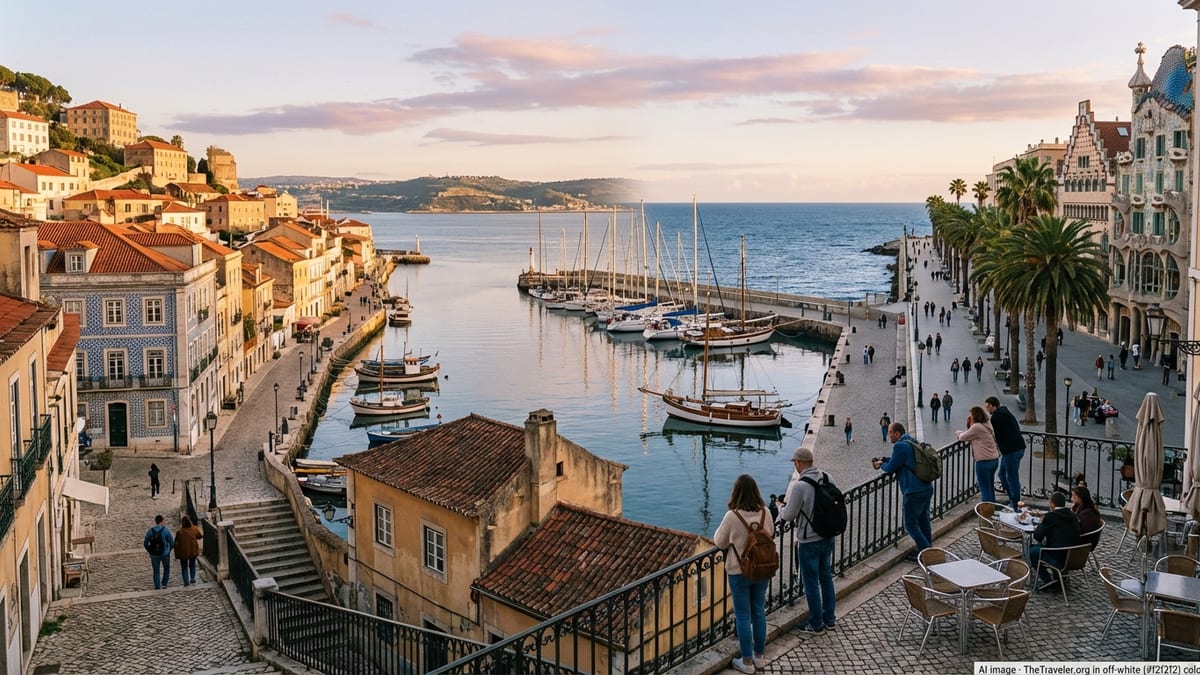
Big Picture: How Spain and Portugal Feel Different
Spain and Portugal share a border, sunshine, and a laid-back Mediterranean mindset, but the overall feeling on the ground is not the same. Spain is larger, more populous and more diverse in landscapes and cultures, from the green north of Galicia and the Basque Country to the deserts of Almería and the volcanic Canary Islands. Major cities like Madrid and Barcelona feel fast, urban and cosmopolitan, often buzzing late into the night with festivals, nightlife and crowded streets.
Portugal, by contrast, tends to feel gentler and more intimate. The country is smaller, coastal for much of its length, and anchored by just a few main hubs such as Lisbon, Porto and the Algarve. Even in Lisbon, the pace is slower than Madrid or Barcelona, and outside the capital, you quickly slip into towns where life revolves around the local café, the morning market and the rhythm of the Atlantic.
For a first-time visitor, this difference in scale matters. Spain rewards a longer trip with time to hop between several regions by train or plane. You could easily spend two weeks and still feel you have only scratched the surface. Portugal, on the other hand, is easier to “do” in one go. In 10 to 14 days you can realistically sample Lisbon, Porto, the Douro Valley and the Algarve without constant rushing. If you prefer a broad, high-energy sampler of Europe, Spain might be the better first stop. If you want something more compact and relaxed, Portugal has the edge.
Costs, Crowds and Safety: Practical Comparisons
Both Spain and Portugal are generally more affordable than northern Europe, but Portugal is often slightly cheaper overall, particularly outside peak summer. Average accommodation, dining and local transport costs tend to be lower in Lisbon and Porto than in Barcelona or Madrid, and rural or smaller-town Portugal can offer especially good value. Spain still represents solid value compared with cities such as Paris or Amsterdam, but its most famous hotspots now attract record visitor numbers, pushing up prices in summer and during festivals.
Crowd levels are increasingly a key differentiator. Spain has been setting tourism records, with tens of millions of international arrivals in recent years and sharp spikes in July and August. Popular areas such as Barcelona, the Balearic Islands and parts of Andalusia now see very high summer density, and local authorities in cities like Barcelona and Málaga have begun tightening rules on short-term rentals and tourist behavior to manage overtourism and housing pressure. Protests in several Spanish cities and islands since 2024 highlight local frustration with uncontrolled visitor numbers, especially in peak season.
Portugal also faces growth in visitor numbers, especially in Lisbon and the Algarve, but the intensity still feels lower than Spain’s biggest hotspots. That said, Lisbon’s historic neighborhoods and the beaches of the Algarve can be very busy in July and August, so shoulder-season travel is still advisable if you dislike crowds. In terms of personal safety, both countries are generally safe for visitors. Independent rankings such as the Global Peace Index usually place Portugal among the world’s safer nations, with Spain somewhat lower but still within the safer tier of destinations. In both places, the main risks are petty crime and pickpocketing in busy tourist zones rather than violent crime.
For a first visit, this means Portugal may offer a slightly calmer experience with marginally lower costs and fewer crowd-related frustrations, especially if you stay in smaller towns or travel outside high summer. Spain delivers more variety and big-city excitement, but you will need to plan more carefully around busy dates and crowded areas if you prefer a quieter trip.
Culture, Food and Nightlife: Which Vibe Fits You?
Culture is where Spain and Portugal both shine, but the flavors are distinct. Spain is famous for its exuberant public life: tapas bars packed until late at night, flamenco shows in Andalusia, pintxo crawls in the Basque Country, and a heavy calendar of festivals and local ferias. Iconic art and architecture await in almost every region, from Gaudí’s surreal creations in Barcelona to the Moorish palaces of Granada, Córdoba and Seville. If you love museums, performance, and a street scene that rarely sleeps, Spain can feel like an open-air festival.
Portugal offers a moodier, more introspective cultural experience. In Lisbon’s Alfama and Bairro Alto neighborhoods, traditional fado music spills from tiny venues, with melancholic songs that match the country’s concept of saudade, a kind of soulful longing. Porto’s riverfront and old warehouses showcase a maritime and trading history, while small towns such as Évora, Óbidos and Coimbra deliver medieval lanes, azulejo tilework and university traditions. Compared with the extroversion of Spain’s big cities, Portuguese culture feels more intimate, often unfolding at café tables, neighborhood taverns and village festivals.
The food question is equally decisive. Spain’s culinary scene is hugely varied, from seafood-heavy Galician menus and Basque fine dining to Andalusian gazpacho and the classic paella of Valencia. Tapas culture makes it easy to sample multiple dishes in one night, and vegetarians now find more options than in the past, especially in major cities. Portugal’s cuisine revolves around the Atlantic: grilled sardines, cod in dozens of preparations, seafood stews and simple grilled fish. You will also encounter hearty soups, rustic stews, and the now-famous pastel de nata custard tarts. Portuguese portions are often generous and prices generally friendlier than in the most touristed Spanish neighborhoods.
Nightlife is another point of divergence. Spanish cities are legendary for going late, with locals often starting dinner at 9 or 10 pm and bars and clubs staying busy well into the small hours. This can thrill night owls but overwhelm travelers used to earlier schedules. Portugal has nightlife too, particularly in Lisbon, Porto and coastal resort towns, but many places wind down earlier and the overall energy is gentler. If you dream of tapas crawls and music-filled midnight squares, Spain should probably be your first stop. If you prefer lingering wine bars, fado sessions and coastal evenings, Portugal might suit you better.
Landscapes, Beaches and Outdoor Experiences
For outdoors-focused travelers, both countries are strong contenders. Spain’s sheer size creates more diversity in landscapes and climate zones. You can ski in the Pyrenees in winter, hike in the Picos de Europa, drive across the plains of Castile, or surf along the north and Atlantic coasts. The Balearic Islands offer turquoise coves, while the Canary Islands in the Atlantic provide volcanic scenery, black-sand beaches and year-round mild weather ideal for winter sun.
Portugal’s geography is more compact but still full of variety. The Atlantic coastline runs almost uninterrupted from the Spanish border in the north down to the Algarve in the south, delivering dramatic cliffs, surfing beaches and sheltered coves. The Algarve is a major beach destination, but the west coast north of Lisbon sees fewer crowds and more wild, windswept scenery. Inland, the Douro Valley offers terraced vineyards along a winding river, while the Alentejo region features rolling plains, cork forests and fortified hill towns.
In practical terms, first-time travelers who prioritize beaches and coastal scenery will be happy in either country. Spain’s Mediterranean coast and islands are ideal if you want warmer summer seas and a classic resort feel, although you will likely encounter more crowds and built-up resort strips. Portugal’s Atlantic coast has slightly cooler water but feels more rugged and less developed in many areas, especially outside the Algarve’s main resort clusters. Surfers and hikers often gravitate to Portugal’s west coast, while families seeking poolside resorts plus city excursions may lean toward Spain’s Costa del Sol or Balearic Islands.
If you hope to combine outdoor adventure with cultural cities in a short trip, Portugal’s scale can be a real advantage. From Lisbon, you can reach surf beaches, palace-dotted Sintra, wine country or the Alentejo within a few hours. In Spain, distances between major regions can be much longer, and while fast trains help, you will need more days to cover similar ground.
Getting Around, Entry Rules and Travel Logistics
Both Spain and Portugal are part of the Schengen Area, so for most non-EU travelers the same basic entry rules apply. Visitors from many countries, including the United States and Canada, are typically allowed short stays of up to 90 days within any 180-day period across the entire Schengen zone. That means time spent in Spain counts against the same 90-day allowance as time spent in Portugal. The European Union’s Entry/Exit System, which is rolling out biometric checks such as fingerprint and facial scans at external borders, is being implemented in both countries to streamline and track arrivals and departures more closely. Over the coming years, an additional electronic travel authorization system is expected to be required for visa-exempt travelers.
On the ground, Spain has a more extensive high-speed rail network, which makes long-distance travel between major cities relatively quick. Fast trains link Madrid with Barcelona, Seville, Málaga, Valencia and other hubs, often in just a few hours. There are also frequent domestic flights connecting the mainland with the Balearic and Canary Islands. However, local bus networks sometimes handle smaller towns more effectively than trains, and car rental can be the most flexible way to explore rural areas and coastlines.
Portugal’s train network is smaller but adequate for many travelers, connecting Lisbon with Porto, Coimbra, the Algarve and some interior cities. Intercity buses fill in many gaps and are generally comfortable and affordable. Because the distances are short, a rental car can be particularly convenient in Portugal, allowing you to combine city visits with detours into wine country or quieter coastal stretches without long driving days.
In terms of arrival logistics, Spain has multiple major international gateways, including Madrid, Barcelona and Málaga, often with more long-haul flight options than Portugal. Lisbon and Porto still receive a healthy number of direct flights from North America and other regions, but choice may be more limited, particularly in low season. If you are flying from farther afield and want maximum flight flexibility or to add connections to other European cities, Spain’s airports can be an advantage. For travelers who prefer a simpler trip with fewer internal moves, Portugal’s compact size can make planning and logistics feel easier from day one.
When to Go: Seasons, Weather and Peak Periods
Weather and timing can strongly influence whether Spain or Portugal makes more sense for your first trip. Both countries enjoy plenty of sunshine, but regional differences in Spain are pronounced. Southern Spain, including much of Andalusia, can be extremely hot in July and August, with daytime temperatures regularly soaring, which can make city sightseeing uncomfortable. Coastal areas along the Mediterranean and the islands are more moderated by sea breezes but still very busy in mid-summer.
Portugal, sitting on the Atlantic, tends to have milder summers overall, although inland regions and the Algarve can still be hot. Coastal breezes often keep Lisbon and much of the west coast more manageable in July and August than some interior Spanish cities. Winters in Portugal are typically mild and damp along the coast, with more sunshine in the Algarve. In Spain, winters vary: the south and Mediterranean coasts can be pleasant, while interior and northern regions see cooler, sometimes cold, conditions.
For both countries, shoulder seasons such as April to early June and September to October are often the sweet spot, bringing warm but not oppressive temperatures, more manageable prices and fewer crowds. In Spain, these periods are particularly attractive for city touring, wine regions and inland road trips. In Portugal, they are ideal for combining Lisbon or Porto with coastal drives and vineyard visits. If you are locked into peak summer travel, Portugal’s milder Atlantic influence and generally smaller-scale cities might make it feel slightly more comfortable as a first destination.
Major events and holidays also matter. Spain’s calendar includes famous festivities such as Semana Santa in Andalusia and numerous regional ferias and fiestas, which can be unforgettable but can also strain accommodation availability and raise prices. Portugal has its own celebrations, such as the June Santo António and São João festivals in Lisbon and Porto, which add atmosphere without quite the same level of crowd pressure as Spain’s largest events. If you want your first trip to coincide with a major festival, Spain offers more headline options. If you prefer to avoid intense spikes in visitor numbers, Portugal may be easier to navigate.
The Takeaway: Which Country Should You Choose First?
Deciding whether to visit Spain or Portugal first largely comes down to your travel style and how much energy you want to invest in your debut Iberian adventure. Spain is the choice for travelers who crave variety, scale and spectacle. You will find blockbuster cities, world-famous museums, flamenco and festivals, dramatic architecture and a patchwork of distinct regions that feel almost like different countries. With more major airports and high-speed trains, Spain also works well as a hub for longer, multi-country European itineraries.
Portugal, on the other hand, is ideal if you want something more contained, relaxed and approachable. It offers enough cultural depth and scenic variety to feel rich and memorable, but its smaller size and slightly lower prices make it less intimidating for a first-time visitor to Europe. You can base yourself in just a couple of cities and still weave in beaches, vineyards and historic towns without constantly changing hotels or enduring long transit days.
If you have at least two weeks, a higher tolerance for crowds and a desire to tick off several iconic European sights, starting in Spain may be the right move. For a shorter trip, a gentler budget, or a first overseas journey where you want to minimize stress, Portugal is often the smarter introduction to Iberia. The good news is that whichever country you visit first, you are almost certain to leave planning when you can return to explore the other side of the border.
FAQ
Q1. Is Spain or Portugal cheaper for a first-time visitor?
Portugal is generally a bit cheaper for accommodation, dining and local transport, especially outside peak summer and in smaller towns, while Spain’s most popular cities can be more expensive.
Q2. Which country is better if I hate crowds?
Portugal usually feels less crowded overall, though Lisbon and the Algarve are busy in summer. In Spain, hotspots like Barcelona, the Balearic Islands and parts of Andalusia can be extremely crowded in July and August.
Q3. Where should I go first if I only have one week?
With just one week, Portugal is often easier, as you can combine Lisbon, a day trip to Sintra and perhaps Porto or the Algarve without rushing long distances.
Q4. Is Spain or Portugal safer for solo travelers?
Both are generally safe, especially compared with many global destinations. Portugal typically ranks among the world’s safer countries, while Spain is also considered safe, with petty theft the main concern in busy tourist areas.
Q5. Which is better for beaches, Spain or Portugal?
Spain offers warmer Mediterranean waters and many resort areas, while Portugal has a dramatic Atlantic coastline with slightly cooler seas and a more rugged, less developed feel outside the main resorts.
Q6. Do I need different visas to visit both Spain and Portugal?
No. Both are in the Schengen Area, so most non-EU travelers use the same Schengen rules. Time spent in either country counts toward the same 90 days in any 180-day limit.
Q7. Which country has easier public transport for tourists?
Spain has a more extensive high-speed rail network linking major cities quickly. Portugal’s network is smaller but its compact size and good buses make it straightforward for most first-time itineraries.
Q8. Where will I find better vegetarian and vegan options?
Both countries are improving, but larger Spanish cities like Barcelona and Madrid tend to offer more dedicated vegetarian and vegan restaurants, while in Portugal options are growing but can be more limited in small towns.
Q9. Is language a big barrier in Spain or Portugal?
In both countries, you will find English spoken in most tourist areas, hotels and many restaurants. Outside major centers, fewer people speak English, but basic phrases in Spanish or Portuguese go a long way.
Q10. If I plan to visit both, which should I see first?
If you prefer a gentle introduction, many travelers start with Portugal’s smaller scale and calmer pace, then tackle Spain’s larger cities and diverse regions on a later trip when they feel more confident.