

More news on this day
Spain’s decision to pursue an average annual increase of €0.43 per passenger in airport charges from 2027 to 2031 is sparking a fierce fight between airports, airlines and regional tourism leaders, who warn that even a modest fee hike could reverberate through ticket prices, flight routes and visitor numbers by the end of the decade.
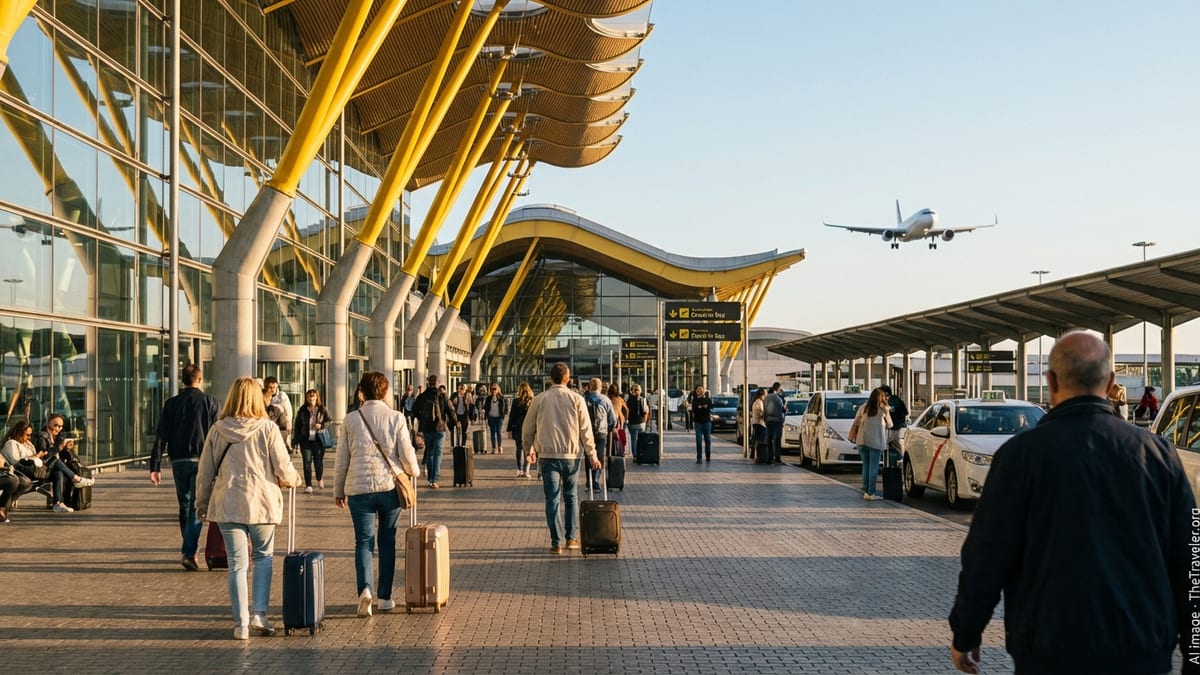
What Spain’s €0.43 Airport Fee Hike Actually Means
The state-controlled airport operator Aena this week unveiled a new regulatory blueprint for 2027 to 2031 that would see airport charges rise by an average of €0.43 per departing passenger each year. That translates into a cumulative increase of around 3.8 percent annually on current regulated income per traveller, and it comes on top of a sharp 6.44 percent jump in fees already approved for 2026. While the operator frames the new rise as modest in absolute terms, airlines and tourism businesses say the signal it sends on costs is anything but small.
Under the proposal, the headline figure of €0.43 is an average across Spain’s airport network. Aena stresses that individual airports will see differentiated adjustments, with smaller and regional facilities facing lower increments and the largest hubs absorbing a bigger share. Nevertheless, for consumers, the message is clear: after nearly a decade of frozen charges that kept fees among the lowest in Europe, Spain is entering a multi year cycle in which airport costs will steadily climb.
The increase is embedded in the country’s third Airport Regulation Document, known as DORA III, which will govern investment, operating costs and tariff evolution from 2027 to 2031. The document still needs clearance from several national regulators and, ultimately, from the Spanish cabinet, but the broad contours are now set. Unless substantially revised, the framework will underpin the price of using Spanish airports for both domestic and international airlines for the rest of the decade.
A Massive Investment Plan Driving Higher Charges
The main justification for the higher fees lies in Aena’s planned spending spree. The operator is proposing investment of close to 13 billion euros across its network during the 2027 to 2031 period, with roughly 10 billion of that classified as regulated investment financed directly by airport tariffs. It would more than triple the capital expenditure of the current regulatory cycle, reflecting what Aena describes as a new phase of capacity expansion after years of running down infrastructure built in the early 2000s.
Core projects include major upgrades at Madrid Barajas and Barcelona El Prat, where terminals and airfield infrastructure are nearing their capacity limits after a strong post pandemic rebound. Additional works are earmarked for popular holiday gateways such as Málaga, Alicante, the Canary Islands and the Balearic Islands, as well as modernisation and safety enhancements across dozens of smaller regional airports. Aena argues that without new investment, bottlenecks could eventually cap Spain’s ability to accommodate rising visitor numbers.
In its latest communication, the operator insists that an average annual rise of €0.43 keeps its charges at “highly competitive” levels compared with other European hubs while still funding the scale of upgrades being considered. Executives also highlight that airport charges fell in real terms over the last decade, even as passenger numbers surged to record highs, and say some form of catch up is now inevitable if Spain is to maintain service quality and expand its capacity for future demand.
Critics, however, contend that the investment envelope is being used to justify unnecessary price increases and to preserve generous shareholder returns. Aena remains one of Spain’s most profitable listed companies, and under the current plan it expects to maintain a high dividend payout ratio. For airlines facing thin margins and volatile fuel costs, the prospect of absorbing steadily rising airport bills is deeply unwelcome.
Airlines Push Back, Warning of Route Cuts and Higher Fares
Airlines represented by the Spanish Airline Association ALA and by the International Air Transport Association reject the fee plan outright. They argue that instead of raising tariffs by 3.8 percent per year between 2027 and 2031, charges should actually fall by around 4.9 percent annually once inflation is stripped out. In their view, robust traffic growth and earlier underestimation of demand have already delivered Aena returns far above what regulators intended, leaving scope to keep fees flat or lower without compromising investment.
Industry groups point to traffic figures between 2017 and 2025, excluding the pandemic years, which were consistently higher than the demand forecasts underpinning previous regulatory periods. They say this forecasting gap translated into roughly 1.3 billion euros in “excess” regulated returns that ultimately came from airlines and, indirectly, from passengers. In 2024 alone, Aena’s regulated return reportedly reached double digits, several percentage points above its target.
Carrier associations warn that if the new fee path is approved as proposed, the impact on their cost base will be significant, particularly when combined with the 6.44 percent rise already locked in for 2026. While an extra 43 cents per passenger may appear negligible, the effect multiplies rapidly over tens of millions of seats, especially for low cost airlines that compete on razor thin margins and sell large volumes of budget fares to Spain’s holiday markets.
Executives have hinted that sustained cost pressure from airport charges could translate into capacity cuts at the margins, thinner winter schedules and the possible downgrading of certain regional routes if yields fail to keep pace. That in turn could leave some regions more exposed to seasonal swings in tourism demand and more dependent on a smaller pool of carriers willing to absorb higher charges.
From Tickets to Tourism: How Much Could Travellers Really Pay?
For individual travellers, the average increase of €0.43 per passenger per year might initially register as an almost imperceptible surcharge folded into the overall ticket price. In theory, on a single short haul flight to Spain, the new fee schedule would add only a handful of coins to the final fare. But industry analysts note that airport charges rarely operate in isolation, and that airlines often use structural cost increases as a catalyst to rebase pricing models.
The pattern is already visible ahead of 2027. Spain’s competition authority recently signed off on the 2026 increase, which will push maximum average airport income per passenger to just above 11 euros. Travel management companies expect this to result in modest headline fare rises on Spanish routes, but warn that dynamic pricing, peak season surcharges and ancillary fees can magnify the effect well beyond the nominal per passenger increment.
By the time the DORA III period gets under way, other cost factors are likely to be intersecting with the airport fee rise. The rollout of the European Union’s new travel authorisation and border systems is adding administrative charges and operational complexity for non EU visitors. Environmental measures, including sustainable aviation fuel mandates and carbon costs, are also set to nudge airline expenses higher. When layered together, these shifts could leave many leisure travellers paying noticeably more for a Spanish holiday by the end of the decade than they do today.
For families booking multiple return tickets or for long haul passengers connecting via Madrid or Barcelona, seemingly small increments can accumulate. A recurring pattern in the industry is that while regulatory documents talk in terms of cents and percentage points, consumers experience the change as a much larger jump when they finally search for flights in peak months such as August or around Easter.
Is Regional and Island Tourism at Risk?
The strongest alarm bells are ringing in Spain’s tourism dependent regions, particularly the Canary Islands and Balearic Islands, where flights are the only practical way in or out for most visitors. In southern Tenerife, a prominent business association this week publicly denounced the €0.43 proposal, arguing that “more fees mean more expensive tickets” and warning of reduced competitiveness against rival sun and sea destinations in the Mediterranean and beyond.
Local tourism leaders in island economies stress that any erosion in price competitiveness can have outsized effects on visitor flows, hotel occupancy and seasonal employment. Airlines facing higher airport bills at island gateways may seek to concentrate capacity on the most profitable routes or switch aircraft to alternative markets where costs are lower and yields higher. That could mean fewer direct services from certain regional cities in northern Europe and a greater reliance on connections through major hubs.
Smaller mainland airports serving coastal or rural areas are also watching developments closely. Aena has indicated that fee increases will be less pronounced at medium and small airports, but the detail has yet to be finalised. Regional governments, which often co invest in route promotion and marketing campaigns, fear that a steady rise in charges could undermine years of work to diversify Spain’s tourism map beyond the largest cities and traditional resort clusters.
Some analysts caution that the risk is not of a sudden collapse in tourism, but of a gradual shift in growth trends. If price sensitive travellers find cheaper alternatives in countries where airport and regulatory costs are rising more slowly, the relative gains Spain has enjoyed since the pandemic could taper off, particularly outside the most iconic destinations.
Competing Narratives: Who Really Benefits from Higher Fees?
The debate over Spain’s airport charges is increasingly framed as a clash of narratives between airlines and airport operators. Aena and its allies in the airport sector say charges have declined in real terms for a decade, even as airlines have increased airfares substantially since 2019. They argue that there is little evidence that reductions in airport charges are passed directly to consumers, and contend that carriers are primarily defending their own profit margins rather than passenger interests.
Airlines counter that competition in the low cost and leisure segments is intense, and that structural cost increases do eventually feed through into higher prices or reduced service. They point to the sharp expansion of budget capacity into Spain over the last 15 years, which helped make the country one of Europe’s most affordable short haul destinations. From their perspective, reversing that trend with a long run of annual fee hikes risks eroding a key pillar of Spain’s tourism success.
Regulators now face the task of assessing competing claims about traffic forecasts, investment needs and appropriate returns. Independent studies commissioned by airline groups suggest that passenger numbers could grow more quickly than Aena expects, generating enough revenue to support infrastructure projects without the proposed increases. Aena disputes those assumptions and warns that overoptimistic demand scenarios could leave it underfunded and airports underprepared if growth stalls.
Behind the technical arguments sits a broader policy question: how should the cost of maintaining and upgrading critical transport infrastructure be shared between private investors, airlines and the travelling public. Spain’s answer over the coming months will help determine whether its airports remain among the cheapest gateways in Europe or shift closer to the continental average.
What Travellers and the Industry Should Watch Before 2027
Although the average €0.43 increase is slated for the 2027 to 2031 period, critical decisions will be taken much sooner. In 2026, the DORA III document will move through several layers of review, including the civil aviation authority and the national competition regulator, before landing on the table of government ministers. All of these bodies have the power to request changes, soften the proposed path of charges or demand additional safeguards for airlines and consumers.
Airline groups are expected to keep up intense lobbying throughout this process, armed with data on traffic, profitability and the potential impact on connectivity. Regional governments and tourism boards, particularly in island and coastal regions, are also stepping up their interventions as they seek special consideration for airports that are lifelines for local economies. Business and hospitality associations are beginning to factor higher transport costs into their long term planning for hotel investments, conference bids and marketing budgets.
For now, most analysts say travellers planning trips in 2026 will feel the effect of the earlier 6.44 percent charge hike rather than the €0.43 increase still under negotiation. But by the time the new regulatory period begins, a series of incremental steps could have materially reshaped the cost structure of flying to and within Spain. Whether that ultimately “shatters” travel plans or merely nudges them in new directions will depend on how airlines, regulators and Aena balance their competing priorities over the next 18 months.
What is clear is that Europe’s most visited country is at a turning point in how it funds and prices its airport network. For travellers, tourism businesses and regional economies that have come to rely on abundant, low cost flights, the outcome of this quiet regulatory battle will be felt long after the technical debates over percentages and passenger forecasts have faded.