

More news on this day
Spain’s flagship tourism and hospitality trade fairs are entering 2026 with record-breaking participation and a marked increase in international engagement, reinforcing the country’s status as a global hub for the visitor economy.
Get the latest news straight to your inbox!
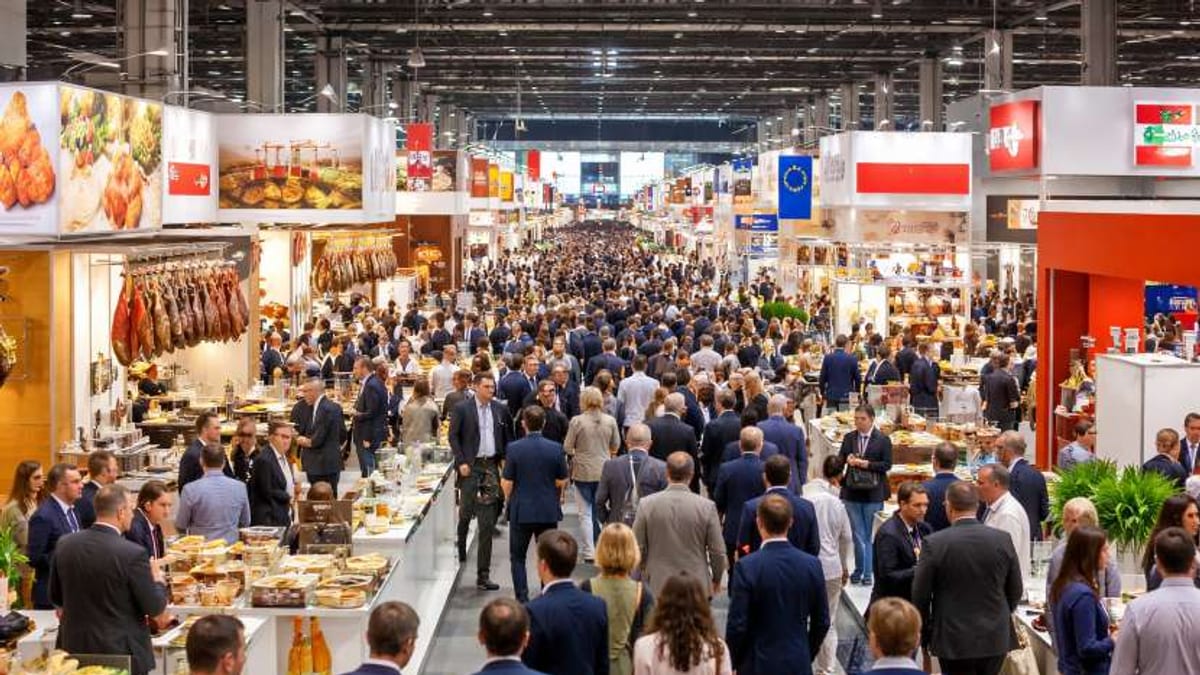
Image by Latest International / Global Travel News, Breaking World Travel News
Record Numbers Strengthen Spain’s Global Tourism Platform
Recent editions of the International Tourism Trade Fair in Madrid, widely viewed as Spain’s leading global hospitality and tourism marketplace, have reported some of the strongest metrics in the event’s history. Publicly available information shows that the 2026 edition brought together more than 10,000 companies and representation from over 160 countries and regions, with total attendance forecast to slightly exceed 255,000 visitors over five days.
Reports indicate that professional turnout has been particularly strong. The 2026 fair is estimated to have hosted more than 150,000 trade visitors, most of them from international markets across Europe, the Americas, the Middle East and Asia-Pacific. Organisers highlight that international participation has risen by double digits compared with the previous year, consolidating the event’s claim to be one of the world’s most global tourism and hospitality meetings.
The fair’s economic footprint also continues to expand. Data released by the exhibition centre in Madrid indicate that the 2026 edition is expected to generate an impact of more than 500 million euros for the regional economy, supported by hotel stays, transport, catering and associated services. This spending further cements the show’s importance for Spain’s broader hospitality sector, from city hotels and resorts to meetings and events suppliers.
Surge in International Delegations and Exhibitors
Across Spain’s major hospitality platforms, international delegations are increasing their presence both in exhibition space and in targeted buyer programmes. Coverage in Spanish business media notes that the 2025 edition of the Madrid tourism fair already approached pre‑pandemic records, attracting around 9,500 companies and close to 255,000 visitors, of whom 155,000 were professionals from all continents. The 2026 edition has now surpassed those benchmarks in both exhibitor numbers and geographic spread.
Government trade agencies and tourism boards from emerging and established destinations alike are expanding their stands, often grouping national carriers, hotel brands and regional promotion agencies under a single country pavilion. Recent invitations issued to companies in India, Latin America and the Middle East highlight the role of the Madrid fair as a preferred entry point into European and Spanish‑speaking markets, particularly for hospitality service providers seeking distribution and investment partners.
In parallel, Spain’s other major hospitality platforms are reporting similar trends. At Fira de Barcelona’s Alimentaria and Hostelco shows, which jointly cover food, beverages, foodservice and hospitality equipment, the next edition scheduled for March 2026 is being promoted with projections of a more than 40 percent increase in international participation compared with the previous gathering. Organisers state that companies from Italy, the United States, Latin America and Asia will drive much of this growth, reflecting strong demand for access to Southern Europe’s restaurant and hotel sectors.
Hostelco and Alimentaria Highlight Equipment and Foodservice Demand
Barcelona’s Hostelco fair, positioned as Spain’s leading international trade show for hospitality, catering and collective restoration equipment, is preparing its 22nd edition with an explicit focus on attracting foreign buyers and specifiers. Information published by the event indicates that it expects nearly 10,000 international professional visitors with decision‑making power in hotel chains, restaurant groups, contract catering and institutional foodservice.
The combined Alimentaria and Hostelco platform occupies almost the entirety of Fira de Barcelona’s Gran Via venue, with close to 100,000 square metres of net exhibition space in its most recent edition. Reports from 2024 showed participation by more than 3,200 exhibiting companies from 68 countries and around 108,000 professional visitors from 120 markets, underlining the depth of international engagement already achieved before the projected expansion in 2026.
Sector breakdowns show that the shows are increasingly important for suppliers of professional kitchen equipment, front‑of‑house solutions, technology, design and food and beverage innovation seeking to reach hotel and restaurant buyers in Western Europe and the Mediterranean. The five core areas of Hostelco, ranging from machinery and accessories to interior design and technology solutions, are being updated to reflect trends such as automation, energy efficiency and new formats in casual dining and accommodation.
Industry publications note that the organisers have significantly increased budgets dedicated to demand generation and hosted buyer programmes for the upcoming edition. The aim is to secure a higher volume of pre‑scheduled meetings between exhibitors and international hospitality decision‑makers, further intensifying the business focus of the event.
Partner Countries and Thematic Focus Expand Global Reach
The choice of partner countries at Spain’s leading hospitality and tourism events is contributing to the internationalisation momentum. For the 2026 tourism fair in Madrid, Mexico has been designated as partner country, a status that comes as Mexican tourism authorities report double‑digit growth in international arrivals and spending. The partnership is designed to showcase destinations and products across Mexico while leveraging Madrid’s role as a strategic hub connecting Europe and the Americas.
Elsewhere, thematic areas at the Madrid fair are being reshaped around global trends that matter to hotel groups and travel companies, including digitalisation, artificial intelligence, sustainable operations and inclusive tourism. Dedicated sections focused on tourism technology, talent development and women’s leadership in travel are attracting a diverse mix of international exhibitors and speakers, which in turn draws buyers looking for innovative solutions to apply across their hospitality portfolios.
The alignment with the broader recovery of global tourism is also significant. International organisations tracking travel flows report that worldwide tourist arrivals have surpassed pre‑pandemic levels, with more than 1.4 billion international trips recorded in 2025 and projections pointing to further expansion in 2026. This rebound is feeding directly into the trade fair ecosystem in Spain, where organisers highlight an intensified appetite for networking, knowledge exchange and deal‑making.
Implications for Spain’s Hospitality and Visitor Economy
The surge in international engagement at Spain’s hospitality and tourism trade shows is having visible knock‑on effects for the country’s hotels, venues and destinations. Madrid, Barcelona and other host cities benefit from the influx of high‑spending business travellers during fair periods, filling rooms at urban hotels and generating demand for restaurants, cultural attractions and transport services.
Beyond the immediate visitor spend, the growing scale of these events supports Spain’s positioning as a year‑round testbed for hospitality innovation. Publicly available figures for Spain’s national tourism performance in 2025 show visitor numbers and tourism revenues at or above previous records, and analysts often link this strength to the country’s ability to host large‑scale industry gatherings that connect local operators with global partners and investors.
For international hotel chains, tour operators and technology providers, Spain’s fairs are increasingly viewed as essential fixtures in the annual calendar, combining access to Iberian and Latin American markets with a broader European reach. With the Madrid tourism fair and Barcelona’s hospitality platforms both forecasting further growth in exhibitors and foreign attendance through 2026, indications are that Spain’s leading hospitality events will continue to deepen their international footprint and influence in the global visitor economy.