

More news on this day
Special trains have been deployed on the Katra–Banihal rail stretch of Jammu and Kashmir after massive landslides blocked the Jammu–Srinagar National Highway, stranding thousands of road passengers and disrupting travel patterns across India.
Get the latest news straight to your inbox!
Landslides Sever Kashmir’s Main Road Lifeline
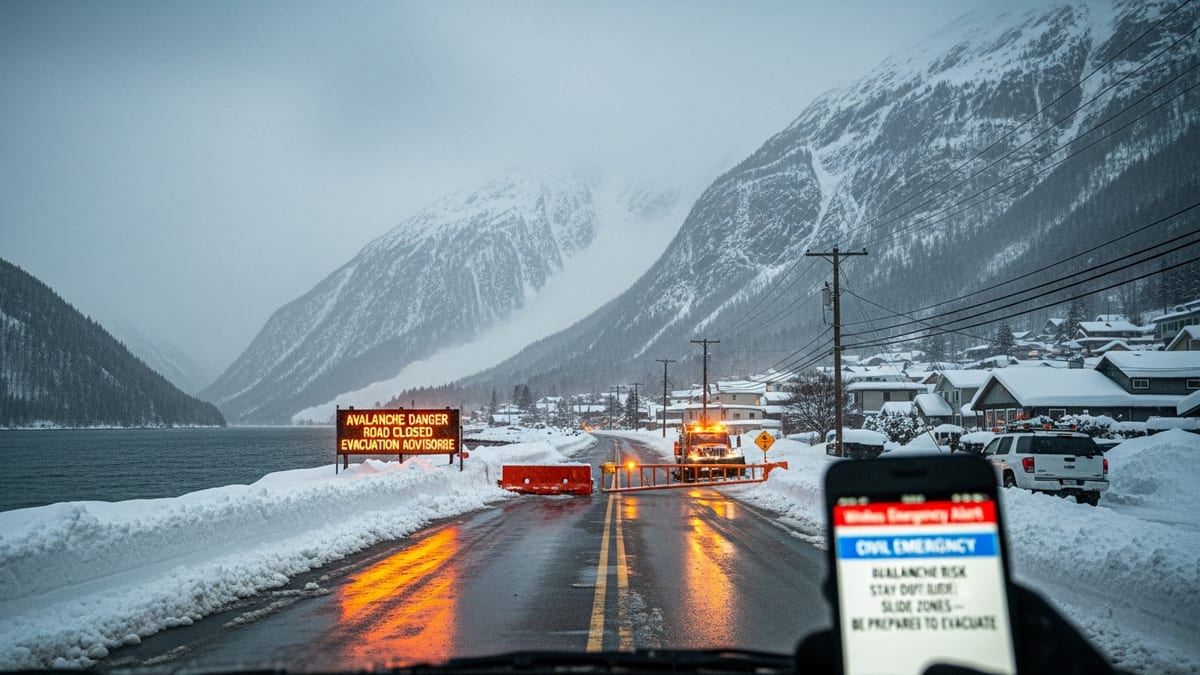
The latest spell of heavy rain in Jammu and Kashmir has triggered a series of landslides along the Jammu–Srinagar National Highway, particularly on the vulnerable Ramban–Banihal sector. Publicly available information shows that multiple slides and shooting stones forced an abrupt halt to traffic, with key stretches near Shalgadi and Chamlawas completely blocked for long periods.
The 270 kilometer highway is the only all weather road link between the Kashmir Valley and the rest of India, carrying everything from essential supplies to tourist coaches. Reports from regional outlets describe more than a thousand vehicles, including buses and trucks, stranded on either side of the blocked section, as road-clearing agencies struggled against continuing rainfall and unstable slopes.
Partial restoration has been taking place in short windows, but renewed slips have repeatedly forced authorities to suspend fresh traffic. For many travelers heading to or from Srinagar, plans that depended on a predictable daylong road journey have turned into open ended waits at wayside towns, fuel stations, and makeshift shelters.
The disruption comes at the start of the busy spring travel season in Kashmir, when tourists from across India converge on the valley ahead of summer. With hotel bookings, pilgrimage itineraries, and onward connections tied to the highway, the stakes extend far beyond local commuting needs.
Railway Division Deploys Special Katra–Banihal Trains
In response to the growing backlog of passengers and the closure of the highway, the Jammu division of Northern Railway has introduced special unreserved trains between Shri Mata Vaishno Devi Katra and Banihal on select days. According to published coverage, these trains are being run specifically to absorb stranded highway passengers and offer an alternate corridor into and out of the valley.
The special services build on recent experience during January, when a combination of heavy snowfall and weather related flight cancellations led to a similar rail-based relief operation between Katra and Srinagar. Local newspapers reported that more than 3,000 passengers used those trains in just two days, underscoring how quickly rail capacity can be shifted to support disrupted travelers when road and air links fail.
This time, the focus is on bridging the gap created by landslides rather than snow, but the logic is the same. Katra and Banihal stations are positioned at either end of the worst affected highway stretch. By moving passengers by rail between these points, operators can bypass the unstable slopes that have repeatedly cut the road and then disperse travelers further by local transport on comparatively safer segments.
Unreserved configurations allow high volumes of short notice travelers to board, which is critical in an emergency where most passengers have road rather than rail tickets. However, it also raises questions about comfort and crowding as people with luggage and children scramble to secure space.
Human Impact on Stranded Travelers
For thousands of passengers, the combination of road closure and uncertain weather has produced a familiar pattern of fatigue and anxiety. Coverage from the Ramban and Banihal belts describes long queues of vehicles halted in narrow mountain stretches, where access to food, water, and sanitation is often limited once traffic stops.
Families returning to or leaving the valley, students headed back to universities, migrant workers, and pilgrims all feature in the mix of stranded travelers. Many had planned overnight or early morning bus journeys timed to reach Jammu or Srinagar in a single day. Instead, they found themselves rationing snacks, relying on roadside vendors, and seeking information from drivers and fellow passengers as official advisories shifted with each change in the weather.
The sudden introduction of special trains provides a release valve, but it also forces difficult decisions. Some travelers must abandon their vehicles to secure a rail seat, while others prefer to wait in the hope that the highway will reopen for convoy movements. For tour operators and bus companies, coordinating transfers to and from railway stations at Katra and Banihal adds another layer of logistical complexity.
These repeated disruptions highlight how vulnerable mountain communities and travelers remain to landslides that can follow any extended wet spell. Even short closures quickly cascade into humanitarian and economic challenges when thousands of people and trucks are immobilized on a single corridor that has no easy substitute.
Ripple Effects on Travel Across India
Although the landslides are concentrated in a limited Himalayan stretch, the impact of the Jammu–Srinagar highway closure is being felt throughout India’s travel network. For domestic tourism, Kashmir remains one of the country’s marquee destinations, drawing visitors from major metros and smaller cities alike. Agents selling spring and early summer packages to Srinagar, Pahalgam, and Gulmarg now face a wave of rescheduling requests and cancellations as travelers reconsider road journeys into a region that appears repeatedly in weather alerts.
Intercity bus operators linking Jammu with Punjab, Delhi, and other states are also forced to adjust timetables and turn-around plans when vehicles get trapped for days on the highway. Delays on the northbound leg can ripple into missed departures hundreds of kilometers away on the return route, inconveniencing passengers who never travel near Kashmir but depend on the same fleet of buses.
On the rail side, the need to schedule special trains between Katra and Banihal can affect rake availability and paths for long distance services that terminate at or pass through Jammu and Udhampur. Even when mainline trains continue running, sudden surges of passengers diverting from road to rail can overwhelm reservation systems and unreserved coaches on routes connecting the northern plains with Jammu.
For airlines, earlier weather related closures at Srinagar airport have already demonstrated how quickly full flight schedules can unravel. When air links are operating but the highway is not, travelers heading to interior districts beyond Srinagar face elevated costs as they turn to local taxis and shared cabs for longer, slower detours.
What Travelers Should Expect in the Coming Days
Publicly available forecasts point to continued erratic weather in Jammu and Kashmir over the short term, including the possibility of more rain and snow over higher reaches. Each new spell of precipitation raises the risk that freshly cleared slopes could slip again, prompting additional traffic suspensions on the highway even after partial restoration.
For travelers with imminent plans to or from Kashmir, reports indicate that flexibility will be essential. Those who can shift dates or routes may find it easier to secure confirmed rail or air bookings rather than rely solely on road connections that remain highly sensitive to local conditions. For others, especially local residents and workers with fixed obligations, the special Katra–Banihal trains are emerging as a critical lifeline.
Travel industry observers note that the pattern now unfolding around the Jammu–Srinagar highway is not unique. Across India, from the Konkan coast to the Northeast, a growing share of disruption management involves quickly reassigning rail capacity to cover for vulnerable road corridors during landslides, floods, or extreme weather. The current operation in Jammu and Kashmir may reinforce calls for more dedicated contingency planning that links highway, rail, and air operators in advance.
For now, the special trains threading through the Pir Panjal tunnels provide a narrow but vital channel of movement while earthmovers and slope stabilisation teams work above the highway. How quickly this emergency rail bridge can ease the backlog of stranded passengers will shape not only the immediate recovery, but also how confident travelers across India feel about committing to the next wave of trips into the mountains.