

More news on this day
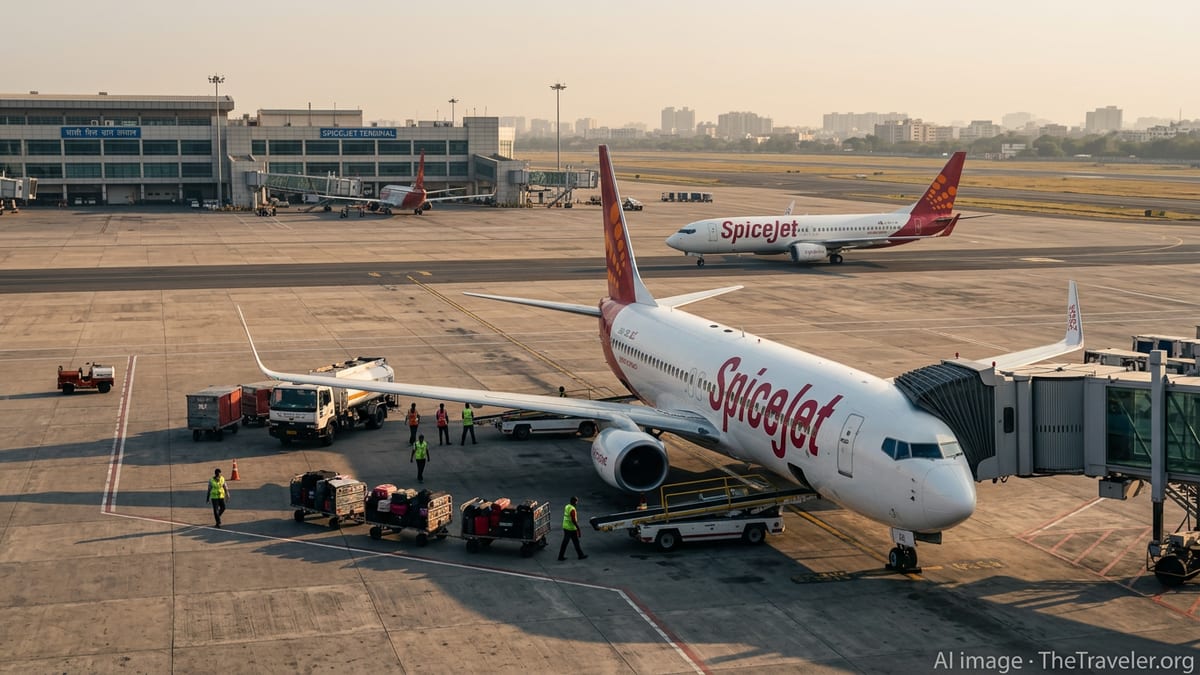
SpiceJet has secured a Memorandum of Understanding (MoU) for the induction of ten additional aircraft, a move that reinforces the Indian carrier’s longer-term growth strategy as it targets a larger fleet, denser schedules and stronger connectivity on key domestic and international routes amid rising passenger demand.
Get the latest news straight to your inbox!
MoU Marks Next Phase in SpiceJet’s Capacity Rebuild
Publicly available filings indicate that SpiceJet’s new MoU for ten aircraft comes as the airline works to rebuild capacity following several years of constrained operations. Company disclosures from February 2026 describe the agreement as a further step in a multi‑stage plan to restore and expand the fleet while maintaining a calibrated approach to growth.
The carrier has outlined a target of ramping its fleet to around 60 aircraft through a combination of wet and damp leases along with the phased return to service of grounded jets. The ten aircraft covered by the MoU are expected to slot into this broader plan, supporting a higher level of utilization on trunk routes and enabling the airline to reopen or reinforce select secondary markets.
According to recent market updates, SpiceJet’s available seat kilometres have already grown sharply in recent quarters as aircraft have been inducted or brought back into service. The MoU is positioned as a mechanism to sustain that upward trajectory into the 2026 winter season, when the airline aims to run a substantially busier schedule than in recent years.
Fleet Expansion Tied to Doubling Capacity and Winter 2026 Targets
SpiceJet’s latest investor and operational updates describe ambitious capacity goals for the current year, with the airline aiming to more than double its available seat capacity by winter 2026. The new MoU for ten aircraft is framed within this context, helping to secure the lift needed to serve more than 300 daily flights across its network by the peak season.
Fleet growth is being pursued on several fronts, including the ungrounding of existing Boeing 737 and Q400 turboprop aircraft and the addition of leased jets. The ten aircraft associated with the MoU are expected to complement these efforts by adding incremental seats quickly, without the longer lead times associated with direct manufacturer deliveries.
Industry observers note that, for an airline of SpiceJet’s scale, reaching a 60‑aircraft fleet and sustaining over 300 daily services represents a material increase in operational complexity. The latest capacity plans suggest a focus on measured scaling, with the MoU providing aircraft that can be phased in alongside parallel investments in maintenance, crew resources and support infrastructure.
Strengthening Domestic Connectivity Across Growth Corridors
Reports on SpiceJet’s recent schedule patterns show that much of the airline’s near‑term growth is concentrated on high‑demand domestic corridors linking major metros with tier‑2 and tier‑3 cities. The additional aircraft secured under the MoU are expected to bolster this strategy by allowing more frequencies on busy routes and opening up additional rotations where demand has outpaced current capacity.
In particular, capacity increases are anticipated on core business and leisure markets such as Delhi, Mumbai, Bengaluru, Hyderabad and Kolkata, where Indian carriers have competed aggressively for slots and passengers. Extra aircraft give SpiceJet more flexibility to match peak‑time demand, improve day‑of‑week coverage and reduce bottlenecks created by tight aircraft turnaround windows.
Regional connectivity also remains central to the carrier’s positioning. With a mix of narrow‑body jets and turboprops, the airline has historically targeted smaller cities that feed traffic into larger hubs. The MoU‑backed fleet growth creates additional scope to refine this hub‑and‑spoke strategy, pairing shorter regional sectors with higher‑yield trunk flights and improving onward connection options for passengers.
Supporting International Routes and Competitive Positioning
Beyond domestic services, SpiceJet has signalled continued interest in rebuilding and expanding its short‑ and medium‑haul international footprint. Publicly available information on the airline’s network plans suggests that incremental aircraft capacity will be deployed on key routes within South Asia and to nearby Gulf and Southeast Asian destinations, where point‑to‑point demand from Indian cities remains strong.
The new MoU is expected to give the carrier more room to restore frequencies on certain international routes that were trimmed during earlier periods of fleet scarcity. Additional aircraft can also support schedule enhancements, such as more convenient departure and arrival times that better align with onward connections or local business and leisure travel patterns.
Analysts tracking the Indian aviation market note that the timing of SpiceJet’s capacity additions coincides with a broader contest for market share on international sectors departing India. As peers grow their own fleets and open new routes, the ten aircraft covered by the MoU help SpiceJet maintain relevance on competitive city pairs and preserve slots and traffic rights that might otherwise be difficult to retain in a capacity‑constrained environment.
Responding to Rising Passenger Demand in a Tight Market
India’s air travel market has seen robust growth, with passenger numbers rising on the back of economic expansion, increased tourism and greater preference for air over rail on longer routes. Industry data published over the past year highlight persistent high load factors and strong forward bookings across many domestic and regional routes, underscoring the need for additional capacity.
SpiceJet’s strategy, as reflected in its MoU for ten aircraft and associated capacity targets, is closely tied to this demand backdrop. By securing additional jets and returning grounded aircraft to service, the airline aims to reduce capacity gaps on oversubscribed routes, offer more choice in terms of timings and pricing, and enhance the overall resilience of its schedule during peak travel periods.
Market commentary indicates that the success of this strategy will depend on the airline’s ability to align fleet growth with disciplined cost management and operational reliability. However, the latest MoU is widely interpreted as a sign of continued confidence in the long‑term potential of India’s aviation market and of SpiceJet’s intent to remain a meaningful competitor within it.