

More news on this day
Spirit Airlines passengers across several major U.S. hubs faced a fresh wave of disruption as 76 flights were cancelled and more than 160 delayed in a single day, creating crowded terminals, missed connections and renewed questions about the carrier’s operational stability as the spring travel season intensifies.
Get the latest news straight to your inbox!
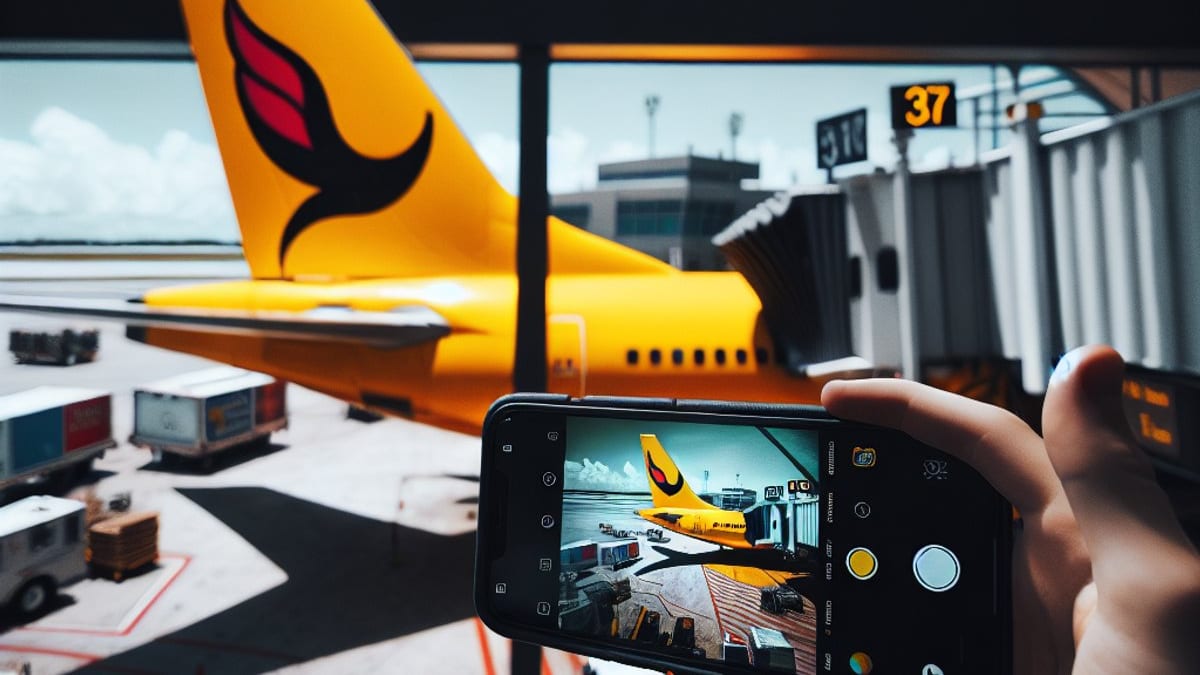
Disruptions Concentrated at Busy U.S. Airports
Publicly available tracking data indicates that Spirit’s latest wave of cancellations and delays was clustered around some of the country’s busiest airports, including New York LaGuardia, Orlando, Houston and Atlanta, where the airline has a significant presence. The 76 cancellations and roughly 160 delays represented a sizeable share of Spirit’s daily schedule, straining airport resources already coping with broader weather and air traffic challenges across the national network.
Reports from recent days describe a pattern of repeated schedule changes on certain routes, with some passengers experiencing multiple cancellations in a single week as aircraft and crews failed to materialize on time. At LaGuardia and Orlando in particular, travelers have described departure boards heavily populated with Spirit delays, underscoring the extent to which the ultra-low-cost carrier’s issues are spilling into key leisure and visiting-friends-and-relatives markets.
These disruptions arrived on top of a wider environment of U.S. flight instability, where severe weather systems and air traffic control constraints have periodically triggered large-scale cancellations across multiple airlines. In that context, Spirit’s concentrated operational problems stand out, especially when its flights were disrupted more heavily than competitors on the same routes at the same airports.
Operational Strain, Staffing and Schedule Cuts
Recent coverage of Spirit’s situation points to a mix of staffing limitations and an aggressive schedule as key factors behind the carrier’s elevated cancellation and delay rates. Industry analysis in 2024 and 2025 already placed Spirit among the U.S. airlines with weaker on-time performance and higher disruption levels, and the latest numbers suggest that those structural pressures have persisted into 2026.
According to aviation and business reports, Spirit has been working through a period of financial stress, high debt costs and ongoing merger uncertainty, all while attempting to operate a dense timetable with narrow margins for disruption. When weather, air traffic restrictions or maintenance issues arise, a thin staffing buffer and limited spare aircraft can quickly cascade into widespread knock-on delays and cancellations, particularly at crowded hubs.
More recent reporting indicates that Spirit is preparing schedule reductions from mid-April and recalling furloughed pilots in an effort to restore operational reliability ahead of the peak summer season. These planned cuts are designed to match flying more closely with available crews and aircraft, which could ease the kind of single-day disruption that has now affected tens of thousands of travelers.
Passengers Scramble for Alternatives and Assistance
The immediate impact of 76 cancellations and more than 160 delays has been sharply felt by Spirit passengers, many of whom have turned to social media and online forums to recount missed vacations, disrupted work trips and last-minute rebookings on other airlines at significantly higher prices. Accounts from recent weeks describe travelers watching their flights slip from minor delay to major delay before being cancelled outright, often with limited clarity on the underlying cause.
Publicly available guidance from the U.S. Department of Transportation notes that in the case of “controllable” cancellations or significant delays, major airlines, including Spirit, commit to rebooking passengers on their own flights at no additional cost. However, low-cost carriers typically do not move customers to competing airlines, leaving travelers to purchase walk-up fares with other operators if they cannot wait a day or more for the next available Spirit flight.
Passengers affected by the latest wave of cancellations have also faced challenges securing compensation for additional hotels, meals and ground transport. While weather can exempt airlines from paying cash compensation, consumer advocates emphasize that travelers should still document expenses and check the airline’s published customer service commitments, as well as any protections offered through credit card benefits or standalone travel insurance policies.
Regulatory Scrutiny and Consumer Confidence
The spike in Spirit disruptions comes as regulators and consumer groups maintain heightened scrutiny of airline reliability more broadly. In recent years, federal officials have pushed U.S. carriers to be more transparent about their policies on rebooking, meal vouchers and overnight accommodation when flights are cancelled or significantly delayed for reasons within the airline’s control.
Data compiled for 2022 and 2023 showed that low-cost carriers, including Spirit, tended to post weaker on-time performance and higher cancellation rates than larger network airlines. Although the industry has worked to stabilize operations following the worst of the pandemic-era turmoil, the pattern of recurring disruption at certain carriers has kept consumer confidence fragile, particularly among price-sensitive travelers who may lack flexibility to absorb unexpected overnight stays or last-minute rebookings.
The latest Spirit episode is likely to reinforce concerns among frequent flyers about relying on the lowest fare alone when choosing an airline. Travel analysts note that while ultra-low-cost carriers can significantly reduce ticket prices, those savings may evaporate quickly when cancellations and long delays force passengers to buy replacement tickets or incur additional costs at their destination.
What Travelers Can Do During Ongoing Instability
With spring and summer travel approaching, the recent Spirit cancellations highlight the importance for passengers of actively managing their trips. Travel guidance from industry publications recommends monitoring flight status across multiple platforms, including independent tracking apps and airport departure boards, rather than relying solely on airline notifications, which can lag during mass disruption events.
Experts also suggest that travelers build extra time into itineraries that involve important events or onward connections, especially when flying on carriers that have recently recorded elevated disruption rates. Purchasing travel insurance that covers delays and cancellations, or using credit cards with built-in trip protection, can offer a financial backstop when airlines do not provide compensation beyond refunds or same-carrier rebooking.
For Spirit customers specifically, publicly available information on the airline’s website outlines options to request refunds for cancelled flights or rebooking on the next available Spirit service. However, given the recent pattern of cancellations and delays, some travelers may weigh paying a modest premium for carriers with stronger reliability metrics, particularly on time-sensitive routes or during peak travel periods when spare seats are scarce.