

More news on this day
Spirit Airlines’ latest Chapter 11 restructuring plan, which anticipates shrinking its fleet to fewer than 80 aircraft, is emerging as one of the most dramatic capacity resets by a major US carrier in recent years and a potential turning point for the country’s ultra-low-cost segment.
Get the latest news straight to your inbox!
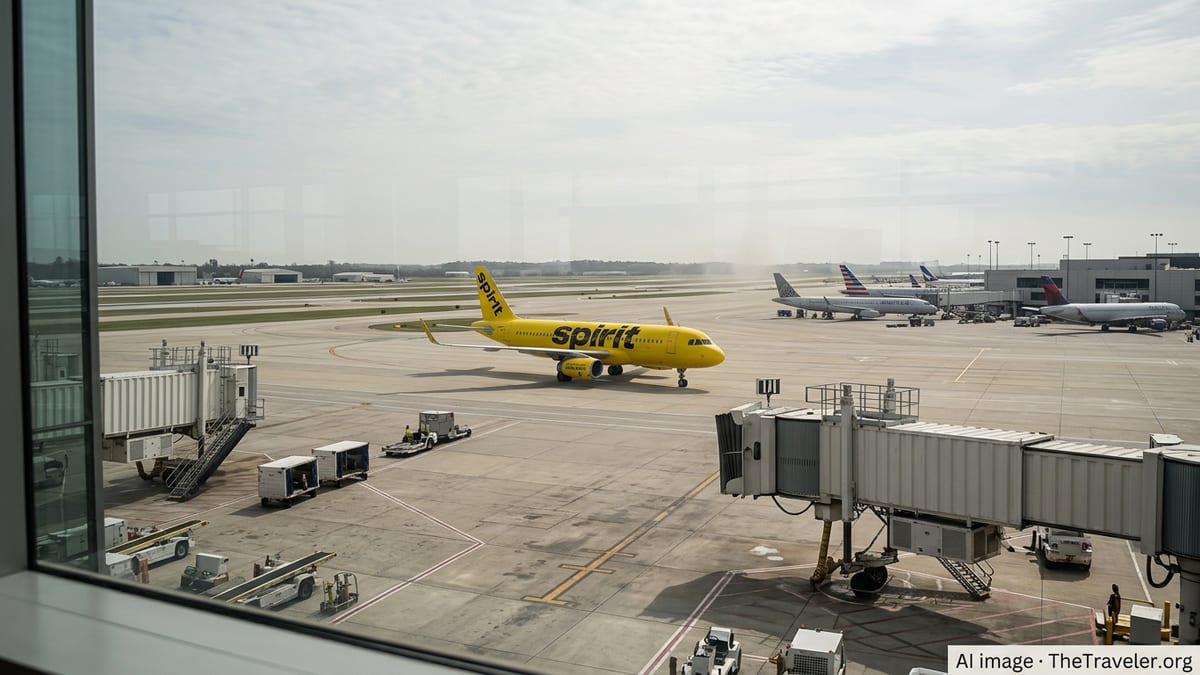
A Steep Descent From a 214-Jet Airbus Fleet
Publicly available court filings and industry coverage show that Spirit entered its current Chapter 11 process in late August 2025 with a fleet of roughly 214 Airbus A320 family aircraft, most under long-term leases. The airline’s new plan envisions exiting bankruptcy with barely a third of that capacity, targeting an operating fleet in the range of 76 to 80 aircraft by the third quarter of 2026.
The downsizing is being driven by an aggressive program of lease terminations, aircraft sales and returns negotiated with lessors. One key agreement with AerCap, Spirit’s largest aircraft lessor, facilitates the early exit of dozens of jets and provides fresh liquidity that can be redeployed to stabilize the pared-back operation. Recent updates shared through the restructuring information site indicate that the airline expects more than half of its pre-bankruptcy fleet to be removed as the plan progresses.
Industry analyses published in early 2026 describe the move as a reversal of Spirit’s previous growth strategy, which had relied on high aircraft utilization and rapid capacity expansion to keep unit costs low. Instead, the company is now prioritizing a smaller, denser schedule focused on routes with proven demand, sacrificing breadth of network in order to restore financial viability.
Chapter 11 as a Tool to Rewrite Fleet Economics
Spirit’s restructuring illustrates how Chapter 11 can be used to reset aircraft commitments and operating costs in an unforgiving demand environment. According to summaries of the reorganization plan circulated in financial press and aviation trade coverage, Spirit is seeking to cut its annual fleet-related expenses by hundreds of millions of dollars through a combination of lease concessions, accelerated returns and deferrals of future deliveries.
The airline has secured substantial debtor-in-possession financing and amendments to its credit agreements that hinge on hitting restructuring milestones, including reductions in fleet size and network rationalization. Updates from late 2025 and early 2026 highlight that the carrier has already removed dozens of aircraft from service and suspended flying to a series of underperforming cities as it works toward a leaner, more concentrated operation.
Analysts note that while Chapter 11 gives airlines leverage to renegotiate leases, it also forces tough trade-offs. A smaller fleet can relieve immediate financial pressure but risks ceding market share, weakening frequent-flyer appeal and limiting the carrier’s ability to respond when demand rebounds. Spirit’s plan to drop below 80 aircraft positions it closer in scale to a large regional or niche operator than to the national low-cost competitor it aspired to be a few years ago.
Ripple Effects Across the Ultra-Low-Cost Segment
The scope of Spirit’s fleet cuts is reverberating across the US airline industry, particularly among ultra-low-cost and leisure-focused rivals. Market commentators point out that routes once contested fiercely by multiple budget carriers are suddenly losing one of their most aggressive price-setters. That shift is already visible in schedule adjustments by peers, with some carriers signaling plans to redeploy capacity into former Spirit strongholds as the company pulls back.
For travelers, the near-term effect is likely to be a mixed picture. In core Spirit markets that retain service, a smaller and more focused network could translate into more reliable operations and less overscheduling during weak periods. However, on routes that Spirit abandons entirely or serves less frequently, reduced competition may lead to higher average fares, particularly where only one or two legacy or hybrid carriers remain.
The retrenchment also raises questions about the long-term structure of the ultra-low-cost model in the United States. A combination of higher financing costs, volatile fuel prices and increasingly constrained airport infrastructure has made it more difficult for carriers to sustain the very low base fares and rapid growth that defined the sector over the past decade. Spirit’s decision to shrink so dramatically, rather than pursue another merger, is being studied closely by other budget airlines balancing expansion ambitions with financial risk.
Competitive Openings for Legacy and Hybrid Carriers
As Spirit retreats, larger legacy and hybrid airlines are assessing how to capitalize. Industry observers report that some network carriers are already increasing capacity on domestic leisure routes where Spirit has announced pullbacks, particularly from mid-sized cities that depended heavily on its low fares to stimulate demand.
Hybrid competitors that blend low fares with more amenities may be particularly well positioned. With Spirit stepping back from aggressive discounting on certain routes, these airlines can target cost-conscious leisure travelers who have become accustomed to bare-bones pricing but are willing to pay modestly more for greater schedule choice and onboard comfort. That calculus may influence future aircraft orders and fleet plans, as competitors weigh whether to pursue high-density single-class layouts or maintain more flexible cabin configurations.
At the same time, the squeeze on capacity may offer breathing room for other ultra-low-cost carriers still in growth mode. Some are reportedly exploring opportunities to acquire returned aircraft at favorable lease rates or to negotiate new airport gate access where Spirit is reducing its presence. Those moves could partially offset Spirit’s withdrawal, though replicating its scale in key markets is likely to take time.
What Spirit’s Plan Signals About Future US Capacity
Spirit’s intention to operate with fewer than 80 aircraft by late 2026 underscores a broader recalibration of US airline capacity after years of expansion. Analysts tracking fleet plans across the industry point to a more measured approach to growth, with carriers delaying deliveries, trimming marginal routes and emphasizing profitability over market share.
The Spirit restructuring is viewed as an extreme but telling example of this shift. Rather than trying to outgrow its financial challenges, the airline is using the protections of Chapter 11 to scale down to what it considers a sustainable core operation, even at the cost of surrendering a significant portion of its previous network. This approach may become a reference point for other financially stressed airlines weighing whether to pursue consolidation, shrinkage or a mix of both.
For passengers, the implications will emerge gradually. As Spirit’s smaller fleet enters service on a tighter set of routes, travelers may see fewer ultra-cheap options on some city pairs and a rebalancing of capacity toward the most consistently profitable markets. How enduring these changes prove will depend on whether Spirit can translate its drastic downsizing into the long-term financial health that earlier restructurings failed to deliver.