

More news on this day
Spirit Airlines is mounting a high-profile comeback, recalling hundreds of furloughed pilots as it accelerates a strategic pivot toward premium services aimed at winning back U.S. travelers after a turbulent spell in bankruptcy protection.
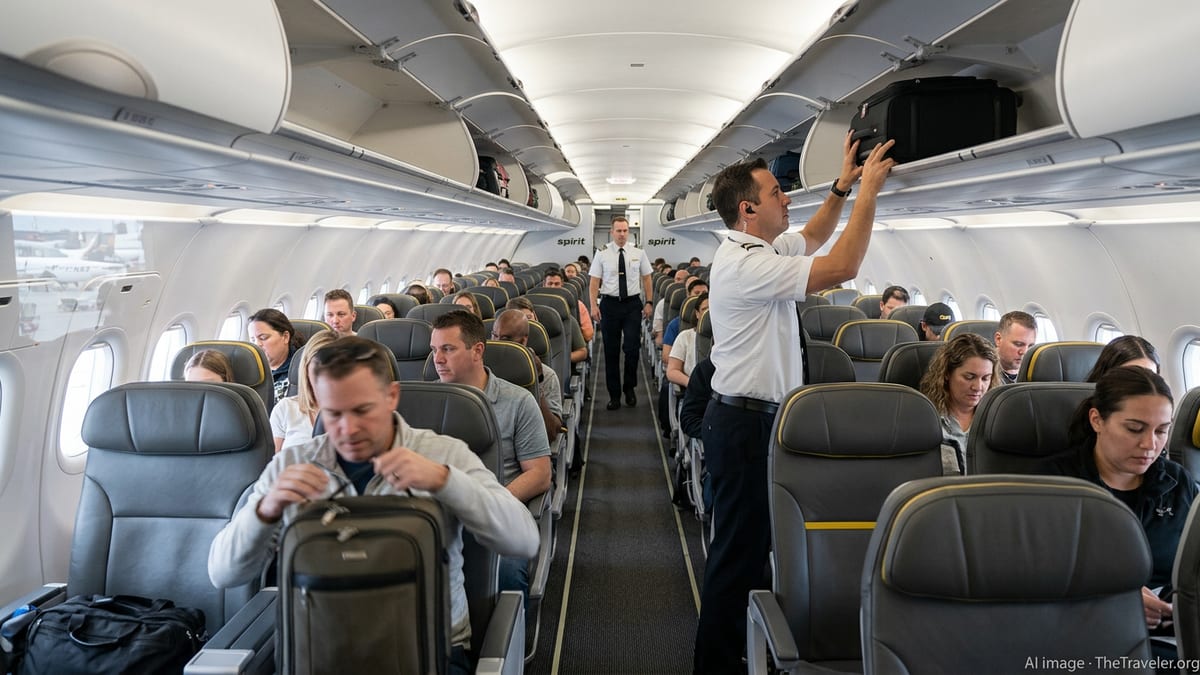
Hundreds of Pilots Recalled as Spirit Eyes Bankruptcy Exit
Spirit Airlines confirmed this week that it has issued recall notices to approximately 500 pilots who were involuntarily furloughed between late 2024 and late 2025, a move that signals renewed confidence in the carrier’s recovery trajectory. The notices were sent on March 9, 2026, with pilots who accept expected to return to duty under timelines laid out in the existing collective bargaining agreement.
The pilots had been sidelined as Spirit slashed capacity, deferred aircraft deliveries and shrank its network while navigating its second Chapter 11 restructuring in less than two years. Bringing them back marks a key operational milestone as the airline prepares to emerge from court oversight and resume measured growth ahead of the busy summer travel season.
Industry analysts note that the recall is driven not only by planned schedule increases but also by higher-than-expected attrition, as many experienced aviators left for more stable or higher-paying positions at rival carriers. Recalling furloughed crew is both a contractual requirement and a practical necessity for Spirit, which must rebuild staffing levels before it can add new flying or expand its evolving premium product.
The airline has told investors and employees that it expects to operate as a leaner, more focused carrier, concentrating on routes and peak periods where demand and yields are strongest. Having a full complement of flight crew is central to that plan, particularly as Spirit recalibrates its image and offering in a crowded U.S. market.
From Ultra-Low-Cost to Value-Focused Premium
Once synonymous with bare-bones, ultra-low-cost flying, Spirit is now pushing ahead with a strategy that leans more heavily into premium and higher-yield offerings. Executives have framed the shift as a response to post-pandemic demand patterns, with U.S. travelers increasingly willing to pay extra for comfort, flexibility and reliability rather than chasing the absolute lowest fare.
The carrier has already rolled out and tested a suite of enhanced products on select routes, including roomier extra-legroom seats, bundled fare options with priority boarding and checked bags, and upgraded onboard snack and beverage selections. These initiatives, initially introduced as bolt-ons to Spirit’s no-frills model, are being repositioned as the backbone of a value-focused premium experience.
In recent restructuring updates, Spirit’s leadership has emphasized that while low base fares will remain part of its DNA, the airline intends to offer a clearer ladder of comfort and service tiers. The goal is to capture more revenue from travelers who may not want a full-service legacy carrier but are ready to trade up from the tightest seats and most restrictive tickets.
For a company long known primarily for ultra-cheap tickets and punitive fees, the pivot is as much reputational as operational. The recall of pilots and the stabilization of staffing are designed to underpin a more reliable schedule, which is critical if Spirit is to persuade skeptical travelers to try its new premium touches.
Labor Deals and Operational Stability Take Center Stage
Spirit’s ability to recall pilots at pace rests on a series of agreements it has reached with its pilot and flight attendant unions over the past year. These deals, which include pay adjustments and productivity measures, were central to the airline’s restructuring plan and helped secure vital debtor-in-possession financing to keep operations running through bankruptcy.
Pilot leaders have previously voiced deep concerns about furloughs and career uncertainty, but many have also signaled a willingness to support Spirit’s turnaround in exchange for a credible path to long-term stability. The latest recall provides some concrete evidence that the worst of the cuts may be behind the cockpit crews who remained with the airline.
Operationally, Spirit has been consolidating its network, pruning weaker routes and concentrating aircraft and crews at high-volume bases such as Fort Lauderdale, Orlando and New York–LaGuardia. Recalled pilots are expected to strengthen those hubs, giving schedulers more flexibility to handle irregular operations and reduce last-minute cancellations that have historically damaged the brand.
Travel advisors and frequent flyers will be watching closely to see whether the combination of additional pilots and a tighter, more disciplined schedule translates into improved on-time performance. For Spirit’s premium ambitions to gain traction, reliability may prove just as important as any cabin upgrade.
Premium Products Aimed at Winning Back Leisure and Small-Business Travelers
On the customer side, Spirit’s premium push is squarely targeted at two groups: leisure travelers trading up from ultra-basic offerings, and cost-conscious small-business travelers who prioritize schedule and comfort but still keep a close eye on fares. The airline’s product team has been testing bundled fares that include seat selection, larger carry-on allowances and change flexibility, designed to simplify what was once a complex web of ancillary charges.
Cabin refreshes and seating upgrades are also part of the equation. Select aircraft are being fitted with redesigned seat cushions, adjustable headrests and additional legroom zones that can be sold as a step up from standard economy, without the full expense of a traditional business-class cabin. Spirit is betting that these changes will resonate on popular domestic routes where travelers increasingly compare comfort and total trip value rather than just headline fares.
New premium options at the airport, such as priority security lanes at select terminals, enhanced check-in counters and improved digital self-service tools, are intended to smooth the journey from curb to gate. Combined with targeted loyalty incentives and co-branded credit card perks, the airline hopes to foster greater brand stickiness among frequent flyers who might previously have viewed Spirit as a last-resort option.
For now, the premium rollout remains selective and data-driven, focusing on markets where higher-yield demand is strongest and where Spirit believes it can credibly compete with larger rivals. The recalled pilots will be a vital resource in flying those strategically chosen routes at the frequencies needed to build a new reputation.
A High-Stakes Gamble in a Shifting U.S. Airline Market
Spirit’s latest moves come at a pivotal moment for the U.S. airline industry, as carriers recalibrate capacity and product offerings in response to higher costs and evolving traveler expectations. The ultra-low-cost model that once allowed Spirit to undercut rivals has been pressured by rising fuel prices, labor costs and intense competition from larger airlines willing to match low fares on key routes.
By recalling pilots and scaling up new premium services, Spirit is effectively betting that a hybrid model focused on value and comfort can deliver more sustainable returns than its previous bare-bones approach. Success would position the carrier as a nimble challenger for budget-minded travelers who still expect a measure of space, service and schedule reliability.
The risks, however, remain considerable. Spirit must manage its debt load, keep labor partners onside and convince wary consumers that the airline has genuinely changed. Any missteps that lead to fresh disruptions or customer frustration could quickly undermine the narrative of a bold comeback.
For now, the recall of hundreds of pilots sends a visible signal that Spirit is preparing not just to survive, but to compete. As planes fill with returning crew and refreshed cabins, the coming months will reveal whether the airline’s premium evolution can truly lift it out of its turbulent chapter and into a more stable cruise.