

More news on this day
Hundreds of Spirit Airlines passengers across the United States faced widespread disruption as dozens of flights were canceled or delayed, stranding travelers at major airports in Florida, New York, and other hubs and forcing many to scramble for costly last-minute alternatives.
Get the latest news straight to your inbox!
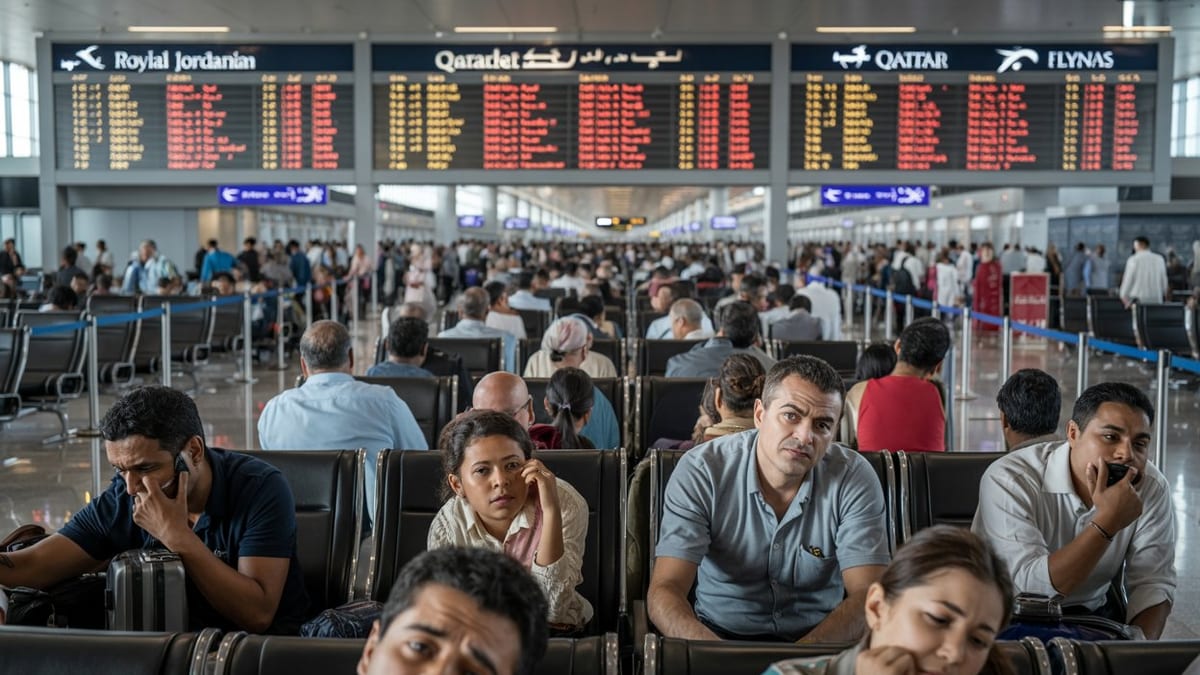
Wave of Disruptions Hits Spirit’s Network
Real-time flight tracking data on Friday indicated that Spirit Airlines had canceled at least 76 flights and delayed around 160 more across its U.S. network, leaving aircraft out of position and passengers stuck in terminals from Fort Lauderdale to New York. The disruption represented a significant share of the carrier’s daily schedule and added new pressure on an airline that already operates with tight turnaround times and limited spare capacity.
The cancellations and rolling delays were concentrated at Spirit’s major bases in Fort Lauderdale and Orlando, as well as at key markets such as New York, but knock-on effects were visible across the country. Travelers reported last-minute schedule changes, repeated gate shifts, and departures pushed back by several hours, with some flights ultimately scrubbed after passengers had already boarded and then been asked to deplane.
Published coverage and passenger accounts described packed concourses and long lines at customer service desks as travelers tried to secure rebooking options. With many affected flights operating on leisure-heavy routes and during peak spring travel, demand for replacement seats on other airlines quickly drove up prices for same-day itineraries.
Florida Bases Bear the Brunt
Fort Lauderdale-Hollywood International Airport and Orlando International Airport appeared to be at the center of the operational strain. Both airports serve as major connecting points for Spirit, and when irregular operations occur, delays in Florida can easily cascade to the rest of the network. Recent disruptions at these airports involving multiple carriers have already highlighted how quickly schedules can unravel when aircraft and crews are tightly scheduled.
Reports from travelers in Fort Lauderdale described multiple Spirit flights canceled in quick succession, with limited near-term rebooking options. Some passengers indicated being offered seats several days later or modest travel credits, prompting many to search for last-minute tickets on competing airlines or to consider alternative airports elsewhere in South Florida.
In Orlando, social media posts and community discussions in recent weeks have depicted departure boards heavily populated with delayed Spirit flights, with some routes experiencing repeated schedule changes. Passengers have described spending much of the day at the airport while departure times slipped back by hours, only to be followed by cancellation notices when crew or aircraft were no longer available.
The heavy concentration of affected flights in Florida not only disrupted point-to-point travelers headed to popular vacation spots, but also those relying on connections through these hubs to reach destinations elsewhere in the United States.
Ripple Effects in New York and Other Cities
Airports serving the New York metropolitan area, including LaGuardia and Newark, were also caught up in the disruption. Spirit operates a number of key Florida-bound routes from New York, and disruptions at either end of those routes can quickly trigger a chain reaction, leading to further delays and cancellations as aircraft fail to arrive for subsequent departures.
Some passengers traveling from New York to Florida reported abrupt cancellations close to departure time and difficulty locating alternative flights that would get them to their destinations the same day. With limited competition on some low-cost routes and school holidays boosting demand, options for rebooking were often scarce, particularly for larger families traveling together.
Operational problems were not confined to Florida and New York. Reports of delays and cancellations emerged from other Spirit stations across the country, including Midwest and West Coast airports where flights depend on aircraft arriving from Florida bases. When one segment in the schedule fails, it can cascade through the day’s operations, leaving flights hundreds or even thousands of miles away without available aircraft or crew.
What Stranded Passengers Can Expect
Consumer advocates note that passengers affected by cancellations and long delays have specific protections, particularly when disruptions are within an airline’s control, such as crew scheduling issues or certain mechanical problems. Updated guidance from the U.S. Department of Transportation indicates that for significant controllable delays or cancellations, travelers are generally entitled to a prompt refund if they choose not to travel, even if they purchased nonrefundable tickets.
Several major U.S. airlines publicly commit to providing meal vouchers, hotel accommodations, and complimentary rebooking on later flights during large-scale controllable disruptions. Spirit’s policies typically focus on offering travel credits, rebooking on the next available company-operated flight, or refunds when flights are canceled, though the exact remedies can vary based on the cause of the disruption and the timing of schedule changes.
Passengers are encouraged to document their delays, keep receipts for out-of-pocket expenses such as meals and overnight stays, and review the airline’s published customer service commitments, along with any applicable federal rules. Travel insurance, if purchased, may provide additional coverage for trip interruption, although benefits can differ widely by policy.
Experts often recommend that travelers whose flights are significantly delayed or canceled explore nearby airports and alternate routings, especially in multiairport regions such as South Florida and New York. In major disruption events, seats may open up from neighboring airports more quickly than at the original departure point.
Ongoing Scrutiny of Low-Cost Carrier Reliability
The latest wave of cancellations and delays has renewed discussion about the reliability of ultra-low-cost carriers, which operate leaner fleets and fewer backup aircraft than many full-service competitors. Past operational disruptions at Spirit have prompted criticism from passengers who felt they had limited options when flights were canceled and few alternatives available for rebooking within a reasonable time frame.
Analysts note that low-cost airlines can offer attractive fares by maximizing aircraft utilization and keeping overhead low, but this structure can leave little margin when irregular operations occur. Weather systems affecting Florida, tight crew scheduling, high load factors, and air traffic constraints can all combine to turn a series of localized delays into a systemwide disruption.
For travelers, the events of the day provide another reminder to weigh schedule resilience alongside price when booking. While many passengers successfully complete trips on low-cost carriers without incident, those traveling for fixed events, cruises, or tight connections may need to factor in the risk that a single cancellation could significantly alter their plans, especially on routes with limited daily frequencies.
With hundreds of passengers seeking answers and alternatives, attention is likely to remain focused on Spirit’s ability to stabilize its schedule, reposition aircraft and crews, and restore confidence among travelers who suddenly found their plans upended by a wave of cancellations and delays.