

More news on this day
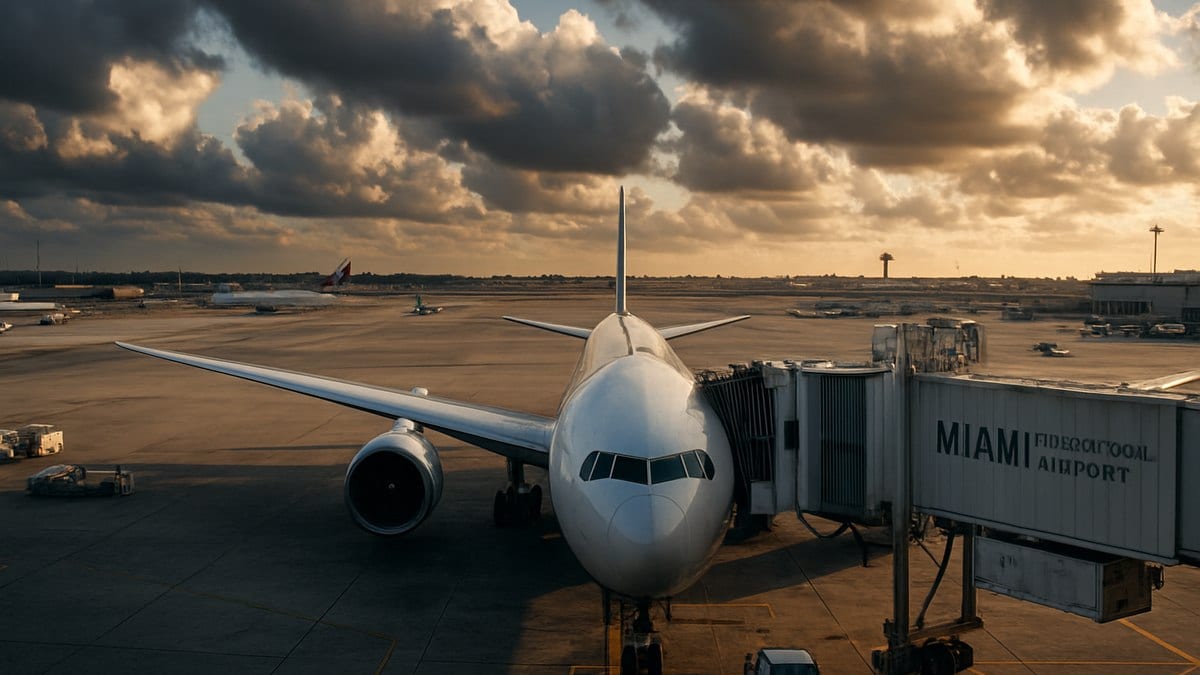
A grounded Spirit Airlines flight at Miami International Airport on April 12 has added fresh disruption to an already strained Florida air travel network, with rolling delays rippling across more than 50 domestic and international destinations.
Get the latest news straight to your inbox!
Single Grounded Flight, Network-Sized Impact
Publicly available flight tracking data and industry reports for April 12 indicate that one grounded Spirit Airlines departure at Miami International Airport became a key trigger in a wider pattern of disruption. Although the number of outright cancellations remained limited, the affected aircraft and crew were scheduled to operate multiple follow-on legs, turning a local issue in Miami into a network challenge touching dozens of routes.
Coverage from aviation and travel outlets describes the disruption as delay driven rather than cancellation led, with Spirit adjusting its Miami schedule and re-timing departures to absorb the impact. These adjustments created knock-on delays that extended to major hubs and leisure destinations already facing congestion from spring travel demand.
Reports from Miami show more than one hundred delays involving a mix of carriers, with Spirit among those experiencing schedule pressure. Even as most flights eventually departed, later-than-planned operations narrowed connection windows and pushed arrival times well into the evening on some long-haul and transcontinental routes.
While the grounded aircraft itself represented a single event, its position within Spirit’s tightly timed low cost network meant that disruptions cascaded through turnarounds in quick succession. This pattern is consistent with broader data for early April, which has shown how a relatively small number of primary incidents can translate into a much larger pool of delayed departures and arrivals.
Miami’s Role as a Congested Spring Gateway
Miami International Airport entered the April 12 weekend already under strain. In the days leading up to the incident, published performance data for the hub showed well over 200 daily delays at peak, along with a smaller number of cancellations spread across domestic and international services. Reports on Easter and early April traffic highlighted a mix of heavy leisure demand, convective weather in the region and tight runway and gate capacity as recurring themes.
Recent analysis of Florida airports shows that Miami, along with Orlando, Tampa and Fort Lauderdale, has absorbed a disproportionate share of spring disruption as travelers return in large numbers to beach, cruise and theme park markets. When a large hub is already close to its operating limits, even a single grounded narrowbody aircraft can tip schedules out of balance for hours, especially if storms or air traffic flow restrictions reduce flexibility.
Miami’s global profile adds another layer of complexity. The airport supports extensive connectivity between the United States, Latin America, the Caribbean and Europe, and Spirit is one of several carriers linking the hub to secondary U.S. cities and popular sun destinations. Disruption to a Miami departure can therefore interfere not only with point to point itineraries but also with onward connections through other hubs such as Charlotte, New York, Atlanta and major European gateways.
Network data released for March and early April has repeatedly placed Miami among the more delay prone large airports in North America, a status driven by its combination of high traffic density, afternoon storm risk and sustained leisure peaks. That context helps explain how one grounded flight on April 12 could resonate as widely as it did across Spirit’s map.
More Than 50 Destinations Feeling the Ripple Effect
Route and schedule analysis for Spirit’s Miami operations indicates that the April 12 disruption likely touched more than 50 destinations, either through direct delays on Miami flights or through late arriving aircraft and crew on subsequent segments. Among the affected points were major U.S. cities such as New York, Atlanta and Chicago, as well as Canadian, Mexican and European gateways connected via alliance and codeshare partners.
Travel industry summaries of the day’s activity at Miami highlight delays on services linking the airport to large transatlantic hubs including London, Frankfurt and Amsterdam, in addition to high demand leisure routes into the Caribbean and Mexico. Even where other airlines operated the long haul segments, late departures from Miami on feeder flights created added risk for missed connections and forced rebookings for passengers traveling on multi airline itineraries.
Florida focused coverage also notes interference with northbound flows to cities such as Toronto and Vancouver, where cross border formalities and limited frequencies can magnify the impact of any one delayed arrival. For some travelers, a delay of only a couple of hours in Miami proved sufficient to push their final arrival into the following day, particularly when onward flights were already running close to full.
While many of these services ultimately operated, the cumulative effect of small schedule slips across dozens of city pairs was significant. For airports downline from Miami, this translated into later evening peaks, compressed turnaround times and heightened risk of crews reaching duty limits, raising the possibility of additional rolling delays beyond the original incident.
Spirit’s Operational Pressures in a Tight Market
The Miami disruption comes at a time when Spirit Airlines is already under close scrutiny for its operational reliability. Recent network wide statistics for early April show elevated levels of delays and cancellations for the carrier on several days, including clusters of affected flights at Fort Lauderdale, Orlando and New York area airports. Industry commentary has linked some of these challenges to a lean schedule, limited spare aircraft and ongoing staffing adjustments.
Analysts note that ultra low cost carriers typically rely on high aircraft utilization and short ground times to keep fares low. This structure can leave relatively little slack in the system when something goes wrong, such as a mechanical issue, a late inbound arrival or weather related holding. Reports examining Spirit’s performance during March and early April suggest that such factors have combined with persistent congestion at key Florida hubs to produce a fragile operating environment.
Network planning documents and expert commentary circulated earlier this year indicate that Spirit has been trimming some marginal routes and adjusting frequencies in an effort to stabilize performance and contain costs. Even so, the grounded flight in Miami illustrates how quickly disruption can spread when resources are stretched and connections are tightly banked.
Travel industry observers point out that Spirit is not alone in facing these challenges. Major network carriers and other low cost airlines have also reported days with thousands of combined delays across the United States this spring. However, Spirit’s concentration at a handful of weather sensitive hubs, and its focus on price sensitive leisure segments, means its customers may feel the effects of operational shocks more acutely.
What Travelers Can Do When Delays Cascade
Guidance from consumer advocates and travel experts responding to this month’s disruptions in Florida emphasizes preparation and flexibility. Passengers booked on Spirit or other carriers through Miami are encouraged to monitor their flight status closely on the day of travel, using airline applications and departure boards to track any rolling schedule changes originating from previous legs.
Travel advisories produced in recent weeks recommend building longer connection windows when itineraries involve Miami or other busy Florida hubs during peak seasons. Morning departures are often singled out as less vulnerable to the compounding effect of daylong delays, while evening flights can be more exposed to the residue of earlier disruptions and potential crew duty time limitations.
Experts also stress the importance of documenting out of pocket expenses incurred during severe delays, including meals, hotels and ground transportation. While compensation rules vary by jurisdiction and carrier, publicly available guidance notes that airlines are generally expected to provide basic care such as refreshments and assistance with rebooking when passengers face extended waits or missed connections.
For now, the grounded Spirit flight in Miami stands as another example of how finely balanced the U.S. air travel system remains in 2026. With Florida’s airports continuing to operate near capacity on many days, even isolated operational snags can reverberate through networks, leaving travelers across dozens of destinations contending with unexpected and sometimes lengthy delays.