

More news on this day
As American students and families flock to Cancun for Spring Break 2026, U.S. officials are urging travelers to remain alert and informed, reiterating that Mexico’s Caribbean mega-resort sits in a region where visitors should exercise increased caution even as flights and hotels operate normally.
Advisories Ahead of Spring Break Highlight Persisting Risks
The U.S. Department of State continues to classify Mexico overall at Level 2, advising travelers to exercise increased caution due to crime and kidnapping, with the Caribbean state of Quintana Roo, home to Cancun and the Riviera Maya, remaining under that same risk level. The guidance follows an updated global “worldwide caution” notice issued on February 28, 2026, and comes just as U.S. colleges enter peak spring break weeks.
Recent embassy messaging aimed at spring break travelers stresses that while tourist zones in Cancun, Playa del Carmen and Tulum are open and operating, crime trends across Mexico, including cartel-related violence and opportunistic theft, warrant a high degree of situational awareness. Officials underscore that most incidents do not target tourists directly, but that past shootings and clashes between criminal groups have occasionally spilled into areas frequented by visitors.
The renewed attention also follows late February security operations in multiple Mexican states that briefly prompted a shelter-in-place advisory for some regions. U.S. officials later confirmed that conditions in Quintana Roo had stabilized, with normal operations reported and airports, including Cancun International, remaining open. The advisory level for the state itself did not change, but the episode reinforced U.S. calls for travelers to monitor alerts closely before and during their trips.
Cancun’s Tourist Zone: High Security, Ongoing Vigilance
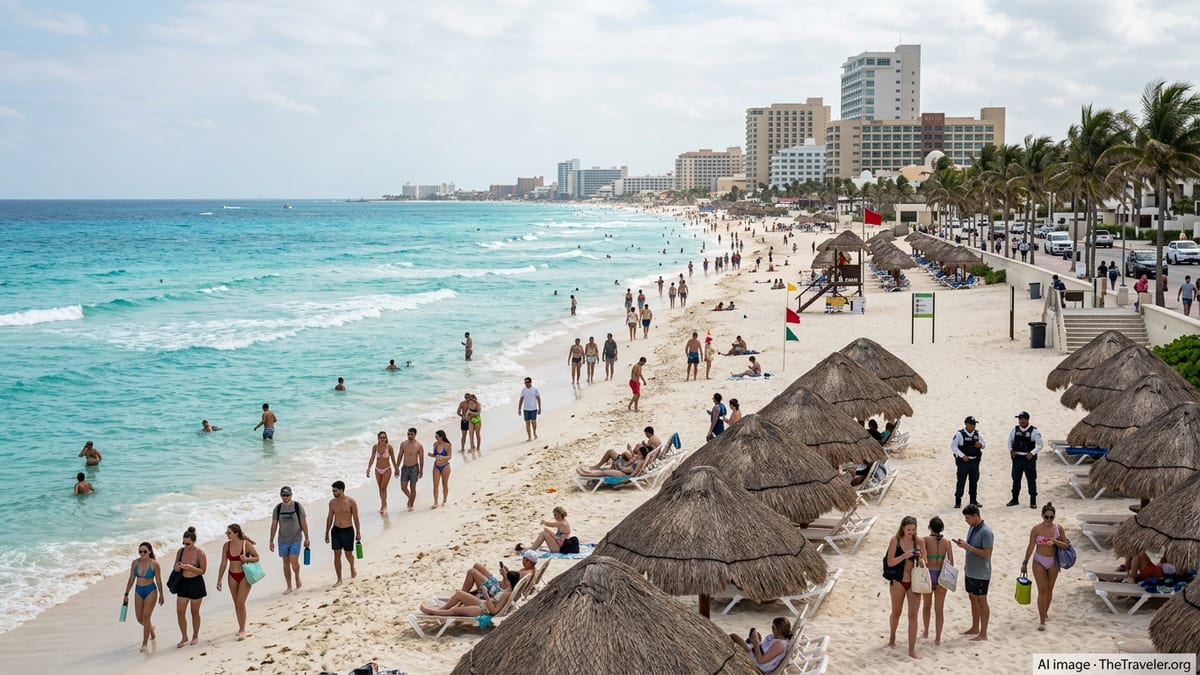
On the ground in Cancun, travelers arriving this March will find a resort corridor that has become accustomed to balancing mass tourism with heightened security. Local authorities have expanded patrols along the Hotel Zone’s main boulevard and beaches during peak periods, and resort operators report close coordination with police and federal National Guard units, particularly on busy nights.
Industry data and recent analyses point to a decline in reported tourist-related incidents in Quintana Roo over the past year, which local hoteliers attribute to a mix of visible policing, investment in surveillance systems, and faster emergency response. Even so, both Mexican and U.S. officials continue to warn that violent crime linked to organized groups can occur with little warning, and that bystanders have been injured in past confrontations away from resort properties.
Security experts say the practical takeaway for visitors is to treat the resort strip and well-lit, populated areas as the safest parts of the destination, especially after dark. Travelers are being urged to avoid isolated beaches and back streets at night, limit bar and club hopping beyond established venues, and arrange door-to-door transportation through hotels or reputable ride services instead of hailing random taxis on the street.
What U.S. Officials Are Urging Spring Breakers To Do
Consular officials and campus safety departments across the United States are amplifying safety guidance this year, singling out Mexico and Caribbean beach destinations in pre-break briefings. Students are being advised to review the latest Mexico country advisory, enroll in the State Department’s Smart Traveler Enrollment Program so they can receive security updates by email or text, and share detailed itineraries with family or friends at home.
U.S. guidance stresses basic precautions that can significantly reduce risk in Cancun: traveling in groups rather than alone, keeping a low profile in public, and avoiding displays of wealth such as high-end jewelry or large amounts of cash. Tourists are also reminded to keep passports and valuables locked in hotel safes and to carry only photocopies or digital images of documents when out at night.
Another focus for officials this spring is the intersection of alcohol, drugs and safety. Advisories warn that excessive drinking can leave travelers vulnerable to robbery, assault or accidents and caution that illegal drugs in Mexico are deeply intertwined with cartel activity. Visitors are urged to seek immediate medical attention if they suspect drink tampering, and to use only licensed clinics and hospitals recommended by hotels or insurers in the event of a medical emergency.
Local Response and Tools for Visitors in Quintana Roo
Authorities in Quintana Roo and tourism leaders in Cancun have responded publicly to U.S. advisories by emphasizing both the economic importance of American visitors and the resources now available to support them. Official statements highlight joint security operations across the state, increased monitoring in nightlife districts and the presence of multilingual tourist police units trained to assist foreigners.
State and municipal agencies are also promoting digital tools meant to bridge gaps between visitors and local services. Travelers are encouraged to download official tourism and emergency assistance apps that can connect them to hotlines, public security offices and health providers, and to pay attention to safety briefings offered by hotels and tour operators when checking in or before excursions.
Hotel associations say they are working closely with travel companies and airlines to keep guests informed in real time if any security situation affects road access or flight operations. For now, airlines continue to operate dense schedules into Cancun for the March and early April rush, and resort occupancy forecasts remain strong, suggesting that safety concerns have not dampened demand so far.
Balancing Popular Demand With Sensible Risk Management
For many American travelers, Cancun’s white-sand beaches and all-inclusive resorts remain synonymous with spring break, and tourism numbers in the region have rebounded strongly in the wake of the pandemic years. Travel advisors say their clients are still booking Cancun in large numbers for 2026, but with more questions about safety, insurance coverage and cancellation policies than in the past.
Specialists recommend that travelers weigh their personal risk tolerance and prepare accordingly, rather than abandoning the destination entirely. That means choosing reputable, established resorts, confirming that airport transfers are prearranged, and considering travel insurance policies that include coverage for trip interruption and medical evacuation should an unexpected security or health incident occur.
Ultimately, officials and industry voices are converging on a similar message for Spring Break 2026 in Cancun: the vast majority of visitors can expect a trouble-free vacation if they pair the city’s familiar mix of sun and nightlife with a more deliberate approach to safety. With Mexico’s advisory level holding at “exercise increased caution,” travelers are being urged to treat security awareness as an essential part of their packing list this year.