

More news on this day
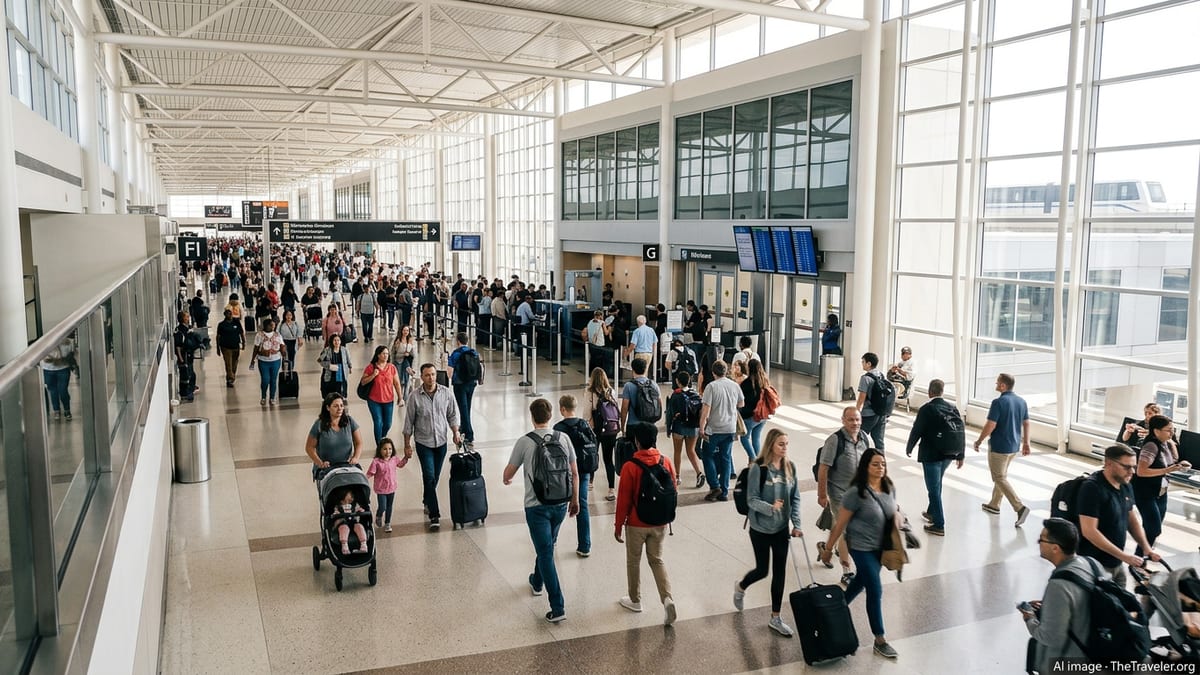
Dallas Fort Worth International Airport is in the thick of a massive spring break rush, with millions of passengers expected to pass through its sprawling terminals over a compressed 19-day window, turning an already busy global hub into a test of patience, planning and airport know-how.
Get the latest news straight to your inbox!
Record Spring Break Volumes Hit a Global Hub
Publicly available information from Dallas Fort Worth International Airport indicates that roughly 4.7 million customers are expected to travel to, from and through the airport between March 5 and March 24 this year, as North Texas school districts and universities empty out for spring break. That is slightly below last year’s total but still represents one of the busiest stretches on the airport’s calendar.
Coverage of the travel period highlights two especially intense waves, clustered around March 13 to 16 and March 20 to 23, when outbound vacationers overlap with returning travelers. For anyone flying on those peak days, the combination of heavy highway traffic, packed parking lots and long check-in lines can turn a routine trip into a multi-hour gauntlet before even reaching security.
DFW’s role as one of the world’s busiest airports magnifies the effect of seasonal spikes. Recent passenger statistics show the airport handling tens of millions of travelers annually and ranking near the top globally for total passenger traffic. Layer spring break demand on top of already high baseline volumes, and even minor disruptions can ripple quickly through the system.
Regional factors add further pressure. North Texas has seen strong demand for flights to traditional beach destinations in Florida and Mexico, as well as to ski markets in the Rockies, putting additional strain on certain morning and midday departure banks. Airlines are operating dense schedules from DFW, which helps with options but also means fuller terminals and gate areas during peak hours.
Ground Access and Parking: The First Bottleneck
While many travelers focus on security wait times, the first real chokepoint at DFW often appears long before the checkpoint. Reports from local coverage and traveler accounts describe significant queues at the airport’s north entrance during recent peak travel days, with vehicles backing up onto approach roads and adding 30 minutes or more just to reach the terminals.
Parking is another pressure point. DFW has urged spring break passengers to secure parking in advance when possible, pointing to strong demand for terminal and long-term options during busy periods. When online reservations fill, drivers can find themselves circling garages or being redirected to more distant lots, which adds time for shuttle transfers and increases the risk of cutting it close to departure.
According to the airport’s spring break guidance, travelers who must drive are encouraged to allow additional time for plaza entry, parking and the trip from the lot to the terminal. The airport promotes real-time parking information and wayfinding tools through its official mobile app, which can help drivers head directly to lots with space instead of guessing on arrival.
Those looking to avoid the congestion altogether may benefit from rail and rideshare options. Regional transit links and rideshare drop-off areas can sometimes move more predictably than private vehicles during peak waves, particularly when freeway traffic near the airport becomes saturated. For travelers using car services, being dropped at a less congested terminal and transferring inside the secure area can also shave a few minutes off the journey.
Security Checkpoints: Timing and Tech Matter
Nationally, the Transportation Security Administration has been signaling elevated spring break volumes since at least 2024, when the agency projected travel demand nearly 6 percent above the prior year during the March peak. More recent advisories emphasize that checkpoint traffic will remain intense as passenger counts continue to climb toward or above pre-pandemic records.
At DFW, publicly available information underscores that security screening can be highly variable by terminal and time of day. Early morning departure banks, especially between about 5 a.m. and 9 a.m., tend to generate the longest lines as business travelers, families and leisure passengers converge. Midday and late afternoon periods can also spike during holiday windows when flight schedules are heavily concentrated.
The airport directs passengers to use its app and website to view estimated wait times by checkpoint, allowing travelers to choose the shortest line or even clear security in one terminal and ride the internal train to another. Frequent flyers note that DFW’s multiple checkpoints, spread across several terminals, provide more options than single-lobby layouts at some other major hubs.
Enrollment in programs such as TSA PreCheck or Global Entry can significantly reduce screening time, especially on high-volume days. TSA materials point to dedicated lanes, simplified screening procedures and generally shorter queues for participants. Travelers are also reminded to double-check that their Known Traveler Number is correctly stored in airline profiles and on each reservation, since missing or incorrect data can send them into standard lines during the busiest periods.
Inside the Terminals: Managing Crowds and Delays
Once past security, spring break passengers often confront a second layer of congestion. Full flights translate into busy gate areas, limited seating and crowded concessions. As DFW has grown into a major connecting hub, it has steadily added dining and retail options, but during peak periods even high-capacity food courts can see long queues at popular outlets.
Airport guidance for the spring break window encourages travelers to factor in extra time for activities that may seem routine on slower days, such as grabbing a meal or filling water bottles. Families traveling with children may find it helpful to settle near gates earlier than usual, especially if they need to coordinate bathroom breaks, snacks and last-minute boarding preparations in a tight window.
Operationally, DFW and its airline partners are working against tight margins. Published data from recent severe weather events across the United States shows how quickly disruptions can cascade, with large winter storms earlier this year leading to thousands of cancellations nationwide. While no such event is guaranteed during spring break, dense schedules and fully booked flights leave little space to rebook passengers if weather or air traffic control issues arise.
As a result, travel experts advise carrying essential items in a small carry-on, keeping airline apps up to date for real-time gate and schedule changes, and monitoring weather and connecting airports closely. For passengers with tight connections at DFW, knowing the layout of the Skylink train and the approximate travel time between terminals can improve the odds of making onward flights during irregular operations.
How to Navigate DFW Like a Pro This Spring
For travelers determined to reduce stress during the spring break surge, preparation begins days before departure. Publicly available planning checklists from DFW and TSA stress the importance of reviewing baggage rules, packing with security in mind, and confirming identification documents well in advance. Simple steps, such as placing electronics and travel-sized liquids where they are easy to reach, can speed movement through crowded checkpoints.
Seasoned travelers recommend building in generous time buffers at each stage of the journey. For domestic flights during this year’s peak, that often means arriving at the airport at least two hours before departure, or three hours for international itineraries, with an extra allowance for rush-hour traffic or parking challenges. Those departing on the heaviest Saturdays and Sundays may choose to add even more margin.
Using the DFW app to check parking availability, security wait estimates and gate assignments before leaving home can help travelers choose the best terminal entry point and avoid last-minute surprises. Within the airport, following signs to less-used checkpoints within the same terminal, or clearing security in an adjacent terminal with shorter lines and then taking the Skylink train, can yield meaningful time savings.
Ultimately, the combination of record passenger volumes and complex operations means that some delays and crowding are inevitable at Dallas Fort Worth International Airport this spring. Travelers who plan conservatively, leverage real-time tools and remain flexible in how they move through the airport stand the best chance of turning a potentially chaotic experience into a manageable, even smooth, start to their spring break.