

More news on this day
Spring break travel across the United States is colliding with severe weather, already strained aviation staffing and new beach restrictions, creating a perfect storm of delays, diversions and crowd-control crackdowns that threaten to upend millions of vacations just as the peak season arrives.
Get the latest news straight to your inbox!
Record Passenger Volumes Meet a Fragile Aviation System
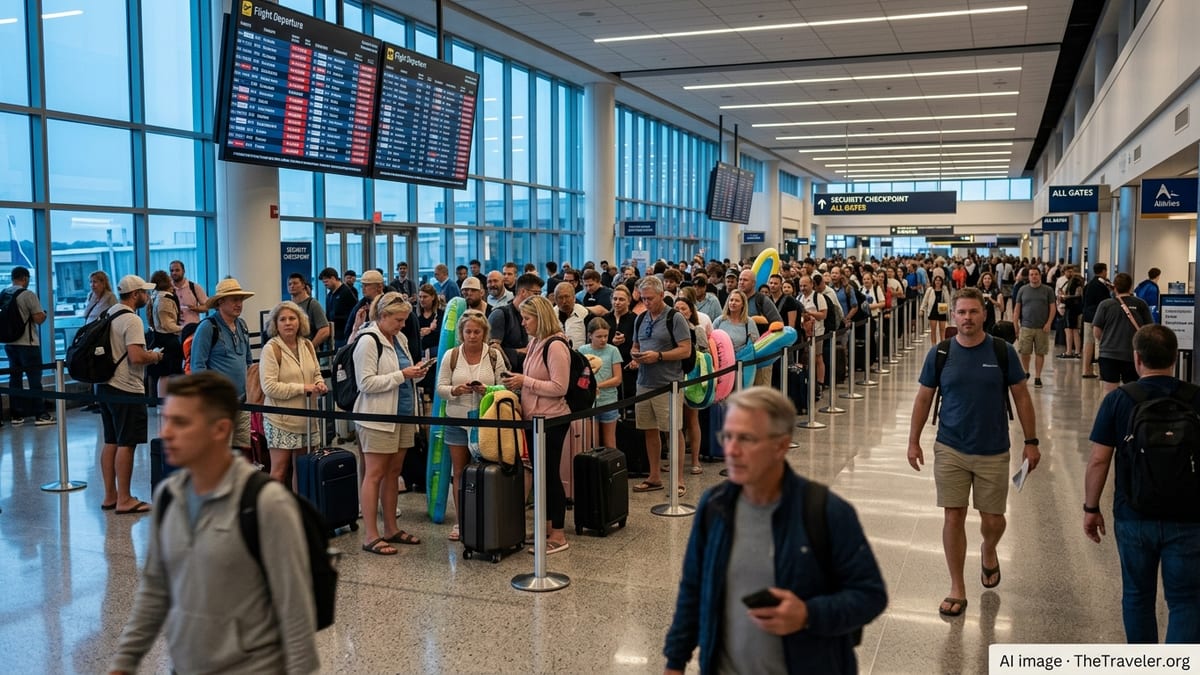
Spring break 2026 is unfolding against a backdrop of record or near-record passenger numbers at major U.S. airports, amplifying the impact of every disruption. Transportation data and airport forecasts indicate that March remains one of the busiest months of the year for leisure travel, with some hubs warning of their heaviest crowds on peak Fridays and Sundays. Publicly available figures from major hubs show scheduled passenger volumes well above pre-pandemic levels, particularly on routes to Florida, the Caribbean and the Mountain West.
This surge is hitting an aviation system that has little slack. Federal reports published over the past year describe a network where air traffic control staffing remains tight at several key facilities and where routine congestion is already a leading cause of delays. Industry analyses also highlight that weather-sensitive routes and busy East Coast corridors are operating near capacity, meaning that modest slowdowns can quickly ripple into nationwide backlogs.
The strain has been visible this week as storms crossing the Midwest and East triggered cascading flight delays and cancellations at major hubs. Recent coverage from national news outlets described thousands of flights delayed or canceled in a single day, with airports in New York, Chicago and Atlanta among those hit hardest as airlines struggled to recover schedules.
For travelers, the result is a spring break environment where even minor schedule changes can strand families overnight, scatter checked bags across the system and push standby lists to capacity. Airlines are urging passengers to build in extra time and to monitor flight status continuously, but many last-minute vacationers are still being caught off guard at the airport.
Storm Systems and Shutdown Fallout Deepen Disruptions
Weather remains the most visible trigger for spring travel chaos. A powerful storm system this week brought heavy snow and high winds across parts of the Midwest before sweeping eastward, according to national meteorological summaries. News reports from the affected regions noted gusts near 50 miles per hour in parts of the Northeast and described airlines preemptively canceling hundreds of flights to avoid flying into hazardous conditions.
These storms are hitting a system that has already been tested by broader structural shocks. Publicly available federal documents and news coverage of the 2025 United States government shutdown detail how staffing shortages at air traffic facilities led to thousands of delayed and canceled flights nationwide. Although that shutdown has ended, analysts note that the episode exposed how vulnerable the network is to any renewed disruption in staffing or funding.
Recent reporting on airport security operations also points to pressure on Transportation Security Administration checkpoints. At large hubs, longer wait times have been linked to high passenger volumes and ongoing workforce strain, prompting some regional airports to promote themselves as lower-stress alternatives for spring break travelers trying to avoid gridlock at mega-hubs.
Industry experts caution that the combination of volatile weather patterns and a still-fragile staffing picture creates a volatile backdrop for the coming weeks. A single major storm, they warn, could once again trigger multi-day recovery operations, particularly when it collides with the heaviest spring break travel weekends.
Beach Crackdowns and Shifting Party Hotspots in Florida
On the ground in traditional coastal hotspots, local governments are trying to keep spring break from spiraling into public disorder, and those efforts are reshaping where crowds gather. In Miami Beach, city leaders have spent the past several seasons tightening rules in response to a series of high-profile incidents. According to published coverage from South Florida outlets, the city has used curfews on certain March weekends in recent years and deployed license plate readers on causeways to manage influxes of visitors.
This spring, Miami Beach has adjusted some of its most restrictive measures but is keeping a heavy security presence and reserving the option to impose curfews if serious incidents occur, local reporting indicates. At the same time, neighboring cities are bracing for spillover. Fort Lauderdale, for example, has outlined an extensive 2026 spring break plan that includes a curfew for unaccompanied minors in designated high-impact areas along the beach, as well as transportation measures designed to move visitors out of crowded zones later in the day.
Elsewhere on Florida’s Atlantic coast, counties such as Volusia have responded to recent shifts in spring break traffic by adding more patrols and enforcement in beachside areas, according to regional news coverage. Local tourism data cited in public documents from Broward County show that March visitor counts have remained high even as some cities try to distance themselves from the rowdiest party image.
For travelers, stricter rules can translate into road closures, longer waits for rideshares, higher parking fees and a greater likelihood that favorite bars or beachfront access points are restricted at peak hours. Families arriving unaware of local ordinances may find alcohol rules, noise regulations and curfew policies more stringent than in years past.
How Travelers Can Protect Their Spring Break Plans
While the current season is unusually turbulent, travel planners say there are still ways for spring breakers to reduce the risk that crowds and bottlenecks will derail their trips. One core strategy is to build more margin into every leg of the journey. Aviation and weather data consistently show that early-morning departures are less vulnerable to rolling delays, making first-wave flights preferable when possible. Longer connection times can also provide a buffer if a first flight leaves late.
Travel insurance with trip interruption coverage is gaining renewed attention as storms and congestion collide. Consumer advocates note that policies vary widely, but some plans can help cover additional hotel nights or rebooking costs when weather or operational issues cause extended delays. Passengers are also being encouraged to familiarize themselves with airline policies on rebooking and meal or hotel vouchers, information that is outlined on carrier websites and in federal consumer guidance.
At the airport, experienced passengers recommend treating security as a potential choke point. Public guidance from airports and federal agencies stresses the importance of arriving at least two hours before domestic flights and even earlier for international departures during peak holiday periods. Enrolling in expedited screening programs ahead of time can help, but travelers are warned that those lanes can also back up when staff shortages occur.
On the destination side, paying close attention to local rules can prevent unpleasant surprises. City websites in popular beach areas publish current information on curfews, alcohol restrictions and special spring break enforcement zones. Checking these details before booking accommodation or planning late-night outings can help travelers select neighborhoods and activities that align with their expectations.
The Next Few Weeks Could Be the Roughest Yet
Industry forecasts suggest that the most intense wave of spring break travel will continue through late March and into early April, overlapping with Easter holidays and major college basketball tournaments. Airports from Florida to the Mountain West are signaling that specific days could set new local records for departing passengers, based on published schedules and airport projections.
If additional storm systems track across major air corridors during this window, analysts say the cumulative effect on delays could be significant. Research on U.S. aviation disruptions has found that a small percentage of days each year account for an outsized share of systemwide chaos, particularly when severe weather coincides with heavy traffic volume and already constrained infrastructure.
For now, travelers heading out for spring break 2026 face a season defined by tight margins and little tolerance for error. With record crowds moving through airports, stricter rules reshaping beach experiences and a flight network vulnerable to both storms and staffing shocks, even well-planned trips may require flexibility. Those who closely track conditions, understand their rights and build extra time into every stage of their journey are best positioned to salvage their vacations if this turbulent spring reaches a new peak in the days ahead.