

More news on this day
Stormy weather, tight airline schedules and mounting staffing strains at security and control facilities are combining to disrupt flights on routes feeding Florida’s busiest airports during the peak spring travel period.
Get the latest news straight to your inbox!
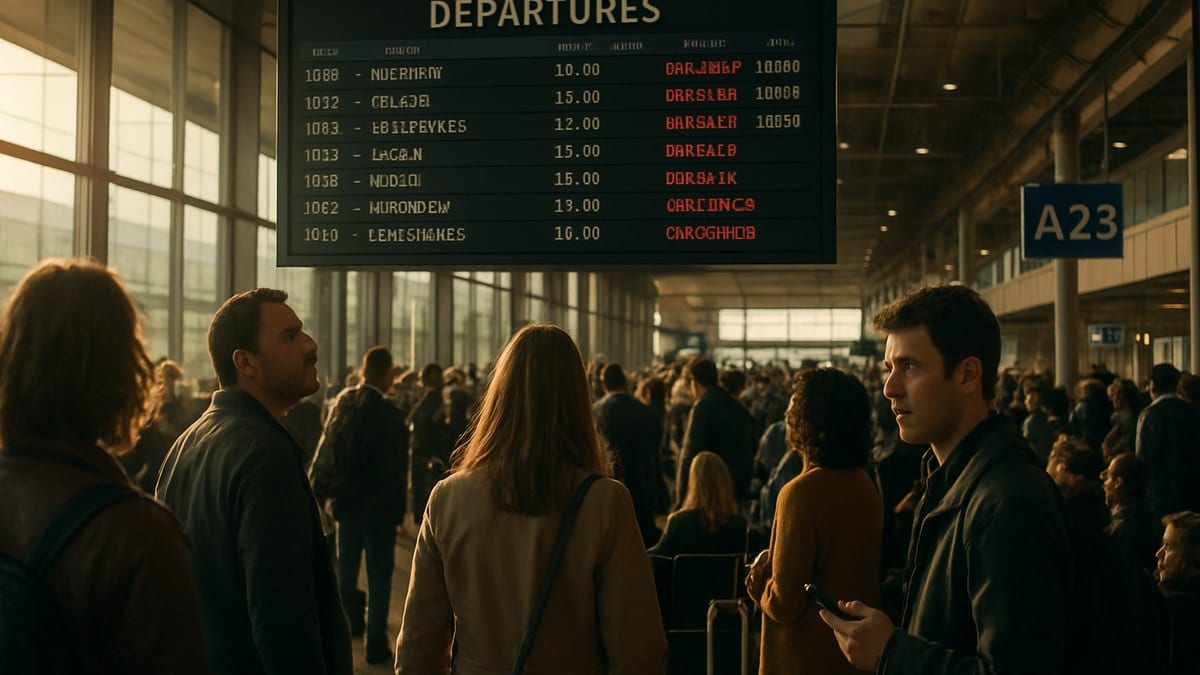
Weather Systems Collide With Record Spring Demand
Published coverage and aviation tracking data point to a sharp rise in delays at Florida hubs in March and early April 2026 as powerful storm systems intersect with the busiest weeks of the spring travel calendar. A major mid March blizzard affecting large parts of the Midwest and Northeast triggered ground stops and flow restrictions far from Florida, but the knock-on effects were felt on routes into Orlando, Tampa, Miami and Fort Lauderdale as aircraft and crews struggled to remain in position.
Orlando International Airport projected a record spring break, with around 53,000 flights scheduled over the peak period and an estimated 212,000 passengers on March 15 alone, an 8 percent increase over 2025 according to local broadcast reports. That surge left little margin when thunderstorms swept across central Florida and the East Coast, forcing a temporary ground stop in Orlando and producing hundreds of delays and cancellations just as many travelers attempted to head home at the end of school holidays.
Similar patterns emerged at Tampa International and regional airports along the Gulf Coast. Local coverage from the west coast of Florida highlighted waves of delays and cancellations on March 16 tied to severe weather across multiple states, with passengers on routes to cities such as Washington and New York facing rolling disruptions as storm cells shut down or slowed busy corridors along the Eastern Seaboard.
At a national level, industry groups have warned that spring 2026 volumes would again exceed pre pandemic records, estimating that roughly 171 million passengers would fly over the broader spring period. With Florida consistently ranking among the top leisure destinations, even relatively localized weather events are enough to create long lines and missed connections across the networks of major carriers and low cost airlines alike.
Florida Hubs Amplify National Disruptions
Network data and airport performance snapshots indicate that Florida’s major hubs are particularly exposed to ripple effects from problems elsewhere in the country. Orlando, Miami, Tampa and Fort Lauderdale sit at the heart of complex webs of domestic and international routes that connect Midwestern and Northeastern cities to Caribbean islands, Mexico and South America. When storms or congestion hit one part of that web, flights into Florida often arrive late or out of sequence, leaving aircraft and crews out of place for their next legs.
According to reporting by regional outlets, delays at Miami International in early April followed this pattern, with more than 260 late departures and arrivals on a single day tied to a mix of localized thunderstorms and earlier disruptions across the Americas. Routes linking Miami with major Latin American gateways such as Bogotá saw a cluster of delayed operations, illustrating how issues on one side of the network can cascade through connecting banks of flights on both ends.
Fort Lauderdale and Tampa have also been operating with dense schedules during the spring peak. Expanded seasonal service, including added capacity from low cost carriers targeting beach and cruise traffic, has pushed utilization higher on key days of the week. Publicly available flight logs show that when a storm band or air traffic control slowdown forces holding patterns or ground delays at those hubs, recovery can take days, as airlines work through backlogs with limited spare aircraft and crew hours.
These dynamics mean that a traveler departing from a smaller city in the Midwest or Northeast may experience a delay that originates far from their home airport. A late arriving aircraft from Florida, held earlier in the day by thunderstorms or congestion around a hub, often translates into a cascade of schedule changes across multiple subsequent segments, affecting passengers who never set foot in the state.
Staffing and Security Strains Add to the Backlog
While weather remains the most visible trigger of spring disruptions, staffing constraints have added a further layer of complexity on routes serving Florida. National reports on a partial federal government shutdown this year describe intensified pressure on Transportation Security Administration checkpoints just as passenger numbers surge. Travelers departing through Tampa, Sarasota and other Gulf Coast airports have encountered longer than usual security lines, with staffing stretched thin by budget uncertainty and high seasonal demand.
In central Florida, local broadcasters have highlighted both extended waits at security and periods in which thunderstorm delays forced large crowds of passengers to remain in terminals long after their scheduled departure times. Social media posts and community forum accounts from late March describe packed concourses at Orlando International, with some travelers reporting missed connections after spending hours in queues or holding areas.
Air traffic control staffing remains another focus. Industry publications reiterate that Florida airspace can see around 44,000 commercial and general aviation flights on a typical day, according to Federal Aviation Administration information. That volume has prompted ongoing efforts by professional associations and the FAA to refine traffic management initiatives in the state’s busy corridors, including use of ground delay programs when storms or volume spikes threaten to overload the system.
The combination of heavy traffic, intermittent staffing shortages and constrained infrastructure at some facilities has meant that even routine slowdowns can trigger formal traffic management programs. Those measures are designed to keep operations safe, but they inevitably translate into holding patterns, reroutes and schedule changes that ripple along the chains of flights linking inland cities to Florida’s beaches and theme parks.
Passenger Impact Spreads Beyond Florida’s Borders
The net effect of March’s rolling disruptions has been felt well beyond Florida. A recent analysis published by TheTraveler.org estimated that more than 31,000 flights across the Americas were delayed or cancelled in March 2026, with Florida’s hubs playing a central role in the pattern of disruptions across Mexico, Canada, the Caribbean and South America. Missed connections for travelers headed onward from Florida to secondary cities have become common, particularly on multi leg itineraries stitched together across several carriers.
Travel industry reporting notes that when blizzards or severe thunderstorms disrupt departures from major northern airports, aircraft scheduled to operate subsequent legs into Florida often arrive hours late or not at all. That in turn affects return flights to smaller U.S. markets, leading to overnight stays and mass rebookings. During the busiest weekends in March, some travelers connecting through Orlando and Miami reported being unable to secure same day alternatives, despite additional capacity that airlines added in anticipation of heavy demand.
Publicly available information from airlines and airport authorities suggests that carriers have responded by issuing targeted travel waivers around specific storm systems, allowing passengers on affected routes to change dates without fees. However, limited spare capacity during peak weeks has meant that many travelers still face crowded alternative flights and longer overall journeys when they do rebook.
The situation has reinforced the role of Florida’s gateways as both magnets for leisure demand and critical pressure points in the broader U.S. and regional aviation network. Spring 2026 has underscored how thin the margin for error can be when record passenger volumes converge with constrained staffing, complex route structures and volatile weather patterns.
How Travelers Are Adapting During Spring Peak
In response to the persistent risk of disruption, many travelers are adjusting their strategies for flying into and out of Florida this season. Guidance circulated by passenger rights groups and travel industry outlets emphasizes booking the first flight of the day where possible, allowing extra connection time at major hubs and using airline apps and independent trackers to monitor aircraft movements well before heading to the airport.
Airports in Orlando and elsewhere in Florida are promoting tools intended to ease choke points at security. Orlando International, for example, has expanded use of a reservation based system that allows passengers without paid trusted traveler status to book time slots for screening. Local reports suggest that the system, while not eliminating lines, has helped some passengers better predict how early they need to arrive during the busiest hours.
Travel experts quoted in national and regional coverage continue to recommend that passengers flying to or from Florida during March and early April build in contingency plans, including flexible hotel reservations and awareness of nearby alternate airports that may offer additional options in the event of a cancellation. Given current load factors, same day rebooking is often easier between large metropolitan areas than on niche point to point routes that operate only once daily.
With the spring peak overlapping Easter holidays, major festivals and the tail end of the winter cruise season, aviation analysts expect pressure on Florida bound routes to remain elevated through much of April. The experience of this year’s disruptions is already prompting fresh debate about how airlines, airports and regulators will prepare for the even heavier traffic expected in the summer months ahead.