

More news on this day
Spring storms sweeping across the eastern United States are colliding with an already stretched airline system, triggering chains of delays for flights linking New York’s John F. Kennedy International Airport and key Florida destinations at the height of the seasonal travel rush.
Get the latest news straight to your inbox!
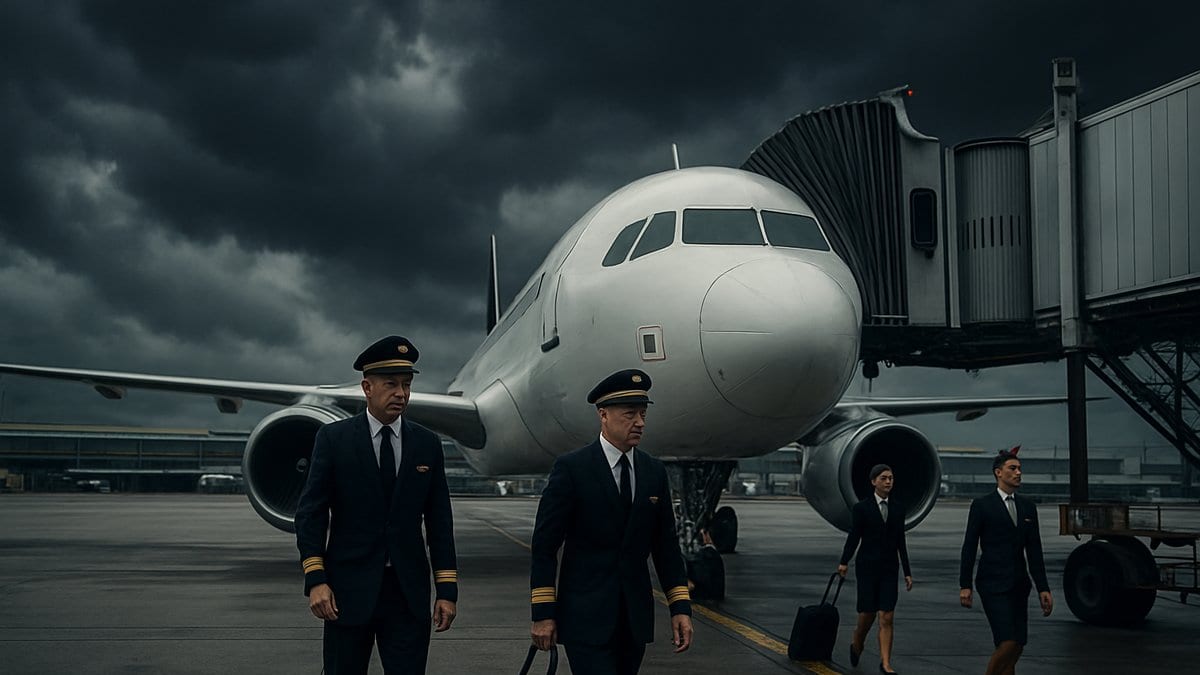
Stormy Skies Over New York and South Florida
Strong spring weather systems tracking across the East Coast and into the Southeast have repeatedly reduced airport capacity in recent days, leading to ground stops, slower arrival rates and extended taxi times. Publicly available aviation disruption tallies for early April 2026 show that severe thunderstorms and heavy rain have constrained operations at multiple major hubs, including New York and South Florida, just as airlines work through one of the busiest leisure travel periods of the year.
On April 7, nationwide data compiled by travel-industry outlets indicated more than 2,000 delays and close to 100 cancellations across the United States in a single day, with John F. Kennedy International among the affected airports. New York’s primary international gateway recorded close to 90 delayed flights and several cancellations, signaling continued strain on the Northeast corridor as storms and air traffic control programs intermittently slowed traffic flows.
The same unsettled weather pattern has been bearing down on Florida. Forecasters and local reporting highlighted rounds of thunderstorms and a flood watch across South Florida on April 7, with Miami International Airport and Fort Lauderdale-Hollywood International Airport each registering more than 200 delays into and out of the region around midday. Those figures illustrate how quickly a band of storms can ripple through tightly scheduled airline networks serving Florida’s tourism-heavy markets.
Chain Reactions Along the JFK–Florida Route
The JFK to Florida corridor, one of the most heavily traveled domestic leisure routes in the country, has been particularly vulnerable to knock-on disruption as storms impact both ends of the journey. When convective weather or low clouds trigger arrival and departure restrictions in New York, flights bound for Orlando, Miami, Fort Lauderdale and Tampa often depart late, leaving aircraft and crews out of position for subsequent turns back north.
Recent national statistics underline how even modest weather-related slowdowns can cascade across the system. On April 8, publicly available delay summaries pointed to more than 3,400 delayed flights across the United States, including well over one hundred at John F. Kennedy alone. At the same time, Florida hubs such as Orlando and South Florida’s airports continued to experience elevated delay volumes, reinforcing the feedback loop between northern and southern ends of the route.
Industry analyses of similar events earlier this spring describe how delays building through the morning quickly extend into the afternoon and evening, with connecting passengers misaligning with their onward flights and aircraft utilization plans unravelling. For New York–Florida flying, that means early-day disruptions on shuttle-style services can echo into late-night returns, especially where airlines rely on tight turnaround times to meet peak demand.
Operational Strain Meets Peak Leisure Demand
The weather-driven disruption is colliding with an airline system already under pressure from strong leisure demand, lean spare capacity and ongoing staffing challenges in key operational roles. Aviation data services tracking airline performance in early April report that some major carriers have seen more than a third of their flights run late on the worst days of the month, even when cancellation totals remain relatively contained.
Air travel advocates and compensation platforms analyzing the latest numbers link this strain to a series of spring weather events across North America, including severe storms that disrupted nearly a thousand flights in Canada and a separate wave of delays centered on large U.S. hubs. When those events coincide with school holidays and spring break traffic, the margin to absorb fresh disruptions on routes such as JFK to Florida becomes extremely thin.
Florida itself has emerged as a recurring pressure point within this broader pattern. Coverage focused on Orlando and Miami in recent weeks has described repeated episodes where thunderstorms, runway constraints or air traffic control limitations forced temporary ground stops and ground delay programs, producing hundreds of delays in compressed timeframes. Each of those clusters adds incremental stress to airlines funneling aircraft between the Northeast and the Sunshine State.
Travelers Face Crowded Gates and Tight Rebooking Options
For travelers moving between New York and Florida, the result has been longer days in terminals, crowded rebooking queues and limited same-day alternatives. With many flights running near capacity, especially on popular JFK routes to Orlando and South Florida beaches, even a small number of cancellations or significant delays can leave few open seats for disrupted passengers.
Publicly available flight-tracking dashboards over recent days have shown waves of JFK departures to Florida leaving later than scheduled, followed by tightly bunched arrivals at Florida airports already juggling their own weather windows. The compressed arrival banks can strain baggage handling, gate availability and ground services, all of which contribute further to turnaround delays and missed slots for flights heading back to New York.
Travel-focused outlets note that some passengers have been pushed to overnight stays or multi-stop itineraries when direct New York–Florida services fill up after storms. In particular, travelers trying to return from South Florida to JFK at the tail end of spring break periods are encountering constrained rebooking choices as airlines seek to reposition aircraft while also honoring existing reservations.
What the Latest Pattern Signals for the Weeks Ahead
Meteorologists and climate-focused travel commentary suggest that April sits firmly within a volatile severe-weather window for the eastern half of North America, with frequent storm systems capable of affecting multiple hubs at once. Recent analyses discussing the prospect of an unusually active El Niño pattern later in 2026 also point to the potential for continued weather-related disruptions as the year progresses, even though the most direct effects may emerge in future seasons.
For now, the immediate outlook for travelers on the JFK–Florida corridor is one of heightened uncertainty whenever storm systems line up with peak travel days. The combination of strong demand, limited slack in airline schedules and weather-sensitive airports at both ends increases the likelihood that relatively routine spring thunderstorms can ignite a fresh round of cascading delays.
Consumer advocates and travel planners observing the latest disruptions emphasize the importance for passengers of building flexibility into itineraries during this period. While airlines continue to operate the vast majority of scheduled flights, the recent pattern from New York to Florida shows how quickly a day of flying can unravel when severe spring storms meet an already stretched network.