

More news on this day
Spring travelers across the Sun Belt are facing a bruising 2026 season as storms, holiday crowds and a tightly wound airline network combine to strand hundreds at key hub airports from Dallas to Orlando and Phoenix.
Get the latest news straight to your inbox!
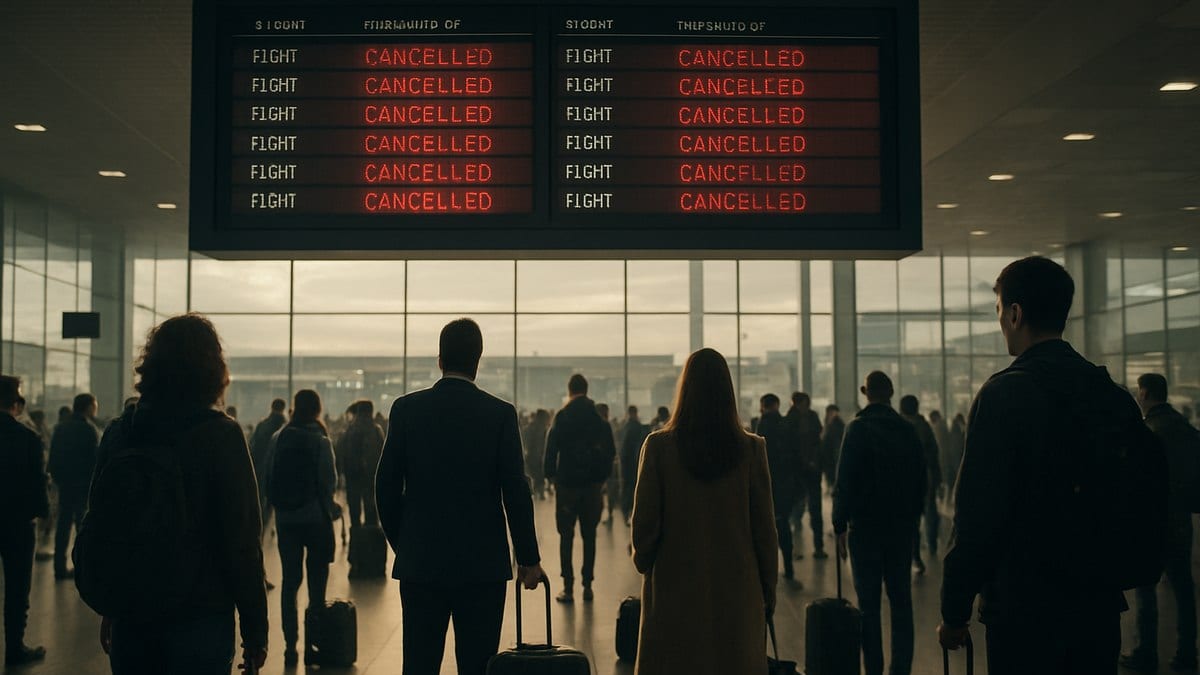
Storms and Holiday Crowds Collide Over Key Sun Belt Hubs
A volatile mix of severe weather and peak-season demand has turned several Sun Belt hubs into chokepoints for disruption during March and early April. Publicly available flight tracking data over Easter weekend indicated more than 5,500 delays and hundreds of cancellations nationwide on Saturday, April 4, with Dallas Fort Worth, Atlanta, Houston and Orlando among the hardest hit nodes in the network.
On Easter Monday, April 6, compiled figures showed more than 4,700 delays and just over 300 cancellations across the United States, with Dallas Fort Worth emerging as a major disruption hotspot. The Texas hub logged dozens of cancellations and hundreds of delayed departures and arrivals, rippling into connections across the Southwest, Midwest and East Coast at the height of the holiday rush.
Earlier in the season, a run of spring break demand around Florida and the Gulf Coast added extra strain to the same network. Reports from travel outlets indicate that Orlando in particular experienced days when banks of departures for low cost and leisure carriers were heavily delayed or canceled, setting the stage for the broader turbulence that followed in late March and early April.
As these events stack up, they are reinforcing a pattern familiar to frequent travelers: when storms and tight schedules converge during peak periods, the impact is felt first and most dramatically at hub airports that knit together domestic and international routes.
Dallas, Atlanta, Orlando and Phoenix Bear the Brunt
Dallas Fort Worth has consistently been at the center of the spring 2026 turmoil. On multiple days from late March into April, delay counts there ran into the high hundreds, at times affecting well over a third of the daily schedule. Published coverage drawing on flight boards and tracking platforms describes waves of late departures to cities as varied as Chicago, Orlando and Los Angeles, alongside cancellations on transatlantic services.
In the Southeast, Atlanta remains a pivotal pressure point. Aggregated data for early April indicate that the world’s busiest passenger airport has recorded hundreds of delays on several consecutive days, including services to Florida beach destinations and to secondary Sun Belt cities. Images and eyewitness descriptions in local and travel media depict long lines at customer service counters as missed connections piled up and rebooking options narrowed.
Orlando, long a bellwether for family and theme park travel, has also had an outsized role in this spring’s network stress. Travel reports for late March and Easter week describe heavy disruption for some low cost carriers, with evening departure banks reduced by weather holds and equipment being out of position. Once flights from Orlando or nearby Florida airports are scrubbed, seats on alternative departures around the country can quickly vanish, leaving travelers stranded far from the original storm cell.
Farther west, Phoenix Sky Harbor has seen its share of turbulence, though on a somewhat smaller scale than Dallas or Atlanta. Flight performance statistics for April 8, a day when storms cut across multiple regions, show Phoenix among a tier of large hubs experiencing significant delays tied to air traffic control restrictions and knock-on congestion elsewhere. For travelers heading between the Mountain West, California and the central United States, those slowdowns have meant tight connections evaporating and overnight stays becoming unavoidable.
Network Fragility Turns Local Storms into National Disruptions
While the trigger for many of this season’s problems has been localized weather, including thunderstorms tracking across Texas and the Southeast, the resulting turmoil has been national in scope. Publicly available analyses of April disruption patterns highlight how a cancellation at a single Sun Belt hub can strand passengers hundreds or even thousands of miles away when the affected aircraft and crews are scheduled for a series of rapid turnarounds.
Travel industry coverage points to a system operating close to its limits. Airlines entered the spring period expecting to handle roughly 2.8 million passengers per day through March and April, with limited slack in aircraft and crew rosters. When storms and air traffic control restrictions emerged over the central and southeastern United States around Easter, the lack of spare capacity meant missed connections quickly cascaded into later departures and next day cancellations.
Sun Belt hubs are particularly exposed in this environment because of their role as connectors between northern cities, coastal gateways and vacation destinations. Dallas Fort Worth and Atlanta link dozens of smaller communities to long haul routes, while Orlando and Phoenix sit at the crossroads of leisure and visiting friends and relatives traffic. When those hubs slow down, regional spokes from New Mexico to the Carolinas can see abrupt schedule changes, even under clear skies.
Recent data from passenger rights organizations suggests that many affected travelers are facing multi leg reroutes or overnight delays rather than quick same day alternatives. With aircraft and crews out of position, airlines have at times opted to trim schedules on following days in order to reset their networks, extending the disruption window beyond the original storm event.
Travelers Confront Long Lines, Limited Options and Patchy Communication
For travelers caught in the middle of the Sun Belt turmoil, the experience has been measured in nights on terminal floors, hours on hold and rapidly changing itineraries. Reports from consumer travel sites and social media document crowded gate areas and customer service lines at Atlanta and Orlando during the Easter period, with some passengers waiting several hours to secure new arrangements after missing connections from delayed inbound flights.
At Dallas Fort Worth, coverage by travel news outlets describes travelers facing shifting departure times and rolling delay estimates across multiple days, particularly on high frequency routes where airlines sought to consolidate lightly booked services. In some cases, passengers reported receiving rebooking options that involved long detours through secondary hubs or overnight layovers far from their original path.
In Florida, anecdotal accounts from Orlando and Tampa note a particular concentration of disruption for ultra low cost carriers that rely heavily on point to point routes and tight aircraft utilization. When evening thunderstorms or air traffic restrictions ground a portion of those fleets, it can take several days to re thread aircraft and crews back into normal rotations, stretching patience among budget conscious travelers with limited flexibility.
Across all of the affected hubs, publicly available commentary underscores uneven communication as a recurring concern. Some passengers reported early texts and app notifications that allowed them to adjust plans in advance, while others described learning of cancellations only upon reaching the airport. The uneven experience has renewed calls from consumer advocates for clearer baseline standards on notification timing and alternative options during mass disruption events.
What the Spring Meltdown Signals for the Rest of 2026
As mid April approaches, the pattern emerging from the Sun Belt hubs is raising questions about how the broader system will cope with the summer peak. Meteorologists and aviation analysts alike note that severe weather typically intensifies over the central and southeastern United States as the season progresses, while airline schedules become even more tightly packed.
Published commentary from travel analysts suggests that without additional buffers in crew staffing, aircraft availability and air traffic control capacity, episodes like the Easter disruption are likely to repeat. The concentration of so much connectivity through a handful of Sun Belt hubs, while efficient under normal conditions, appears to magnify the impact when storms or ground stops intervene.
In the meantime, the experience of early 2026 is reshaping traveler behavior. Advice from consumer publications now routinely emphasizes strategies such as booking earlier departures, favoring nonstops through less storm prone hubs when possible, and building in generous connection times when routings rely on Dallas, Atlanta, Orlando, Houston or Phoenix during the spring shoulder season.
For those already committed to upcoming trips, the recent turmoil serves as a reminder that flexibility and preparation can matter as much as destination choice. With the national air network operating near capacity and the Sun Belt squarely in the path of seasonal storm tracks, even routine journeys can quickly turn into extended odysseys when conditions deteriorate at the wrong hub at the wrong moment.