

More news on this day
Four Seasons Hotel Dalian is spotlighting the arrival of spring with a limited-time culinary collaboration between its Cantonese restaurant Saai Yue Heen and Yu Yuan, the Michelin-starred Cantonese restaurant at Four Seasons Hotel Seoul, creating a cross-border celebration of seasonal ingredients and modern Cantonese technique.
Get the latest news straight to your inbox!
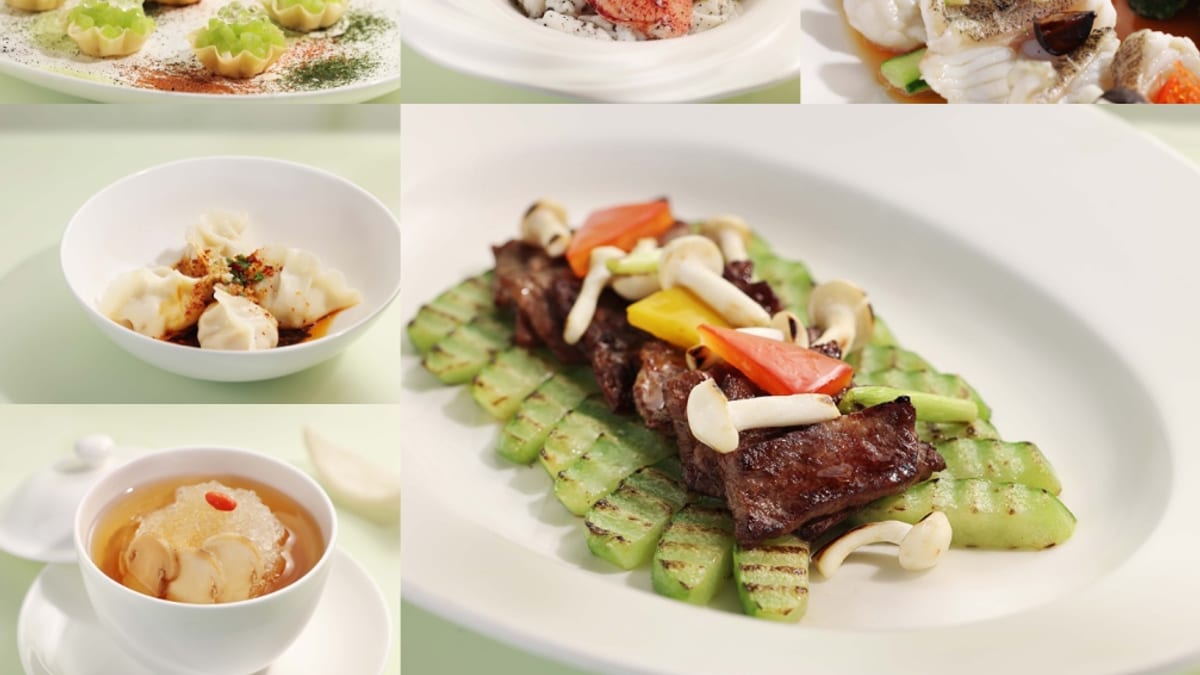
Image by International Hotels News, Hotel Industry & Hospitality News
A Cross-Border Cantonese Collaboration
According to published coverage, the initiative at Four Seasons Hotel Dalian forms part of the wider Passages of Spring series, which brings together leading Chinese restaurants across the Asia-Pacific region to explore seasonality through regional interpretations of Chinese cuisine. At Dalian, the focus is on a meeting of minds between Saai Yue Heen and Yu Yuan, blending coastal influences, refined Cantonese flavors and contemporary presentation.
Reports indicate that the collaboration emphasizes shared culinary philosophies rather than a single fixed menu, drawing on each restaurant’s strengths. Saai Yue Heen is known locally for honoring Cantonese traditions while integrating premium seafood from the surrounding waters, while Yu Yuan has gained international attention for its meticulous dim sum, classic Cantonese roasts and multi-regional Chinese specialties.
Publicly available information on Yu Yuan shows that the Seoul restaurant has retained its one Michelin star in the latest edition of the Michelin Guide Seoul & Busan, underscoring the level of culinary craftsmanship contributing to the partnership. The joint effort at Dalian is presented as an opportunity for guests to experience that standard of cooking through a seasonal lens, without leaving China’s Liaoning coast.
Rather than staging a single gala dinner, the program is positioned as an evolving tasting journey during the spring period, with signature dishes and ingredients rotating to reflect availability. The collaboration highlights techniques such as double-boiling, low-temperature poaching and precise wok-frying, core to Cantonese cuisine yet adapted here to showcase the delicacy of early-season produce.
Saai Yue Heen: Spring on the Liaoning Coast
Saai Yue Heen, perched high within Four Seasons Hotel Dalian, has built its reputation on Cantonese classics interpreted through the lens of northern coastal China. Recent menu updates at the restaurant have emphasized premium local seafood, live tanks at the entrance and an approach that marries traditional recipes with contemporary plating.
In the current spring offering, reports describe dishes that spotlight the vivid flavors of the season. Tossed Chinese toon shoots with olive oil bring out the herbaceous, slightly onion-like character of this early-spring delicacy, while marinated spring bamboo shoots paired with crisp stem lettuce and a sparkling citrus sauce are designed to emphasize texture and brightness.
Larger plates continue this theme, incorporating both land and sea. Wok-fried Hanwoo beef strip-loin with Pyeongchang chayote reflects a cross-border sourcing philosophy, uniting Korean beef and seasonal gourds in a Cantonese-style stir-fry. Steamed grouper with black garlic and spring onion oil applies classic steaming techniques to a fish prized for its firm flesh, with black garlic lending gentle sweetness instead of harsh pungency.
Available menus published by Four Seasons indicate that Saai Yue Heen’s Passages of Spring selection also includes double-boiled bird’s nest soup with pine mushrooms and gold leaf, reinforcing the restaurant’s emphasis on tonics and nourishing broths. These dishes sit alongside signature items such as stuffed wok-fried lobster with spring bamboo shoots and black truffle paste, bridging everyday seasonality with a sense of occasion.
Yu Yuan’s Michelin-Starred Influence
Yu Yuan at Four Seasons Hotel Seoul brings a different perspective to the Dalian collaboration, shaped by the competitive dining scene of the South Korean capital and the standards of the Michelin Guide. Publicly available information describes Yu Yuan as a Cantonese-led restaurant that also draws on specialties from other regions of China, with a menu that ranges from dim sum and barbecued meats to elaborate tasting courses.
The restaurant’s recent confirmation as a one-star establishment in the newest Michelin Guide Seoul & Busan edition reflects sustained recognition for what inspectors term high-quality cooking. The accolade follows years of intermittent star status, underlining a renewed focus on consistency, ingredient sourcing and precise execution under the current culinary leadership.
Menus published by Four Seasons Seoul show that Yu Yuan’s kitchen places particular emphasis on layered appetizers, delicate dumplings and slow-simmered soups featuring abalone, sea cucumber and other premium seafood, as well as the restaurant’s signature Beijing duck. These elements inform the Dalian collaboration, where the objective is to interpret such techniques through seasonal Chinese produce and the coastal context of Liaoning.
Although the full list of co-created dishes in Dalian has not been publicly detailed, coverage of the broader Passages of Spring program notes that Yu Yuan’s approach favors clarity of flavor and textural contrast. That philosophy appears in the way certain dishes in Dalian balance richness and freshness, allowing spring vegetables, aromatics and lighter sauces to temper the natural opulence of ingredients such as lobster and abalone.
Signature Dishes Showcasing Spring and Craft
Among the dishes most closely associated with the initiative in Dalian are preparations that highlight both the season and the chefs’ technical skill. Reports describe wok-fried lobster balls with black truffle paste as one of the standouts, using live Boston lobster hand-shaped into tender morsels, lightly crisped and coated in an aromatic sauce that layers earthiness over the shellfish’s inherent sweetness.
Another featured plate, slow-poached leopard coral grouper with soy essence, demonstrates the degree of control required in Cantonese low-temperature cooking. The fish, valued for its snow-white flesh and collagen-rich skin, is poached gently to preserve moisture and natural flavor, then finished with a refined soy reduction that adds depth without overpowering the delicate protein.
Dumplings filled with Dalian abalone and finished with black vinegar and chili oil appear in coverage as a symbolic bridge between winter and spring. The abalone reflects the coastal setting, while the thin wrappers and bright, spicy-sour dressing evoke a sense of awakening, both in terms of flavor profile and seasonal transition. Textural nuances, from the chew of the wrapper to the firmness of the shellfish, are central to the experience.
These spring-specific dishes sit alongside other Cantonese favorites that have been adapted for the season, including marinated bearded chicken with spring chives and braised beef with Chu Hou sauce and tangerine peel. Together, the offerings are presented as a curated journey rather than a fixed tasting menu, allowing diners to assemble their own progression through lighter, vegetable-driven plates and richer seafood or meat courses.
Seasonality, Presentation and the Wider Four Seasons Program
The Dalian collaboration is one component of a regional initiative that sees several Four Seasons Chinese restaurants across Asia Pacific interpret spring through their own culinary heritage. Other participating venues, including restaurants in Beijing, Bangkok, Kuala Lumpur and Tianjin, have unveiled dishes that similarly spotlight seasonal vegetables, fresh seafood and precise spicing, underscoring the diversity within contemporary Chinese cuisine.
In Dalian, presentation plays a key role in articulating the theme. Saai Yue Heen’s interiors, with their skyline views and refined tableware, provide a calm backdrop for plates that often reference traditional Chinese aesthetics. Public descriptions of the restaurant’s spring offerings highlight the use of pale celadon ceramics, ink-like sauces and restrained garnishes, intended to echo the softness and transience of the season.
The collaboration also aligns with a broader trend in high-end Chinese dining where seasonality and locality are increasingly foregrounded alongside technical mastery. By drawing on produce such as bamboo shoots, toon leaves and regional seafood, and by pairing these with cross-border influences from Korea and beyond, the Four Seasons properties involved seek to position Cantonese cuisine as both rooted in heritage and responsive to contemporary tastes.
For travelers passing through Dalian this spring, the program at Four Seasons Hotel Dalian offers a snapshot of these currents, situating the city within a wider regional dining conversation. With Saai Yue Heen as the host venue and Yu Yuan’s Michelin-recognized perspective in the mix, the collaboration provides a timely lens on how Chinese fine dining is interpreting the season across borders.