

More news on this day
StarCruises is expanding its 2026 Hong Kong program with three new five-night sailings aboard Star Voyager, opening up compact routes to Japan, Vietnam and southern China that the line says are designed for both regional holidaymakers and international fly-cruise guests.
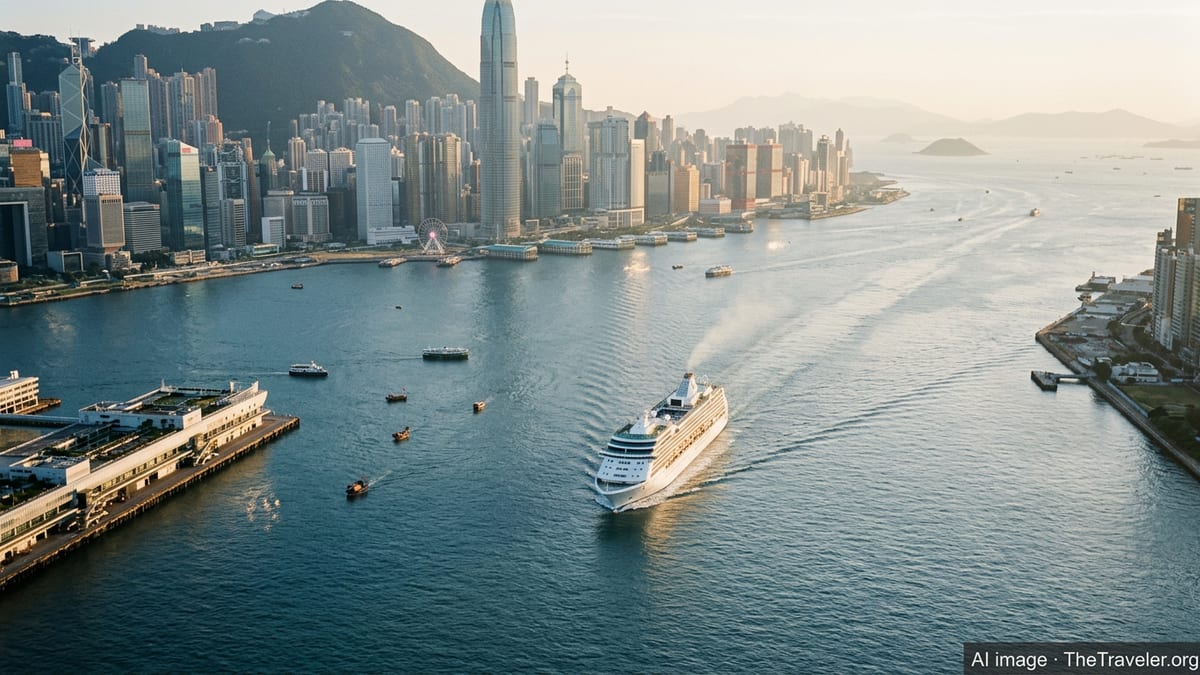
New 5-Night Routes Position Hong Kong as Regional Gateway
Operating between February and November 2026, Star Voyager will homeport in Hong Kong for a nine-month season that now includes three distinct five-night itineraries focused on nearby Asian destinations. The latest additions complement the ship’s existing mix of two- and three-night short breaks and longer cruises, strengthening Hong Kong’s role as a turnaround hub for the brand.
According to recent announcements from StarCruises and regional trade outlets, the new five-night departures are scheduled for March, April and May 2026, giving travelers defined windows to explore Japan’s Okinawa islands, Vietnam’s central coast and China’s resort city of Sanya. The departures follow earlier confirmation that Star Voyager would return to Hong Kong for an extended 2026 deployment aimed at building back regional cruise capacity.
The three sailings are marketed as quick but immersive escapes that combine sea days with full port calls, offering guests a taste of multiple countries within a single working week. Cruise industry analysts say the schedule responds to growing demand among Asian travelers for slightly longer “short-break” vacations that still fit within limited annual leave.
With these additions, StarCruises is signaling renewed confidence in Hong Kong’s air connectivity and port infrastructure, after several years of intermittent cruise operations in the region. The company is positioning the city as a flexible base from which guests can reach both Northeast and Southeast Asia in one season.
Japan’s Okinawa Headlines Island-Focused Voyages
Japan is a central focus of the new program, with itineraries featuring Okinawa and surrounding islands that are popular among both first-time and repeat cruisers in the region. Promotional materials highlight Naha, the prefectural capital known for its blend of subtropical beaches, Ryukyuan heritage sites and modern shopping streets, as a key call for Star Voyager in 2026.
On selected departures, the Okinawa-focused route is expected to combine Naha with other island or coastal destinations, providing passengers with opportunities for snorkeling, beach excursions and heritage tours. For Japanese authorities and local tourism boards, these calls add to a broader push to diversify international arrivals beyond the country’s largest urban centers.
The cruise line is marketing Okinawa as an easy introduction to Japan for guests who may be more familiar with Southeast Asian resort destinations, emphasizing relaxed waterfront experiences and relatively simple visa arrangements for many nationalities. At the same time, the five-night length gives more experienced travelers the chance to pair Okinawa with additional stops in Taiwan or coastal China on selected dates, depending on the final deployment pattern.
Industry observers note that Japan’s continued appeal as a safe, high-interest destination helps underpin demand for cruises from Hong Kong, particularly outside peak summer holiday periods. For StarCruises, leaning into Okinawa also distinguishes its offering from more traditional North Asia routes anchored solely around major metropolitan ports.
Vietnam Coastal Calls Tap Demand for Culture and Cuisine
Vietnam is another major beneficiary of the expanded program, with Star Voyager set to offer five-night journeys that highlight the country’s central coastline. The line is promoting port calls that give access to destinations such as Da Nang and nearby heritage centers, as well as beach resort areas popular with regional travelers.
These itineraries are positioned as culture- and cuisine-forward, with shore excursions expected to feature UNESCO-listed historic districts, local markets and street-food tours. Travel trade reports indicate that Vietnam’s combination of competitive shore pricing and rapidly improving tourism infrastructure makes it a strong fit for short regional cruises from Hong Kong.
For Vietnamese tourism officials, the new calls form part of a broader strategy to capture high-yield visitors who arrive by sea and often extend their stays on land before or after their cruise. The timing in March, April and May 2026 coincides with a generally favorable weather window along much of the central coast, a factor cruise planners increasingly emphasize in their deployment decisions.
The Vietnam routes also appeal to international fly-cruise guests who may pair a Hong Kong city stay with a compact cruise that delivers a concentrated introduction to the country. StarCruises is using that combination to market the sailings through overseas partners as a convenient way to sample both Hong Kong and Vietnam within a single trip.
Sanya and Southern China Strengthen Regional Appeal
The third pillar of the new five-night offering is Sanya, the tropical resort city on Hainan Island sometimes described in marketing materials as the “Hawaii of China.” Star Voyager’s itineraries are expected to include Sanya alongside other southern Chinese or regional ports, giving guests a warm-weather option that is relatively close to Hong Kong in sailing time.
Sanya’s beaches, upscale resorts and duty-free shopping outlets have seen rising interest from mainland visitors in recent years, and cruise arrivals are viewed locally as a way to diversify the tourism base. For StarCruises, including Sanya on a five-night itinerary allows the line to balance sea days with a full-day call in a destination that already has strong brand recognition among Chinese travelers.
By tying Sanya into a Hong Kong-based deployment that also reaches Japan and Vietnam, the cruise line is creating a triangle of regional options that can be mixed and matched across the 2026 season. Travel trade publications note that this flexibility is attractive for both group organizers and independent travelers, who can choose between cooler-climate Japan sailings and tropical China or Vietnam routes depending on the month.
The southern China focus also aligns with Hong Kong’s efforts to reinforce its role as a bridge between mainland tourism development and international markets. With Star Voyager basing in the city for much of 2026, local officials are likely to see the cruise program as a visible sign of the city’s rebound as a leisure gateway.
Targeting Short-Break, Family and Fly-Cruise Markets
StarCruises executives have framed the 2026 expansion as part of a wider strategy to capture several overlapping segments: families seeking school holiday getaways, young professionals looking for extended long-weekend escapes, and international travelers building multi-country Asia trips around a cruise core. The five-night length is seen as a sweet spot that is long enough to justify long-haul flights yet short enough to fit into tight annual leave calendars.
The company is also placing emphasis on value-oriented pricing compared with some competing lines in the region, banking on inclusive dining and entertainment as a draw for cost-conscious travelers. Analysts say the combination of accessible fares and a variety of short- and medium-length itineraries could help the brand win guests who are new to cruising or returning after a long hiatus.
Bookings for the new five-night sailings are set to open in mid-March 2026, giving travel agents and online agencies a window to package the cruises with flights and pre- or post-cruise hotel stays in Hong Kong. Early-bird promotions and group offers are expected to feature prominently in the launch phase as StarCruises moves to fill capacity for the initial departures.
As 2026 approaches, the performance of Star Voyager’s Hong Kong program will be closely watched by port officials and competing cruise brands weighing their own deployment decisions. If the five-night itineraries to Japan, Vietnam and southern China find strong traction, industry observers say they could become a template for further regional expansion in subsequent seasons.