

More news on this day
StarDream Cruises is accelerating its Asian growth strategy with an expanded portfolio of multi-destination itineraries, adding longer voyages from key hubs such as Hong Kong, Singapore and Taiwan while spotlighting new entertainment programming and elevated dining designed for regional travelers.
Get the latest news straight to your inbox!
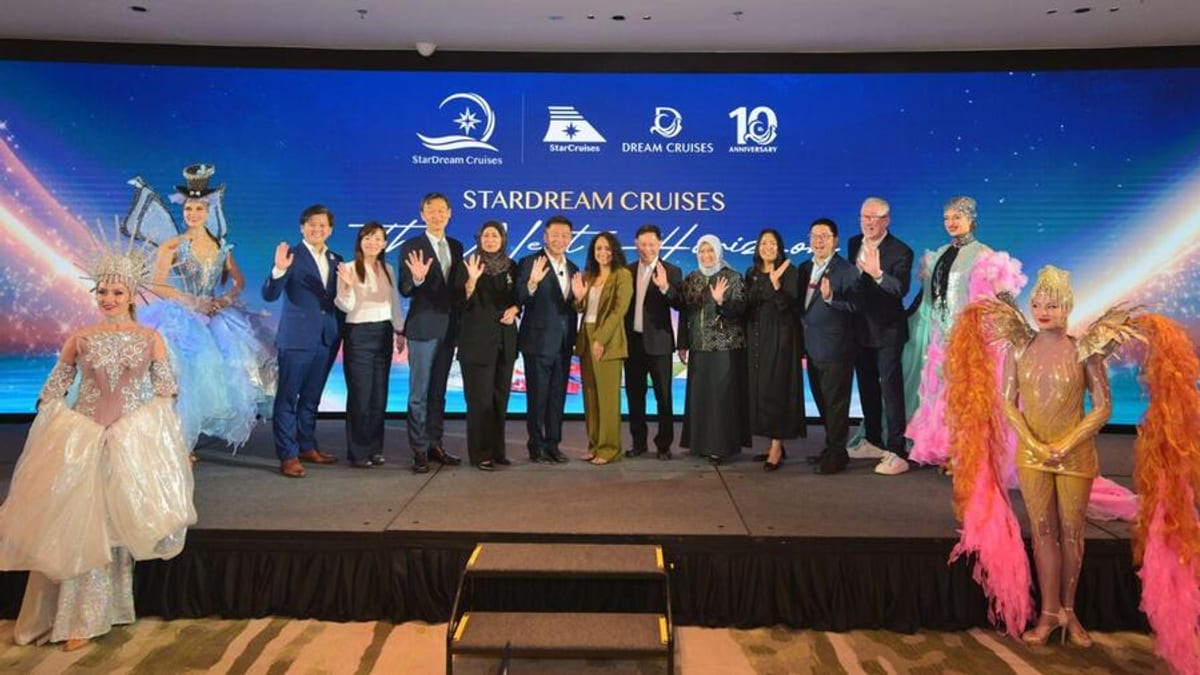
Image by International Cruise News: Latest Cruise Line & Cruise Ship News
Multi-Destination Voyages Across East and Southeast Asia
Recent deployment updates and trade coverage indicate that StarDream Cruises, parent company of the StarCruises and Dream Cruises brands, is steadily building a dense web of short and medium-length itineraries across East and Southeast Asia. The network now links Hong Kong, Singapore and Taiwanese ports with destinations including Okinawa, Vietnam, the Philippines, South Korea and Thailand, creating a mix of two- to five-night sailings aimed at both first-time and repeat cruisers.
Star Voyager, homeported in Hong Kong, has become a focal point of this expansion with new five-night options that pair the city’s urban energy with beach and culture stops in Okinawa and along the Vietnamese coast. Travel and trade reports describe itineraries such as Okinawa island-hopping routes and combined Vietnam and Sanya cruises that are positioned as “quick getaways” yet still cover multiple countries.
In Taiwan, Star Navigator is operating a season of itineraries from Keelung and, for select departures, Kaohsiung, with multiple three-, four- and six-day combinations calling at Japanese ports such as Naha, Ishigaki and Miyakojima, as well as South Korean gateways. Industry summaries note that these routes emphasize seasonal highlights, from spring cherry blossom sailings to late autumn coastal escapes, giving travelers reasons to return across the year.
Further south, Genting Dream’s 2026 to 2027 deployment out of Singapore is expected to layer in short regional circuits that include Pulau Redang and Koh Samui. Market analysis suggests that these itineraries are designed to be easily paired with land stays in major urban centers, reinforcing StarDream’s strategy of integrating cruising into broader Asia travel plans.
Year-Round Asian Focus and Flexible Itinerary Design
Publicly available information portrays StarDream Cruises as one of the few brands operating multiple ships year-round in Asia, positioning it as a regional specialist at a time when some global lines still rotate tonnage in and out seasonally. Trade coverage emphasizes the company’s three decades of experience in the market and its focus on tailoring product, deployment and pricing specifically to Asian travelers.
The latest program changes illustrate an increasingly flexible, data-led approach to itineraries. Reports highlight cases where shorter cruises, such as three-night Sanya runs, have been replaced or upgraded with longer five-night Okinawa voyages in response to booking trends, port capacity and school holiday calendars. This adjustment model allows the line to pivot quickly toward high-demand routes while maintaining a core pattern of weekend and midweek departures.
Another strand of the strategy is the ability to combine itineraries or sequence voyages across different homeports. Analysts note that guests can stitch together multiple short cruises, for example sailing from Hong Kong before joining a Southeast Asia leg from Singapore, effectively creating extended holidays without committing to a single long voyage. This modular structure appears aimed at the growing fly-cruise segment from India and other emerging markets.
Industry observers suggest that this regional concentration also enables closer cooperation with local tourism boards and port authorities, with itineraries increasingly spotlighting coastal cities that seek cruise-driven visitor growth. Destinations such as Samui, Nha Trang and smaller Japanese islands are being woven into programs in ways that distribute arrivals more evenly across the calendar.
Entertainment as a Signature Onboard Draw
StarDream Cruises has simultaneously been building a profile for entertainment-led cruising. Coverage of recent awards notes that the company secured regional recognition not only as a leading Asian cruise operator but also specifically for onboard entertainment, underscoring its investment in shows and programming.
Across the fleet, vessels like Genting Dream and Star Voyager are reported to feature large-scale theater productions, live music, themed parties and dedicated family venues such as kids’ clubs, game zones and water attractions. These offerings are marketed as reasons for multigenerational groups to cruise together, with the ship itself positioned as a resort-style destination between port calls.
For the fast-growing Indian and broader South Asian markets, new brand films and marketing campaigns spotlight entertainment that blends familiar cultural references with international-style productions. Publicly available material highlights narratives built around family reunions at sea, festival-style celebrations and nightlife options that do not require language fluency, broadening appeal across age groups and nationalities.
Travel trade analysis indicates that entertainment is also being used strategically to differentiate itineraries that revisit similar ports. Repeat guests are encouraged to discover new shows, seasonal events and themed sailings, helping the line sustain interest in core routes such as Hong Kong to Okinawa or Singapore to Thailand and Malaysia.
Regionally Tuned Luxury and Dining Experiences
While many of its itineraries are positioned as accessible, lifestyle-focused getaways, StarDream Cruises is also leaning into an upscale, experience-led narrative that emphasizes regional flavors and personalized service. Genting Dream in particular is frequently described as offering a blend of resort-style amenities and luxury touches, including higher-category suites, exclusive lounge areas and spa facilities.
Dining is a central part of this positioning. Reports and promotional materials point to broad restaurant lineups combining Chinese, Japanese, Indian and Southeast Asian cuisines with international favorites. On select ships, specialty venues and chef-driven concepts sit alongside inclusive main restaurants and buffets, giving passengers a choice between elevated culinary experiences and more casual options.
For Indian travelers, recent campaigns highlight the availability of vegetarian and Jain menus and familiar comfort dishes, as well as staff trained to understand specific dietary practices. This localized approach is framed as a way to lower the barrier to first-time cruising among guests who might otherwise be concerned about food fit, especially on multi-country itineraries that blend sea days with intensive port schedules.
At the same time, travel media coverage suggests that StarDream is using its dining product to reinforce the “cruise that knows Asia” message. Menus frequently incorporate regional specialties tied to destinations visited on a given voyage, allowing guests to sample local flavors even when they choose to remain on board rather than explore ports independently.
Competitive Impact on Asia’s Cruise Landscape
StarDream Cruises’ expanded deployment comes at a moment when Asia’s cruise sector is regaining momentum and new players are entering the market. Industry reports tracking 2026 itineraries note that Southeast Asia in particular is emerging as a focal point, with multiple brands adding capacity between Singapore, Vietnam, Thailand and Malaysia.
Within this competitive context, StarDream’s strategy of maintaining several year-round ships in the region, layering short breaks with more immersive five-night voyages and emphasizing culturally tuned entertainment and dining is seen as a bid to defend and grow its share among Asian travelers. Its heritage brands, StarCruises and Dream Cruises, continue to benefit from name recognition in markets such as Hong Kong, Taiwan and Singapore.
For travelers, the proliferation of multi-destination options from multiple embarkation points translates into greater choice in voyage length, price point and onboard style. Analysts suggest that this may accelerate demand from both established cruise markets like Japan and emerging source markets including India and parts of Southeast Asia, particularly as air connectivity improves and fly-cruise packages expand.
If current deployment patterns hold, observers expect StarDream Cruises to keep refining its Asian itineraries through 2026 and beyond, adjusting port combinations, entertainment lineups and dining concepts in response to guest feedback and booking data as the regional cruise recovery continues.