

More news on this day
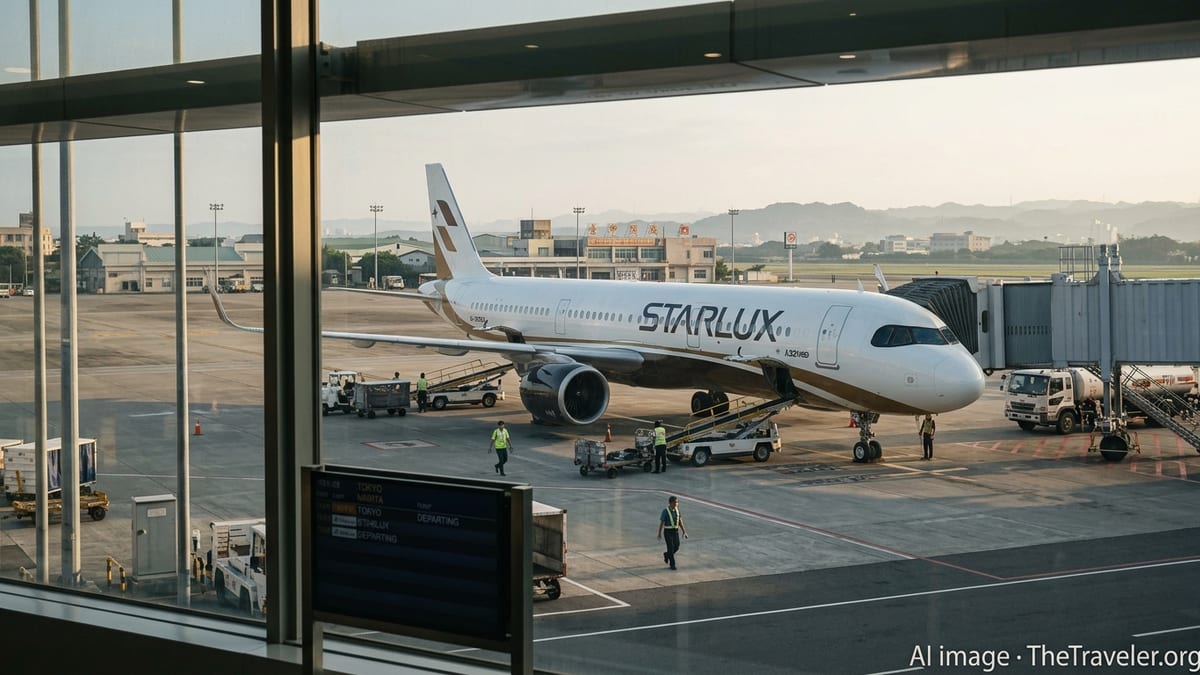
Starlux Airlines is introducing a new nonstop route between Taichung and Tokyo Narita operated by its Airbus A321neo fleet, creating a fresh Japan gateway for travelers from central Taiwan and expanding connectivity across the carrier’s growing East Asia network.
Get the latest news straight to your inbox!
New Taichung–Narita Route Strengthens Regional Links
The new Taichung to Tokyo Narita service positions Taichung International Airport as a more prominent gateway for international travel from central Taiwan, reducing the need for passengers to route through Taipei Taoyuan for Japan-bound journeys. Publicly available information indicates that Starlux is assigning its single aisle Airbus A321neo aircraft to the route, reflecting the airline’s strategy of using fuel efficient narrowbody jets on short to medium haul regional sectors.
By linking Taichung directly with one of Tokyo’s primary international airports, the route is expected to appeal to both leisure and business travelers who value shorter overall travel times and easier access to Japan’s Kanto region. The connection also offers an additional option for travelers from surrounding cities in central Taiwan, who can now bypass transfers via Taipei or other hubs when heading to Tokyo.
Industry observers note that the launch underscores Taichung International Airport’s role as a focus city within Starlux’s network. The new service adds to a growing portfolio of regional destinations from Taichung and signals continued investment in decentralizing Taiwan’s international air links away from a single dominant hub.
A321neo Cabin and Onboard Experience
Starlux operates the Airbus A321neo in a two class configuration featuring a small business cabin and a larger economy section, with a total of 188 seats according to fleet data made publicly available by the airline and aircraft manufacturer. The business cabin offers lie flat seating, a feature that remains relatively rare on short haul regional routes in North Asia and is likely to attract premium travelers on the Taichung–Narita sector despite its modest flight time.
The A321neo type is known for improved fuel efficiency, reduced noise, and upgraded cabin systems compared with earlier generation single aisle jets. Starlux has emphasized design focused interiors and inflight entertainment across its fleet, including seatback screens and connectivity options on many A321neo aircraft. On the Taichung–Tokyo route, this product positioning aims to differentiate the carrier in a market where passengers often compare service details such as seat comfort, entertainment, and onboard dining when choosing between regional airlines.
The choice of the A321neo also provides flexibility in matching capacity to demand. With under 200 seats, the aircraft allows Starlux to serve city pairs like Taichung–Narita with enough frequency potential while avoiding the risk of oversupplying larger widebody capacity during off peak periods.
Expanding Japan Access From Central Taiwan
Japan remains one of the most popular outbound destinations for travelers from Taiwan, and flights to Tokyo are typically among the busiest routes in the region during peak seasons. By adding a direct Taichung–Narita option, Starlux is tapping into sustained demand for leisure trips to Japan’s capital area and surrounding prefectures, as well as repeat visitors drawn to shopping, cultural experiences, and seasonal attractions.
For residents of Taichung and nearby cities such as Changhua, Miaoli, and Nantou, the new service reduces the travel time required just to reach an international departure point. Travelers who previously needed to journey north to Taipei Taoyuan or south to Kaohsiung for international services to Japan now gain a more convenient origin airport in their own region, which may also encourage short break travel and weekend trips.
The Narita link additionally enhances inbound tourism options for Japanese visitors interested in exploring central Taiwan. With direct flights into Taichung, tour operators and independent travelers can more easily access attractions such as Sun Moon Lake, Guguan, and the city’s cultural and night market districts without a domestic transfer from Taipei.
Strategic Role of Taichung in Starlux’s Network
Network data and company information indicate that Starlux designates Taichung as a focus city rather than a primary hub, complementing its main operations at Taipei Taoyuan. The addition of a high profile route to Tokyo Narita underscores the airline’s strategy of selectively building point to point services from secondary Taiwanese airports where there is clear local demand.
Positioning Taichung as a viable international gateway distributes traffic more evenly across Taiwan’s airport system and can ease congestion pressures at Taoyuan, particularly during peak holiday periods. For Starlux, this approach also creates more origin and destination traffic diversity, as not all passengers on the new route will necessarily be connecting onward; many are expected to be local travelers starting and ending their journeys in central Taiwan.
The Taichung–Narita service fits into Starlux’s broader expansion pattern, which has seen the airline grow from initial regional operations to a network spanning East Asia, Southeast Asia, and long haul routes. Adding another Japanese gateway pairing from Taiwan supports the carrier’s ambition to be viewed as a premium choice for regional travel as well as for connecting itineraries across its network.
Competitive Landscape and Passenger Outlook
The introduction of Starlux’s Taichung–Tokyo Narita flight adds another competitor to an already active Taiwan–Japan market. While many flights between the two countries operate from Taipei and Kaohsiung, the presence of a full service carrier operating from Taichung on a key Japanese city pair is likely to influence pricing, schedules, and product offerings among rival airlines over time.
From a passenger perspective, increased competition and additional capacity typically translate into more schedule options and potentially greater fare flexibility, particularly outside peak holiday periods. The use of a modern A321neo with lie flat business seats and contemporary economy cabins may appeal to travelers who prioritize comfort and onboard experience on regional flights.
Travel agencies and online booking platforms are expected to feature the new route among recommended options for central Taiwan residents planning Japan itineraries. As awareness grows, the Taichung–Narita service could become a core component of Starlux’s regional offering, reinforcing both the airline’s brand and Taichung’s role on the map of direct air links between Taiwan and Japan.