

More news on this day
A volatile mix of fierce spring storms, regional power problems and already‑fragile airline operations has created a perfect storm of disruption at James M Cox Dayton International Airport in recent days, stranding travelers from across the United States and turning what should have been routine connections through southwest Ohio into an exhausting travel ordeal.
Get the latest news straight to your inbox!
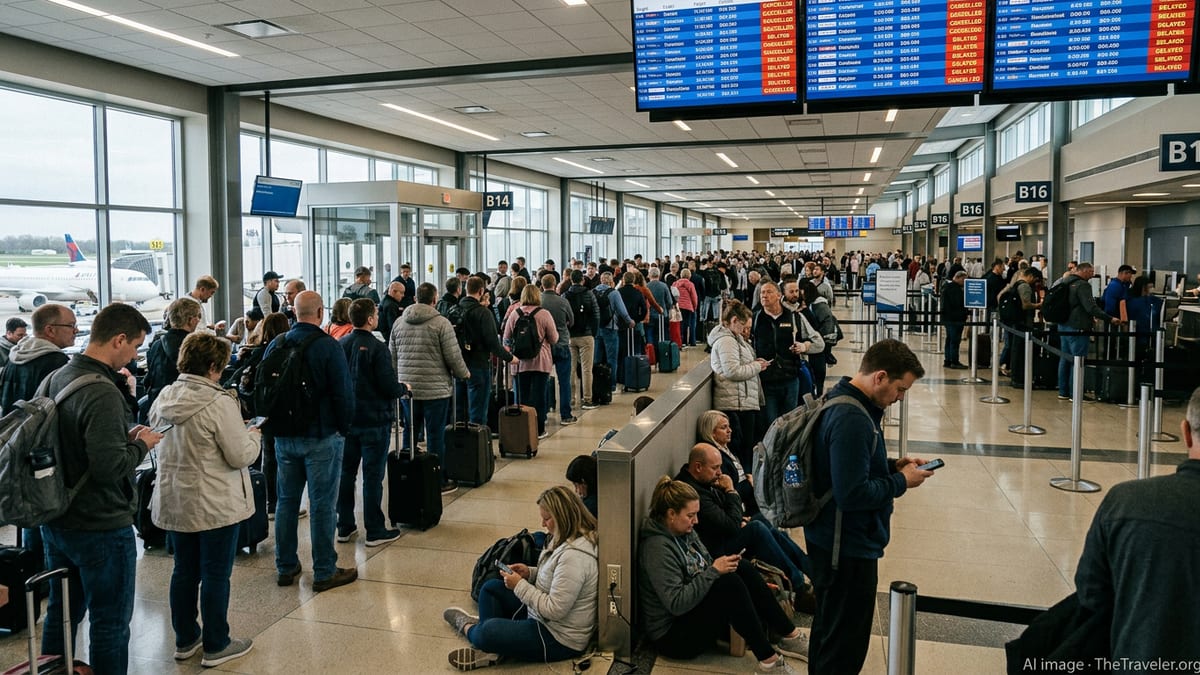
Severe Weather Pounds Southwest Ohio and the Air Network
The latest wave of travel problems at Dayton is unfolding against the backdrop of a powerful March 13–16 storm system sweeping across large parts of North America, bringing damaging winds, heavy rain and scattered power outages to Ohio and neighboring states. Publicly available outage trackers for southwest Ohio show thousands of customers losing electricity as gusts toppled trees and snapped lines in multiple counties, increasing the risk of knock‑on impacts for critical transport infrastructure.
While the airport itself has not reported a complete shutdown, strong crosswinds and low clouds have repeatedly forced airlines to slow operations, extend separation between arrivals and departures and reroute aircraft around the worst of the weather. These precautions ripple quickly through a tightly scheduled network, leaving passengers in Dayton facing rolling delays as aircraft and crews struggle to stay in sync with fast‑changing conditions further west and east.
The March storm chaos comes on the heels of a winter marked by major nationwide weather events, including a deadly late‑January winter storm that triggered more than ten thousand flight cancellations across the United States. That earlier disruption left many carriers with thin buffers in aircraft rotations and crew assignments, making smaller regional hubs like Dayton especially vulnerable when fresh bad weather arrives.
From Minor Delay to Multi‑Day Detour for Passengers
For many travelers, the problems at Dayton have not been limited to a few hours in the terminal. Reports from recent days describe itineraries unraveling into missed connections, unexpected overnights and multi‑stop reroutes that transform a straightforward domestic trip into a logistical maze spanning several time zones.
Regional jets linking Dayton to major hubs such as Atlanta, Chicago, Dallas and Washington are especially sensitive to disruption because they sit inside complex connection banks. When storms slow operations at any one of those larger airports, aircraft that should be cycling quickly through Dayton arrive late or out of sequence, and some never arrive at all. Flight performance data for the winter schedule already show certain Dayton routes posting poor on‑time ratings, leaving little margin when additional pressure from storms or air traffic restrictions hits.
Once a single link in that chain fails, travelers bound for destinations across the country often discover that there are few spare seats available on alternative flights from Dayton, forcing reroutes via Cincinnati, Columbus or even distant hubs. In practice, a modest delay on the departure board can turn into an overnight stay or an unplanned road trip to another airport as passengers scramble to salvage their plans.
Tech Outages and System Weaknesses Resurface
Weather is only part of the story. The current wave of frustration at Dayton is unfolding less than two years after a high‑profile technology incident in June 2024, when a global software problem briefly knocked out critical IT systems for airlines and other industries. Published coverage from that time shows passengers at Dayton queuing at manual check‑in counters and watching departure boards fill with delays as carriers reverted to backup procedures.
Although that particular bug has been patched, recent headlines from other US airports highlight how vulnerable modern aviation remains to sudden electrical or systems failures. Power outages at major hubs such as Kansas City and Baltimore in the past year produced hours of cascading delays and cancellations, and prompted renewed public scrutiny of how well airports and airlines can operate when primary systems go dark.
At Dayton, even the perception of fragility is enough to worry travelers. The combination of a smaller terminal footprint, leaner staffing and heavy reliance on regional jets means there are fewer alternate gates, spare aircraft or standby crews to absorb a shock if a critical piece of technology fails. When disruptive weather arrives on top of that, anxiety quickly spreads that an IT glitch or localized outage could tip the airport from slow going into full‑blown gridlock.
Regional Power Strains Raise New Concerns
The March storm system has also thrown a spotlight on the link between the broader power grid and airport reliability. Social media posts from across Ohio in recent days describe power cuts lasting from minutes to more than a day, with utilities warning of high winds bringing an elevated risk of line damage and voltage instability across multiple communities.
Even when an airport maintains service through backup generators and prioritized circuits, fluctuating conditions on the surrounding grid can complicate operations in more subtle ways. Voltage swings and brief losses of commercial power can force delicate navigation and communications equipment to reboot, slow down baggage systems or temporarily knock point‑of‑sale terminals offline at concessions, inconveniencing passengers already dealing with long waits and rebookings.
Dayton’s role as a backup destination for nearby airports adds another layer of strain. In recent weeks, travelers have noted instances where flights originally bound for larger Ohio airports diverted to Dayton during weather or operational issues elsewhere, pushing extra demand through a facility that typically handles a modest volume of daily departures. When that surrogate role coincides with unstable regional power conditions, every component of the travel experience, from parking shuttles to jet bridges, is tested.
Growing Scrutiny of Contingency Planning and Passenger Rights
The mounting frustrations at Dayton are feeding into a wider public debate about how well airports and airlines prepare for prolonged disruptions, and what options stranded passengers really have. Federal regulations require that US airports with commercial service publish contingency plans describing how they intend to handle excessive tarmac delays and provide access to basic services when aircraft are stuck on the ground for hours.
Dayton’s publicly available emergency contingency plan outlines procedures for moving passengers between aircraft and the terminal, coordinating with airlines on gate use and making restrooms, food and water available during extended delays. However, travelers navigating recent storms report that, in practice, actual relief can feel limited, with concessions closing early, information changing rapidly and hotel rooms near the airport quickly selling out when irregular operations stretch into the night.
Internationally, recent court decisions in Europe have added fresh attention to when airlines can claim that disruptions were caused by extraordinary circumstances beyond their control, and when operational choices play a decisive role. While those rulings do not directly govern domestic US flights, consumer advocates note that they contribute to a growing global expectation that carriers should be transparent about the true causes of delays and cancellations, and proactive in arranging care and rerouting when problems multiply.
For now, travelers passing through James M Cox Dayton International Airport are bearing the brunt of that fragile balance between weather, infrastructure and corporate systems. With the spring storm season just beginning and wider aviation networks still recovering from a turbulent winter, many passengers are bracing for more uncertainty every time they see Dayton on their itinerary.