

More news on this day
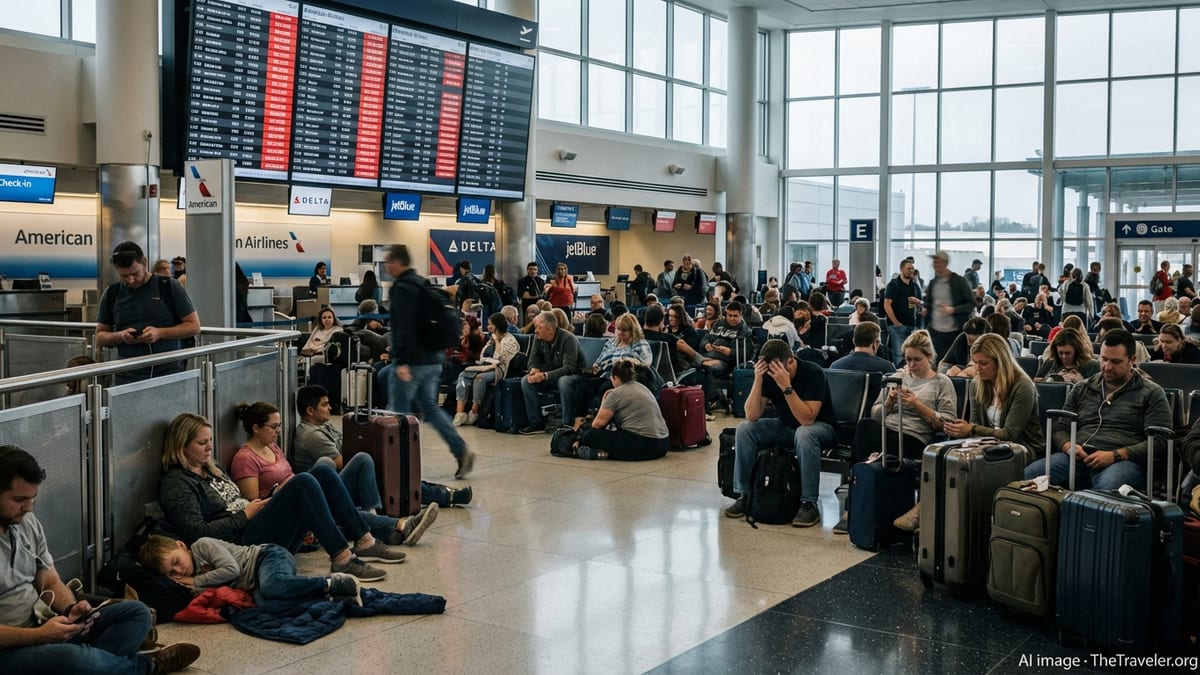
Thousands of passengers were left stranded at Orlando International Airport on Wednesday as 233 flights were delayed and 18 cancelled, with a powerful Northeast winter storm triggering widespread disruption for American Airlines, Delta, JetBlue and other carriers across major hubs in Miami, Atlanta, New York and Providence.
Weather System in Northeast Triggers Nationwide Disruptions
The severe winter storm sweeping across the Northeastern United States this week has rippled far beyond the blizzard zone, snarling air travel at one of Florida’s busiest gateways. Orlando International Airport, a key connector for flights to and from the Northeast, has seen its operations heavily affected as airlines struggle to recover from days of mass cancellations and schedule changes.
Flight tracking data shows that as the storm intensified over the past 48 hours, more than 8,000 flights across the country were delayed or cancelled, with New York, Boston and Philadelphia among the hardest hit. Those knock-on effects are now being felt in Florida and the broader Southeast as aircraft and crews remain out of position, leaving passengers in Orlando facing rolling delays, missed connections and overnight stays in crowded terminals.
Although conditions at Orlando itself remained clear, the airport’s reliance on traffic from the Northeast has magnified the impact. Flights to and from New York area airports, Boston and Providence have been among the most affected, with passengers reporting last-minute gate changes, extended ground holds and departure times pushed back by several hours.
Passengers Face Long Waits, Confusion and Limited Options
Inside Orlando International’s terminals, the disruption translated into long queues at ticket counters and rebooking desks on Wednesday morning and afternoon. Families returning from Florida theme parks, international visitors heading home through connecting hubs, and business travellers bound for major cities all found themselves competing for scarce seats on later flights.
Several passengers described spending the night on terminal floors or in crowded seating areas after late evening departures to New York and other Northeast destinations were scrubbed or heavily delayed. Others reported receiving multiple schedule revisions via airline apps and text messages, only to see their flights cancelled shortly before boarding.
Airport staff and airline agents worked to rebook travellers on the next available services, but limited spare capacity and continuing weather constraints at origin and destination airports meant that some passengers were being offered new itineraries one or even two days later. With hotels near the airport quickly filling up, many travellers faced the prospect of staying in the terminal until a new departure time could be confirmed.
Major Carriers Hit: American, Delta, JetBlue and Regional Partners
The disruption at Orlando has been spread across multiple airlines, with American Airlines, Delta Air Lines and JetBlue among the most affected because of their extensive route networks linking Florida to storm-battered Northeastern cities. Numerous flights between Orlando and New York, including services to John F. Kennedy and LaGuardia, experienced significant delays or cancellations as carriers restructured their schedules to cope with the weather emergency.
Delta’s operations between Atlanta and Orlando, a key feeder route for connections to the Northeast and Midwest, also saw knock-on delays as aircraft arriving from storm-impacted cities arrived late or were reassigned. JetBlue, which has a strong presence at New York airports and a sizable operation in Florida, continued to cancel a large share of its services after scrapping a substantial portion of its schedule earlier in the week.
Regional and partner airlines feeding into the major hubs also reported irregular operations. Flights into Miami and Fort Lauderdale from the Northeast remained under strain, and any cancellations or extended delays at those airports further constrained options for passengers in Orlando attempting to rebook through alternate Florida gateways.
Ripple Effects Across Miami, Atlanta, New York and Providence
The problems at Orlando are part of a wider network disruption playing out across key U.S. hubs. Miami International Airport has logged dozens of delays and cancellations tied to the same winter system, particularly on routes to New York, Boston and other Northeast cities digging out from heavy snow and powerful winds. In South Florida, travellers have faced similar scenes of rebooking lines and crowded concourses as airlines trim or consolidate flights.
Atlanta, the nation’s busiest hub and a critical connecting point for Delta, has also been managing residual impacts. While operations there remained more stable than in the Northeast, delays on inbound aircraft from affected cities translated into late departures to Orlando and other Florida destinations, adding another layer of complexity to already fragile schedules.
In the Northeast itself, airports in New York and Providence have been at the center of the storm fallout, with a combination of runway conditions, visibility issues and strong winds forcing airlines to cancel or significantly delay flights. Those operational constraints have limited the number of aircraft and crew rotations available to serve Florida routes, leaving Orlando-bound passengers facing uncertainty even on days when the weather at their departure or arrival airports looks deceptively calm.
Airlines Urge Passengers to Check Status and Use Digital Tools
As carriers continue working through the backlog, airlines are urging customers traveling through Orlando and other affected airports to monitor their flight status closely and to allow extra time at the airport. Many have issued weather waivers allowing travellers booked on certain dates and routes to change their flights without additional fees, although fare differences can still apply on some rebooked itineraries.
Digital tools, including airline mobile apps and automated messaging, have become crucial for passengers navigating the disruption. Travellers are being advised to confirm departure times before leaving for the airport, to sign up for real-time alerts, and to check whether their itineraries involve connections through storm-struck cities that may remain vulnerable to renewed delays.
With forecasts calling for lingering winds and ongoing cleanup operations across the Northeast, airlines and airports warned that recovery could take more than a day, even as weather conditions slowly improve. For those stranded at Orlando International Airport, Wednesday’s delays and cancellations were a stark reminder that a storm hundreds of miles away can still bring travel plans to a halt in the heart of sunny Florida.