

More news on this day
Severe travel disruption hit Cincinnati/Northern Kentucky International Airport on Tuesday as a powerful winter storm slamming the northeastern United States triggered 35 flight delays and 29 cancellations, snarling connections on Delta Air Lines, American Airlines, United Airlines, Frontier Airlines and other carriers across Cincinnati, Chicago, Atlanta, Dallas and major Midwest and East Coast routes.
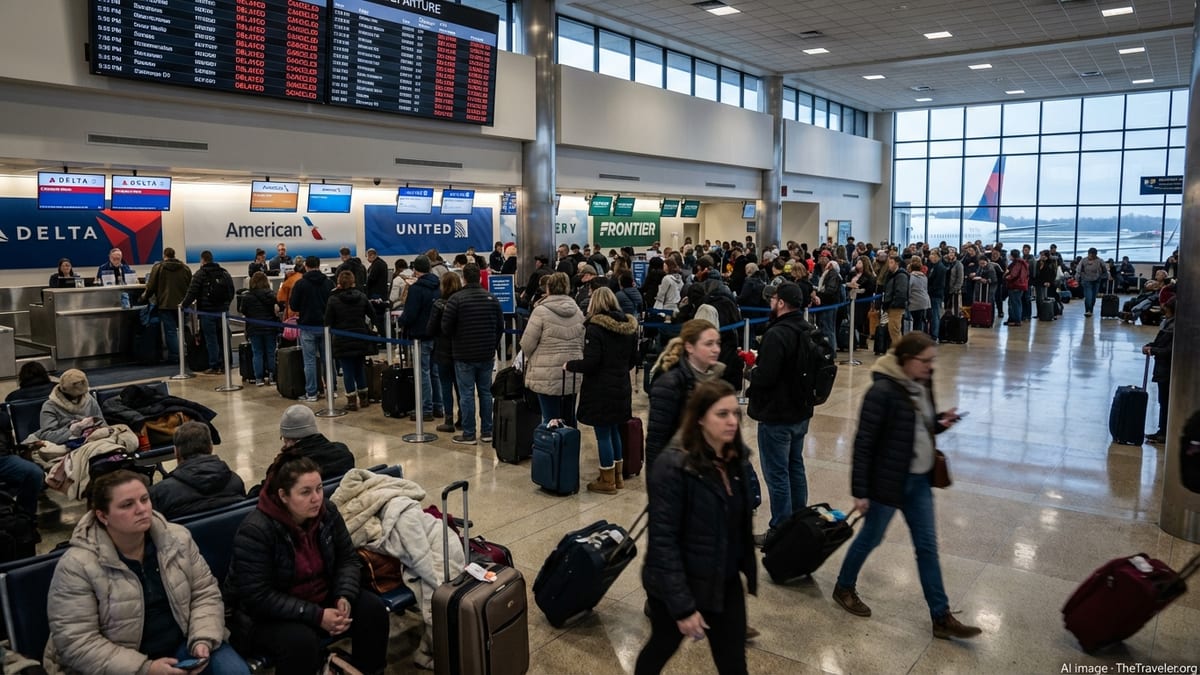
Winter Storm Fallout Ripples Through Cincinnati Hub
The disruption at Cincinnati/Northern Kentucky International Airport, known by its code CVG, comes amid a far-reaching blizzard system that has upended air travel across the country. While skies over the Cincinnati region remained largely clear, the airport serves as a critical connector to storm-battered hubs in the Northeast and Upper Midwest, where conditions have forced airlines to trim schedules and reposition aircraft.
By midafternoon Tuesday, operational data indicated that dozens of departures and arrivals at CVG were either significantly delayed or removed from the schedule altogether as airlines struggled to maintain network integrity. Many of the affected services linked Cincinnati with cities such as Chicago, Boston, New York and Philadelphia, where snow, high winds and low visibility have constrained runway capacity and slowed ground operations.
Airport officials stressed that the majority of the disruption stemmed from conditions elsewhere in the national airspace system rather than local weather or infrastructure issues. However, for travelers on the ground in Cincinnati and Northern Kentucky, the distinction brought little comfort as long lines formed at ticket counters and rebooking desks.
Major U.S. Carriers Forced to Trim Schedules
The disruption has cut across most large U.S. carriers operating at CVG, with Delta Air Lines, American Airlines, United Airlines and Frontier Airlines among those reporting multiple delayed and canceled flights through the day. Regional affiliates operating under big-airline brands have also been heavily affected, particularly on shorter routes that connect Cincinnati to Chicago, Detroit, New York and other key hubs.
Delta, which maintains a significant operation at nearby Atlanta and serves CVG with frequent connections across its network, has been juggling both weather-related schedule changes and separate operational challenges. Delays on northbound flights into storm zones have cascaded back into Cincinnati, with aircraft and crews arriving late or being reassigned to other routes with more pressing demand.
American and United have faced similar strain as their own hubs in Chicago and on the East Coast contend with runway congestion, deicing backlogs and slot restrictions. Frontier Airlines, which focuses on point-to-point leisure routes, has also been forced to cancel or retime services where aircraft routing would bring planes into storm-affected airspace, further tightening available capacity for travelers departing CVG.
Travelers Confront Long Waits, Missed Connections
For passengers at CVG on Tuesday, the operational jargon of schedule optimization translated into long waits, missed connections and last-minute itinerary changes. Families returning from school holidays, business travelers facing critical meetings and international passengers connecting through major hubs all found themselves lining up to secure scarce open seats on later departures.
Many travelers bound for East Coast destinations were being advised to expect overnight stays or multi-stop routings that could add many hours to journeys that would normally take just a short hop. With hotel rooms near some major northeastern airports at a premium, several passengers opted to delay trips by a day or more rather than risk being stranded mid-journey.
Customer service agents at airline counters and call centers spent much of the day processing rebookings and refund requests under federal rules that require repayment when a flight is canceled and the passenger chooses not to travel. Others were working to reroute travelers through still-operational hubs such as Dallas, Atlanta or Midwestern cities less severely impacted by the storm in an effort to keep people moving, albeit on indirect paths.
Midwest and National Network Strain Intensifies
The disruption at CVG is part of a broader pattern of strain across the national aviation network as the winter storm forces airlines to rethink patterns of aircraft and crew deployment. Airports in Chicago, Detroit and other Midwestern cities, though not at the epicenter of the blizzard, have absorbed diverted flights and rerouted connections that would typically flow through now-constrained East Coast hubs.
As a result, Cincinnati’s links to cities like Chicago and Dallas have also come under pressure, with some flights retimed to synchronize with revised bank structures at major hubs. Airlines have prioritized routes with heavy demand or limited alternative options, leaving thinner secondary routes more vulnerable to cancellation or extended delays.
Industry analysts note that the modern hub-and-spoke system, while efficient under normal conditions, can amplify the impact of severe weather when disruptions hit multiple nodes at once. Even airports like CVG, where runways remain clear and local operations are stable, can see a significant portion of their schedule affected when connecting hubs are forced into rolling ground stops or sharply reduced arrival rates.
Officials Urge Passengers to Check Status and Plan Ahead
Airport authorities and carriers serving CVG urged passengers to monitor flight status closely and avoid heading to the terminal without a confirmed departure time. With aircraft and crews still out of position after days of challenging conditions, further rolling delays and cancellations remained possible into the evening and potentially into Wednesday as airlines worked to reset their schedules.
Travelers with flexible plans were encouraged to consider voluntary changes, including shifting departure dates or flying at off-peak times, to ease pressure on the system and improve their chances of a smoother journey. Those who must travel were advised to arrive early, keep airline apps and notifications active, and stay close to their departure gates in case earlier-than-expected boarding opportunities arise.
While CVG’s winter operations teams have continued to keep runways, taxiways and airport roadways clear and operational, officials reminded passengers that ultimate decisions on whether a flight operates rest with each airline. With the powerful winter storm still unwinding its impacts across the Northeast and beyond, Cincinnati travelers were bracing for the possibility that Tuesday’s disruptions could extend into the days ahead as the nation’s air travel system slowly recovers.