

More news on this day
Millions of UK travelers are being warned to expect a difficult Easter getaway as Storm Dave brings strong winds, heavy rain and disruptive snow to large parts of the country, threatening delays, route closures and widespread transport disruption.
Get the latest news straight to your inbox!
Storm Dave Targets Busy Easter Getaway
Met Office forecasts indicate that a rapidly deepening low pressure system named Storm Dave will move in from the Atlantic late on Saturday 4 April and into Easter Sunday 5 April, coinciding with one of the busiest travel periods of the year. Yellow wind warnings have been issued across Scotland, Northern Ireland, north Wales and parts of northern England, with gusts widely expected to reach 50 to 60 miles per hour and potentially higher in exposed coastal and upland areas.
Published guidance from the Met Office notes a small chance of gusts approaching 80 to 90 miles per hour in parts of Scotland, raising the risk of power interruptions, fallen trees and hazardous crosswinds on bridges and exposed routes. Separate forecasts highlight the potential for heavy snow over higher ground in northwest Scotland, where blizzard conditions could quickly make roads impassable.
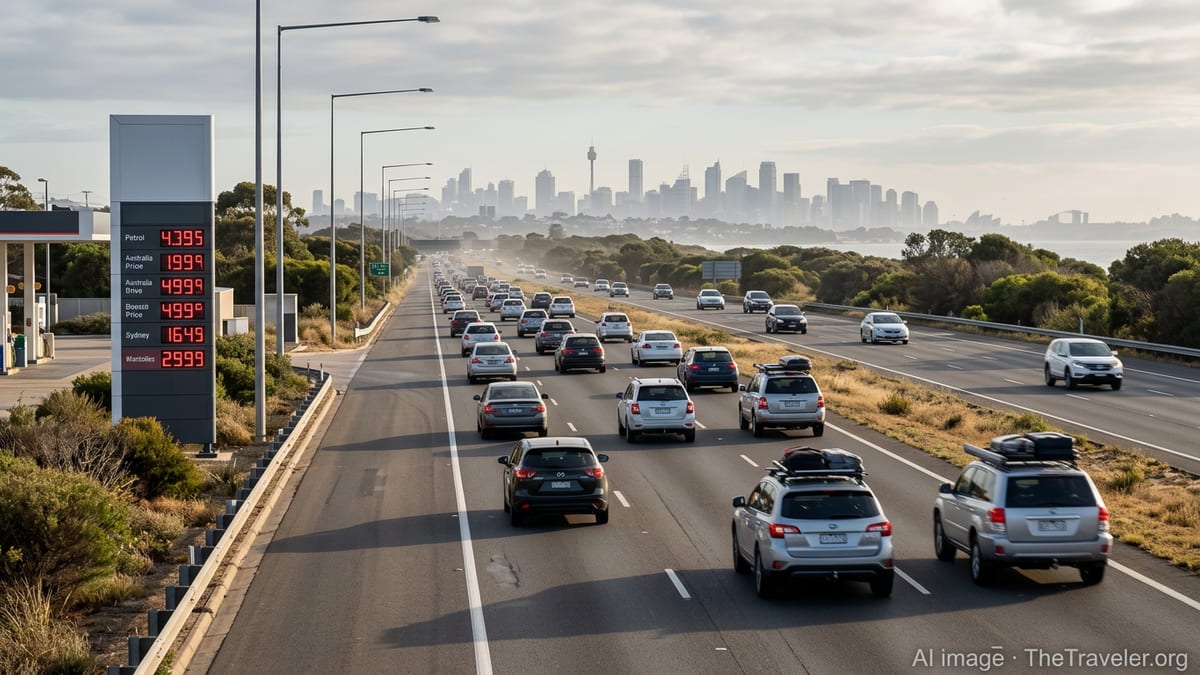
Travel industry figures underline how poorly timed the storm is for holidaymakers. The RAC and other motoring organisations project that this Easter will be the busiest on UK roads since 2022, with tens of millions of leisure journeys expected from Good Friday through Easter Monday. According to coverage from UK broadcasters, travel association estimates suggest that around two million people are also due to fly abroad over the holiday weekend.
With high traffic volumes already forecast and Storm Dave expected to peak during the core getaway window, transport operators are warning of a greater likelihood that relatively minor incidents could cascade into lengthy delays as networks struggle to recover.
Roads: High Winds, Surface Water and Holiday Traffic
For motorists, the main hazards associated with Storm Dave are likely to be very strong crosswinds, sudden gusts, standing water and, in northern areas, snow and ice. Publicly available guidance on severe weather travel highlights that high sided vehicles, caravans and vehicles towing trailers or roof boxes are particularly vulnerable to gusts on exposed stretches of motorway and on bridges.
National and regional forecasters warn that coastal and upland routes in Scotland, northern England and north Wales could see difficult driving conditions, with a risk of debris on the carriageway and reduced visibility in heavy showers or blowing snow. In the Highlands and western Scotland, where colder air is expected to interact with the storm system, some routes at higher elevation may experience temporary closures if snow accumulates or drifting becomes severe.
Motoring organisations are advising drivers to allow significantly more time for journeys, particularly on popular holiday corridors such as the M5 towards the South West, routes into north Wales, and trunk roads serving the Lake District, Yorkshire Dales and Scottish Highlands. Reports from traffic planners indicate that congestion on these routes is already anticipated to be heavy even without the added complication of severe weather.
Travel advice from emergency planning bodies stresses the importance of checking live travel updates, keeping fuel tanks topped up and carrying warm clothing, food, water and phone chargers in case of extended delays. Drivers heading to remote or rural accommodation are being encouraged to confirm access conditions locally, as minor roads are often the first to be affected by fallen branches or localised flooding.
Rail and Urban Transport: Planned Works Meet Severe Weather
The rail network faces a combination of planned engineering closures and potential weather related disruption over the Easter weekend. Network Rail has already announced major upgrade work on key main lines around the country, including routes in and out of London and important regional hubs in the Midlands and North West. These projects are scheduled to run through the bank holiday period, reducing capacity and diverting some services.
Separate coverage of Storm Dave’s projected impact on rail notes that strong winds and the risk of snow in northern areas raise the prospect of speed restrictions, debris on tracks and short notice service alterations on top of the planned works. Some operators are warning that parts of Scotland and northern England could see temporary route suspensions if conditions deteriorate, particularly on exposed rural lines.
Passengers in London and other major cities are also being advised to check for local closures that are unrelated to the weather but coinciding with the storm window. In the capital, for example, reports indicate that certain suburban stations and sections of track will be shut for scheduled works over the bank holiday, with rail replacement buses in use on some lines.
Given this combination of engineering work and storm risk, rail passengers are being urged by operators and industry bodies to check journey planners on the day of travel, allow extra time for connections and be prepared for crowded services on the lines that remain open. Travelers heading to airports or ferry ports by rail are being encouraged to factor in potential delays and to consider earlier departures where possible.
Airports and Cross Border Travel: Knock on Flight Disruptions Likely
While UK airports are expected to remain open through Storm Dave, aviation analysts note that strong crosswinds and low cloud can lead to temporary runway restrictions, go arounds and diversions, particularly at more exposed airports in Scotland, Northern Ireland and northern England. According to travel industry coverage, airlines have already been monitoring the forecast closely and may issue preemptive schedule adjustments if the outlook worsens.
Experience from previous named storms suggests that passengers could face a mixture of delays, aircraft being out of position and limited short notice cancellations, especially on short haul routes around the peak of the storm late on Saturday and into Easter Sunday. The knock on impact may extend into Easter Monday if aircraft and crews are displaced.
Travel data collated ahead of the holiday period indicates that leisure demand is strong, with package holidays and city breaks in Europe proving particularly popular. As a result, any disruption may be felt acutely by families and groups with fixed check in times, transfers and onward connections.
Airlines are recommending that passengers keep contact details up to date in booking systems, monitor their carrier’s app or website for alerts and arrive at airports in good time, while being prepared for queues at check in and security if services bunch up following periods of strong wind. Those with tight onward travel plans are being encouraged to review ticket flexibility and travel insurance coverage before departure.
What Travelers Can Do Now
With Storm Dave still approaching, there is a short window for travelers to adjust plans and build in resilience. Publicly available advice from weather and emergency planning agencies stresses the importance of monitoring updated forecasts, as the position and intensity of the storm system may shift, altering which regions are most affected and at what times.
Road users considering long journeys on Saturday evening or Easter Sunday may wish to explore alternative departure times, particularly if traveling through the areas currently covered by yellow wind warnings. For some, bringing trips forward to earlier on Saturday or delaying returns until conditions ease may reduce exposure to the most hazardous weather and to potential road closures.
Rail and air passengers are being encouraged to reconfirm bookings, download operator apps and check in online wherever possible to reduce time spent queueing. Those with flexible tickets may be able to rebook to services outside the peak warning periods if operators open up such options, a step that has been taken in previous storms to spread demand.
For travelers heading to remote holiday accommodation, campsites or coastal locations, local information from accommodation providers and regional travel updates can be particularly valuable. As Storm Dave approaches, the overall message from published guidance is to travel only if necessary in the worst affected areas, to stay informed, and to prepare for journeys to take longer than usual over this Easter weekend.