

More news on this day
Storm Dave’s powerful winds and wintry conditions are already disrupting travel across parts of Europe, and aviation analysts warn that flight schedules are likely to remain fragile over the busy Easter holiday period.
Get the latest news straight to your inbox!
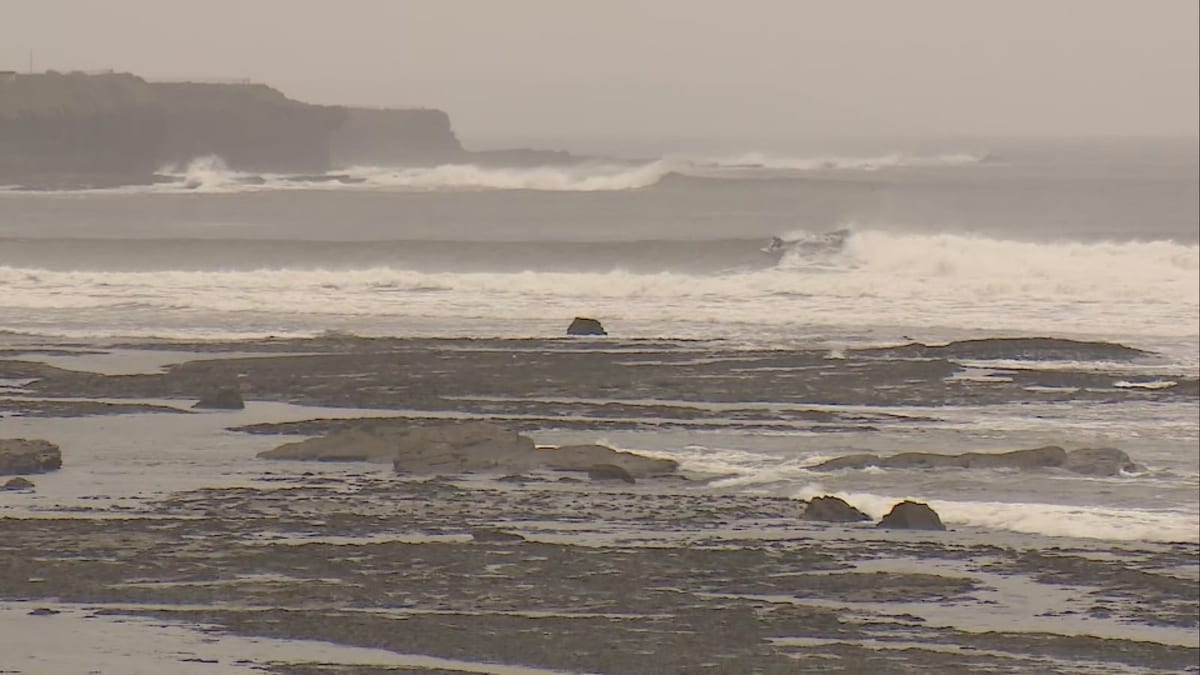
Storm Dave batters key hubs as Easter getaway peaks
Storm Dave made landfall in northwestern Europe over Easter weekend, bringing strong winds, heavy rain and hill snow to parts of Ireland and the United Kingdom. Publicly available weather guidance from national forecasters highlighted gusts reaching 60 to 70 miles per hour in exposed areas, with the risk of fallen trees, debris and difficult driving conditions.
Those conditions have translated directly into delays and cancellations for air travelers. Reports from Irish media on Saturday indicated that airlines at Dublin Airport had already cancelled around 15 flights, split between departures and arrivals, citing hazardous crosswinds and wind shear around the airfield. Airport updates warned that further disruption was possible as the storm system tracked east.
Beyond Ireland, regional coverage in the UK described a similar picture, with weather warnings in force across swathes of England, Wales and Scotland as Storm Dave crossed the country. Forecast discussions pointed to potential impacts on road, rail, ferry and air services, prompting operators to caution passengers that services could be altered at short notice.
Maritime links have also been affected. On the Isle of Man, local news reports noted multiple steam packet sailings between Douglas, Liverpool and Heysham cancelled on Saturday because of deteriorating conditions in the Irish Sea, underlining the breadth of transport disruption connected to the storm.
Knock-on effects expected to ripple through airline networks
While the number of outright flight cancellations directly linked to Storm Dave remains modest compared with some past European windstorms, the timing and geography of the system raise the risk of prolonged disruption. Dublin, Edinburgh, Manchester and several London airports all serve as key hubs or focus cities within short-haul airline networks, meaning delays and ground holds at one location can cascade across the continent.
Travel industry outlets tracking day-of-operations data on Saturday highlighted dozens of cancellations and hundreds of delays across airports in Ireland, the UK, France, Belgium and Turkey, with the figures fluctuating as airlines adjusted schedules. Carriers including low cost operators and national airlines were reported to be retiming flights, switching aircraft and consolidating services in response to the weather.
Aviation analysts point out that storms like Dave can cause disproportionate disruption at times of already heavy demand. The Easter period is among the busiest stretches of the year for leisure traffic in Europe, with aircraft operating at or near full capacity and limited spare crews or aircraft to absorb irregular operations. When a storm forces a wave of delays late in the day, it can leave aircraft and crews out of position, creating further issues the following morning even after the worst of the weather has passed.
Experience from earlier storms this season suggests that passengers may continue to see altered schedules for at least 24 to 48 hours after the strongest winds abate. That pattern has been observed repeatedly in recent European windstorm seasons, where airports avoided complete closures but still recorded elevated levels of delays and scattered cancellations for several days.
Airports urge passengers to monitor flights and expect changes
Airports in the path of Storm Dave have been using public statements and social media channels to urge travelers to verify their flight status before setting out. As of Saturday afternoon, Dublin Airport was advising intending passengers not to travel to the terminals unless their flight was confirmed to be operating, reflecting concerns about overcrowding in departure halls when multiple services are delayed or cancelled.
Similar messages have appeared in updates from airports and airlines around the Irish Sea and across the UK, where operators have highlighted the potential for last minute gate changes, reassignments of arrival stands and the use of remote stands requiring bus transfers. Ground handling can also slow significantly in high winds and heavy precipitation, as staff restrict ramp activity for safety reasons and equipment is secured against gusts.
Passengers connecting through hubs in continental Europe may experience knock-on delays even if their journey does not pass directly through the storm zone. Airline scheduling data compiled by specialist travel outlets shows that missed connections, crew duty time limits and aircraft repositioning can affect services many sectors away from the original disruption, particularly on short-haul European routes with tight turnarounds.
With conditions still evolving, published guidance stresses that day-of-travel information from airlines remains more reliable than general flight trackers or third party apps, which can lag during rapidly changing weather events.
Travelers weigh options on rebooking, rights and protections
Specialist passenger rights organizations note that storms such as Dave are typically classified as extraordinary circumstances under European air travel regulations, meaning that cash compensation for delays and cancellations is unlikely. However, airlines are still expected to provide rerouting or refunds when flights are cancelled, and to offer care such as meals and accommodation in some cases, depending on the jurisdiction and exact circumstances.
Recent guidance from consumer advocacy groups recommends that travelers hold on to boarding passes, booking confirmations and receipts for any additional expenses incurred while stranded. Where airlines issue travel waivers, passengers may be able to change to alternative flights on different days without change fees, although fare differences can still apply if the same booking class is not available.
The mix of low cost and network carriers serving Ireland and the UK means that passenger experiences can vary considerably. Some airlines emphasize self-service tools and apps for rebooking, while others lean on staffed call centers and airport ticket desks. Additionally, travelers booked through online travel agencies may need to coordinate changes through those intermediaries rather than directly with the airline.
Travel analysts observing recent US and European storm disruptions also highlight the importance of proactive planning. They point to patterns in which passengers who accept early rebooking or voluntary travel date changes, when offered, tend to avoid the worst congestion during peak disruption hours.
Practical steps for passengers in the coming days
For those scheduled to fly into or out of affected regions over the next 24 to 72 hours, aviation and travel experts suggest building additional buffer time into itineraries. That includes allowing longer layovers for connections, avoiding the last flight of the day where possible, and considering flexible rates on hotels and ground transport in case of unexpected overnight stays.
Travel publications tracking the impact of Storm Dave recommend that passengers use official airline and airport channels to confirm departure times, terminal information and security wait estimates on the morning of travel. Checking in online as early as permitted, and arriving at the airport earlier than usual during active weather warnings, can provide additional flexibility if queues lengthen.
For those who have not yet started their journeys, there may also be options to adjust plans preemptively. Some carriers historically introduce short notice booking waivers during significant storms, allowing customers to move travel to earlier or later dates without penalty. Monitoring carrier announcements and, where appropriate, contacting customer service ahead of time can make it easier to secure seats on less disrupted services.
As Storm Dave tracks away from the British Isles and the immediate wind threat eases, aviation observers expect a gradual normalization of schedules, though the exact timeline will depend on how quickly airlines can reposition aircraft and crews. Until then, travelers across Europe are likely to face an unsettled few days in the skies.