

More news on this day
UK travellers heading off for the Easter bank holiday are being warned to expect significant disruption as Storm Dave brings very strong winds, heavy rain and the risk of snow to parts of the country just as millions begin their getaway.
Get the latest news straight to your inbox!
Storm Dave Arrives As Easter Getaway Peaks
Storm Dave was officially named by the UK Met Office in the run up to the Easter weekend, with forecasters highlighting the potential for damaging gusts and hazardous conditions across northern parts of the country from Saturday evening into Easter Sunday. A deep area of low pressure is forecast to track to the northwest of the UK, strengthening the jet stream and driving bands of wind and rain across Scotland, Northern Ireland, northern England and north Wales.
Weather guidance indicates that gusts could reach 70 to 90 miles per hour in exposed coastal and upland areas, particularly in western and northern Scotland. In addition to strong winds, colder air circulating around the system is expected to bring snow to higher ground in the Highlands and potentially to some upland routes in northern England and north Wales.
Met Office information shows that a yellow warning for wind covers mainland Scotland for much of Saturday night into Sunday, with separate alerts in force for Northern Ireland and parts of northern England and Wales over similar timeframes. While southern England and the Midlands are currently expected to see less severe conditions, forecasters still anticipate bouts of heavy rain and blustery winds that may slow local journeys.
The storm arrives at the end of what has already been a turbulent winter and early spring for the UK, following a series of named storms that brought flooding, power cuts and travel disruption. Publicly available outlooks suggest that, although Storm Dave may not reach the intensity of the most severe recent events, its timing over the bank holiday significantly raises the risk of disruption for travellers.
Road Network Braced For Heavy Traffic And Hazardous Conditions
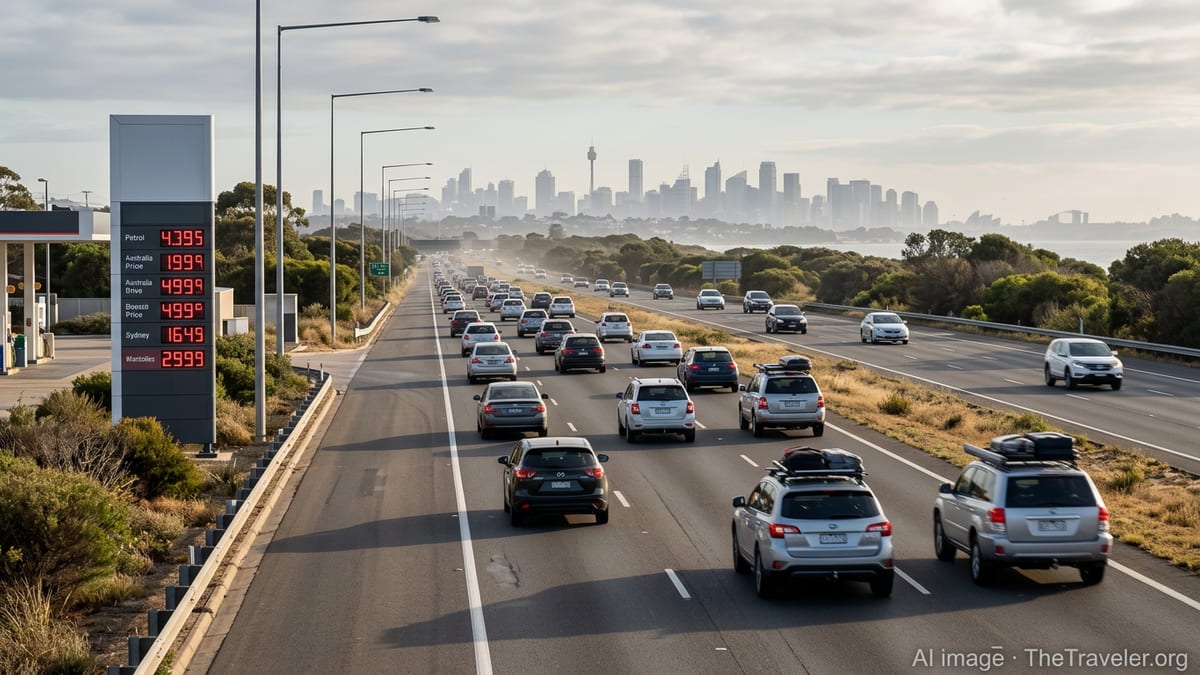
Traffic forecasts from motoring organisations and transport analysts indicate that this Easter is likely to be the busiest on UK roads since 2022, with research pointing to tens of millions of leisure journeys planned between Good Friday and Easter Monday. Even before Storm Dave was named, congestion was expected to build on key routes linking major cities with coastal and rural holiday destinations.
The arrival of high winds and heavy rain is now expected to exacerbate those delays. Strong crosswinds can make driving difficult on exposed stretches of motorway and bridges, particularly for high-sided vehicles and caravans that are common on bank holiday weekends. Surface water, spray and the risk of localised flooding may further slow traffic and increase stopping distances on both major and minor roads.
Public information from road safety agencies stresses the importance of reducing speed in poor visibility, allowing extra space between vehicles and avoiding sudden manoeuvres in gusty conditions. Drivers are also being urged to check tyres, lights and wipers before setting off, and to secure roof boxes, bicycles and other loads that could be affected by sudden gusts.
With traffic expected to remain consistently high through the weekend, journey times on popular routes such as the M5 towards the South West, the M6 towards the Lake District and Scotland, and cross-country links towards north Wales are likely to extend well beyond usual schedules. Travellers are being advised to plan additional time, carry water and basic supplies, and to monitor traffic updates closely in case collisions, fallen trees or flooding lead to road closures and diversions.
Rail, Ferry And Air Travel Face Disruption Risk
Rail passengers are also being warned to prepare for potential delays as Storm Dave moves in. High winds can trigger speed restrictions on exposed lines and may lead to short-notice closures if debris, fallen trees or flooding affect tracks and overhead power lines. Experience from previous named storms has shown that even limited damage in one area can result in knock-on disruption across wider parts of the network.
National rail information ahead of the holiday period already pointed to a busy weekend, with some routes affected by planned engineering work. The added risk from severe weather means services in Scotland, northern England and across the border to Wales and Northern Ireland are particularly vulnerable to delay, short-notice timetable changes or train cancellations from late Saturday into Easter Sunday.
Ferry operators serving routes across the Irish Sea and to island communities around Scotland may also be forced to adjust schedules. Published guidance for previous storms shows that services can be delayed, rerouted or cancelled when strong winds and heavy seas make docking unsafe, especially on more exposed crossings. Travellers heading to or from Northern Ireland, the Hebrides, Orkney and Shetland are being urged via public advisories to keep a close watch on operator updates.
Air travel is expected to feel the impact both at home and abroad. Travel trade bodies estimate that around two million UK residents are flying overseas over the Easter holiday, with major airports reporting heavy demand. Strong winds in the UK can lead to air traffic flow restrictions, go-arounds and diversions, while poor conditions at popular European destinations may also cause knock-on delays. Reports from travel industry sources have suggested that queues at airport security and border control were already building ahead of the peak weekend, meaning any weather-related disruption could further increase waiting times.
Where And When The Worst Of The Weather Is Expected
Forecasts compiled on Friday 3 April indicate that the most intense period of stormy weather will occur from Saturday evening into the first half of Easter Sunday. The strongest winds are predicted across Scotland, particularly western and northern coastal areas, with widespread gales and severe gales on higher ground. Mainland Scotland is covered by a yellow wind warning from Saturday evening until around midday on Sunday, highlighting the potential for power interruptions, difficult driving conditions and disruption to transport services.
Northern Ireland is under a similar yellow wind warning from Saturday afternoon into the early hours of Sunday, covering all six counties. Publicly available guidance notes the risk of difficult crosswinds on exposed routes, short-term loss of power in some communities and possible damage to temporary structures such as scaffolding and marquees.
In England and Wales, the focus is on northern areas. Weather alerts in force from Saturday evening cover north Wales, including Conwy, Denbighshire, Flintshire, Gwynedd and Anglesey, and a swathe of northern England between Liverpool and Newcastle. While gusts here are generally expected to be lower than in the far north and northwest, they may still be strong enough to disrupt road, rail and ferry operations, especially in combination with heavy showers.
Further south, including the Midlands, southern England and London, conditions are forecast to be unsettled but less extreme. Short-lived spells of heavy rain and blustery winds are possible, particularly on Saturday, but current outlooks suggest that widespread disruption is less likely. Nonetheless, forecasters caution that even modest changes in the storm’s track could alter the pattern of impacts, and travellers are being urged to check updated forecasts regularly.
How UK Travellers Can Prepare Over The Coming Days
With millions of people already committed to Easter plans, the focus has turned to practical steps to reduce the risk of disruption and improve safety. Travel organisations and consumer sites are advising passengers to build additional flexibility into itineraries, including allowing more time to reach airports, rail stations and ferry terminals and considering earlier or later departures where possible.
Those travelling by air are being encouraged to check their flight status before leaving home and to sign up for airline or airport alerts in case of schedule changes. Guidance from passenger rights groups suggests keeping boarding passes and receipts for any extra expenses in case delays or cancellations give rise to compensation claims under relevant regulations.
For road users, planning shorter driving legs, identifying service stations in advance and avoiding the windiest periods overnight on Saturday into Sunday may help reduce exposure to the worst conditions. Car hire customers and those towing caravans or trailers are being urged by motoring organisations to familiarise themselves with how their vehicles handle in strong winds, and to consider postponing journeys on the most exposed routes if conditions deteriorate.
Across all modes, the consistent message from publicly available advice is to stay informed. Checking national and regional weather forecasts several times a day, monitoring live traffic and transport feeds, and following operational updates from airlines, train operators and ferry companies can help travellers make informed decisions and adjust plans at short notice as Storm Dave moves through over the Easter weekend.