

More news on this day
Storm Dave has swept across the UK over the Easter bank holiday, bringing strong winds, disruptive snow and transport delays that have upended travel plans for millions heading away for the long weekend.
Get the latest news straight to your inbox!
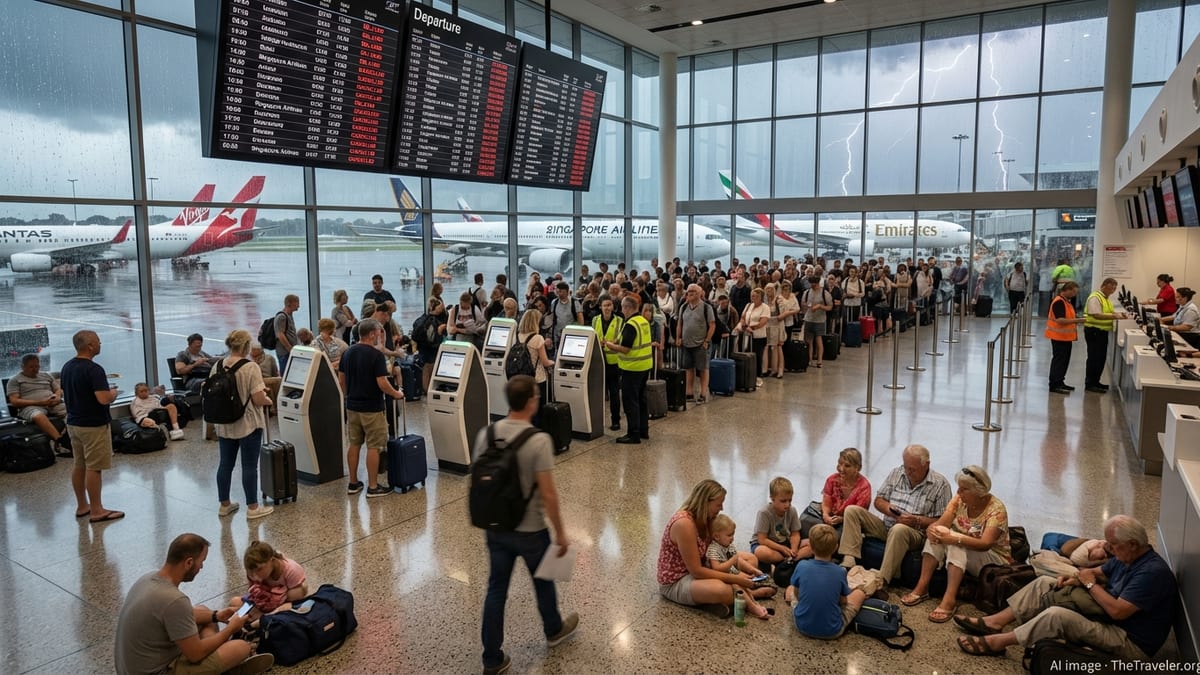
Severe weather warnings over peak Easter getaway
The Met Office named Storm Dave ahead of the Easter bank holiday as forecast models converged on a deep area of low pressure tracking across the north of the UK. Publicly available guidance highlighted the risk of damaging gusts, difficult driving conditions and wintry weather at higher elevations, particularly in Scotland and Northern Ireland.
A mix of yellow and amber weather warnings for wind was issued for large parts of northern England, North Wales, Northern Ireland and Scotland from Saturday evening into Easter Sunday. Updates from the national forecaster indicated that gusts of 60 to 70 miles per hour were widely possible in exposed locations, with isolated higher values in coastal and upland areas.
In northern Scotland, forecast discussions signalled that colder air on the northern flank of the system would turn rain to snow, especially above 200 metres. Accumulations of 5 to 10 centimetres were deemed possible on higher routes, with localised deeper drifts where showers aligned, raising the prospect of temporary road closures and challenging conditions for anyone attempting cross‑country drives.
The warnings coincided with one of the busiest travel periods of the year. Motoring organisations had already projected the heaviest Easter traffic on UK roads since the early 2020s, and travel industry bodies estimated that around two million people were planning trips abroad over the long weekend. The arrival of Storm Dave effectively overlaid severe weather hazards on top of an already crowded transport picture.
Road journeys slowed by crosswinds, surface water and snow
Initial reports from across the road network pointed to difficult driving conditions on exposed stretches of motorway and trunk routes late on Saturday and into Easter Sunday. Strong crosswinds affected high‑sided vehicles on bridges and elevated sections, prompting precautionary speed restrictions and, in a few cases, short‑notice closures while debris was cleared.
In Scotland and northern England, surface water and standing puddles built up where heavy showers tracked repeatedly over the same areas. Publicly available traffic feeds and local media coverage noted minor collisions and breakdowns contributing to further congestion, particularly on key holiday arteries such as the M6 and A1 corridors.
Farther north, snow became the dominant hazard on some higher routes. Cameras on trans‑Highland roads showed stretches of slushy or snow‑covered carriageway, with ploughs and gritters deployed in an effort to keep main links open. Travel bulletins cited reduced visibility in blowing snow and urged drivers to allow extra time or consider postponing non‑essential journeys in the worst‑affected upland zones.
Motoring analysts suggested that the impact on road travel was magnified by the timing of the storm. With many families targeting Saturday and Easter Sunday for outbound trips, even modest delays at pinch points translated into long queues, extended journey times and frayed tempers at service areas just as weather conditions deteriorated.
Rail and air passengers face knock‑on disruption
The rail network also felt the effects of Storm Dave. High winds increase the risk of fallen trees, debris on the line and damage to overhead power lines, and rail operators adjusted timetables in advance in some regions to build in additional recovery time. According to published coverage, parts of northern England and Scotland saw temporary suspensions or speed restrictions on certain routes as the worst of the gusts passed through.
By Easter Sunday morning, reports indicated that some services were running late or being replaced by buses where storm‑related damage had to be inspected. Images shared via public information channels showed branches and lightweight structures brought down near tracks, prompting safety checks before trains could resume at normal speeds.
Air travellers encountered a familiar pattern of weather‑related disruption. Strong crosswinds and wind shear can complicate take‑offs and landings, and airports in the storm zone reported a mix of delays and a limited number of cancellations as aircraft were repositioned or held until conditions improved. Some passengers heading to Mediterranean and short‑haul European destinations experienced extended waits inside terminals as ground operations were temporarily curtailed by high gusts and intense showers.
Ferry crossings on Irish Sea and northwestern routes also came under pressure, with operators using public channels to warn of possible schedule changes, slower sailings or short‑notice cancellations where sea conditions became marginal. For travellers relying on tight connections between different modes, even relatively short delays in one part of the system were enough to derail carefully planned Easter itineraries.
Snow in the north contrasts with blustery, showery south
While Storm Dave was most disruptive in the north and west, the effects were felt more broadly. Forecast discussions from the Met Office outlined a classic north‑south split, with the deepest cold air and snow risk confined to northern Scotland and the highest routes, while much of England and Wales saw periods of heavy rain, squally showers and blustery conditions.
Across central and southern England, Easter weekend weather featured bands of rain sweeping through, followed by bright spells punctuated by sharp, gusty showers. Some of these carried hail and thunder, leading to short‑lived but intense bursts of rainfall that temporarily overwhelmed drainage in urban areas and added to localised surface water flooding.
Despite the unsettled picture, temperatures in the south stayed close to the seasonal average for early April, and any wintry precipitation was limited to short‑lived sleet in heavier showers. The contrast with conditions on high ground in the north, where lying snow and drifting were reported, underlined the highly regional nature of the storm’s impacts.
Publicly available assessments suggested that as the centre of Storm Dave moved away to the northeast during Easter Sunday, the strongest winds gradually eased. However, forecasters cautioned that further showers and breezy conditions would persist into Easter Monday for many areas, meaning continued changeable weather for those returning from weekend breaks.
Travel operators adapt as outlook improves after Easter
Transport providers across road, rail, air and sea spent much of the holiday period working to absorb the shock of Storm Dave and return services closer to normal. According to information shared in public updates, rail companies prioritised clearing debris, inspecting vulnerable infrastructure and restoring full timetables where it was safe to do so, while also advising passengers to check the latest travel information before setting out.
On the roads, national and local authorities focused on removing fallen branches, securing loose roadside objects and monitoring routes where snowmelt and further showers could sustain the risk of standing water. With the busiest outbound phase of the Easter rush giving way to return journeys, traffic patterns were expected to evolve, but residual delays remained possible where earlier disruption had led to rescheduled trips.
Airports and airlines signalled through public‑facing channels that they aimed to operate largely normal schedules once the most severe gusts had passed, while warning that aircraft and crew displaced by earlier conditions could still cause isolated knock‑on delays. Ferry operators took a similar approach, looking to restore regular timetables as sea states slowly improved in the wake of the low‑pressure system.
Looking beyond the immediate storm, medium‑range forecasts pointed to a gradual transition toward more typical early‑spring conditions, with a mixture of sunshine and showers and less widespread severe weather. For travellers whose plans were disrupted by Storm Dave, that shift may come too late to salvage Easter getaways, but it offers some reassurance that the worst of the holiday weather turmoil is now moving into the rear‑view mirror.