

More news on this day
Passengers at Indianapolis International Airport faced extensive disruption over the Easter holiday weekend, as at least 48 flights were delayed and five were canceled, disrupting services operated by major U.S. carriers across some of the nation’s busiest domestic and international routes.
Get the latest news straight to your inbox!
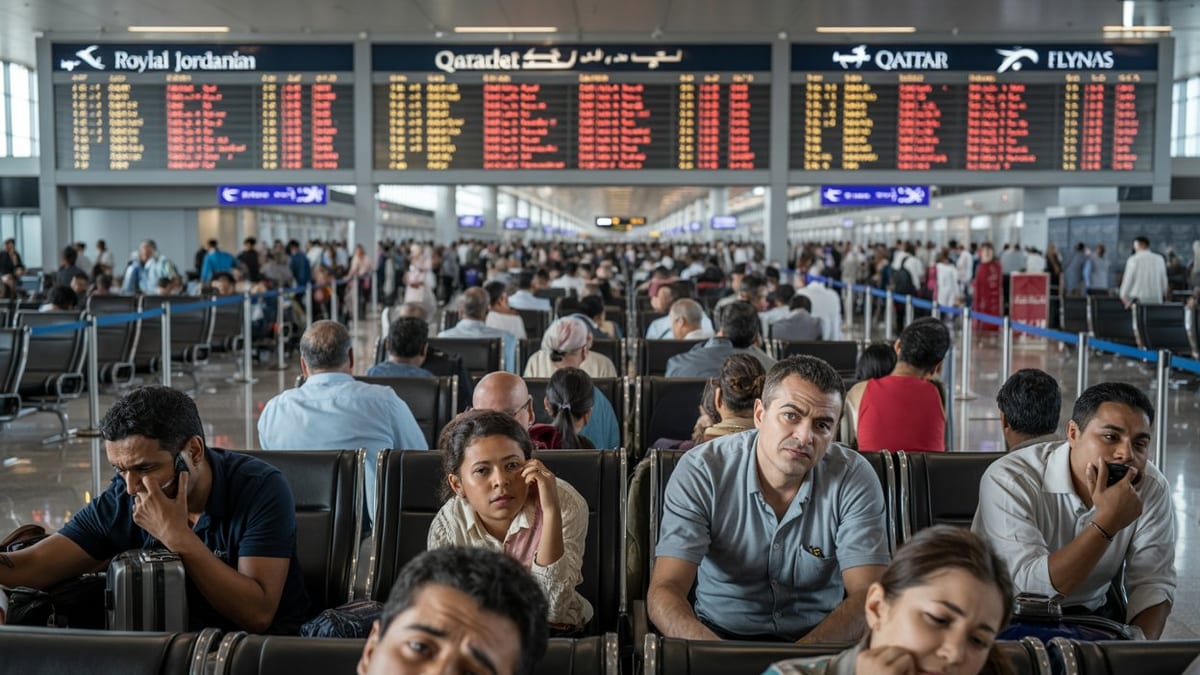
Weather Turbulence and Holiday Crowds Hit Indianapolis
Publicly available flight tracking data for the Easter period indicate that a band of severe spring storms across large parts of the United States contributed to widespread schedule problems, with Indianapolis International Airport among the facilities experiencing knock-on effects. Nationally, tens of thousands of delays and thousands of cancellations were recorded between April 2 and April 4, as convective weather and congestion rippled through hub airports and secondary cities alike.
Coverage from national outlets shows that airports in Atlanta, Chicago, Dallas and Houston faced particularly heavy disruption over the same window, placing strain on the interconnected domestic network that serves Indianapolis. As major hubs absorbed ground stops, reroutes and extended spacing between departures and arrivals, mid-continent airports such as Indianapolis saw rolling delays spread into the late afternoon and evening periods.
Local and regional reports from late March had already pointed to elevated passenger volumes at Indianapolis International Airport driven by Spring Break and the Easter rush, with the airport flagging weekends through mid April as among the busiest of the season. The combination of peak leisure demand and adverse weather elsewhere in the system appears to have left limited slack to recover once flights began stacking up on the departure and arrival boards.
A review of recent federal transportation data shows that Indianapolis typically records on-time performance broadly in line with the national average, but that stormy spring months bring a noticeable rise in arrival delays and a modest uptick in cancellations. The most recent wave of disruptions fits that broader pattern, amplifying a period when airlines and airports are already operating close to capacity.
Major Carriers and Key Routes Among Those Affected
Data compiled from live flight status boards and tracking services for the Easter weekend show that the latest disruption at Indianapolis International Airport touched a cross-section of prominent carriers. American Airlines, Delta Air Lines, United Airlines and Southwest Airlines all recorded delayed departures or arrivals linked to Indianapolis over the period, alongside several international partners operating code-share routes.
Among the most heavily affected were services connecting Indianapolis with core domestic hubs, particularly New York, Atlanta and Chicago. Flights to and from Hartsfield-Jackson Atlanta International Airport, a primary hub for Delta and a key connecting point for American and various partners, showed multiple extended delays and at least one cancellation on routes tied to Indianapolis. Similar patterns appeared on links between Indianapolis and Chicago O’Hare International Airport, a central node in both American and United’s networks.
Services involving New York area airports also experienced knock-on effects. Tracking data for recent days show that flights between Indianapolis and John F. Kennedy International Airport, including those operated in partnership with European carriers, reported longer than average delays as weather systems passed through the Northeast and Midwest. Late-running inbound aircraft, crew reassignments and ground congestion all contributed to rolling schedule changes visible to passengers at Indianapolis.
While Indianapolis does not host a large volume of long-haul intercontinental departures, it relies heavily on onward connections via major hubs for international travel. Disruption to transatlantic services from airports such as New York and Chicago meant that some passengers departing Indianapolis for destinations like Frankfurt faced missed connections or forced overnight rebookings, even when their local segment ultimately departed.
Impacts for Travelers on Domestic and International Itineraries
The combination of 48 delayed flights and five cancellations at a regional hub like Indianapolis has outsized consequences for travelers, particularly during a holiday period. Even moderate delays on outbound legs can translate into missed onward flights in Atlanta, Chicago or New York, lengthening total journey times for passengers headed to the East Coast, Europe or beyond.
Travel forums and social media posts over the Easter weekend describe passengers departing from or arriving into Indianapolis encountering delay windows ranging from one to several hours, with some late-night departures pushed into the early morning. In a number of cases, travelers reported needing to adjust ground transportation and lodging plans in response to rolling time changes posted on airport boards and airline apps.
For international itineraries routed via major hubs, the impact of a missed connection can be particularly disruptive. A delayed Indianapolis to Chicago service, for example, may cause passengers to lose seats on limited-frequency flights to Frankfurt or other European destinations, with rebooking options sometimes stretching into the following day due to high seasonal loads. This dynamic increases the likelihood of unplanned overnight stays and complicates baggage handling.
Business travelers and those on tight schedules faced additional challenges. According to publicly accessible airline performance data, even a single cancellation on a city pair with relatively few daily frequencies can remove key options for same-day re-accommodation. That reality was evident in Indianapolis as carriers juggled aircraft and crews to restore schedules after the worst weather impacts eased.
Why Indianapolis Is Vulnerable to Systemwide Disruptions
Although Indianapolis International Airport is not among the largest U.S. hubs, its location and role in the national network leave it highly exposed to problems elsewhere. The airport functions as a spoke feeding multiple large connecting complexes, notably in Atlanta, Chicago and New York. When thunderstorms, low ceilings or traffic management initiatives slow operations at those hubs, ripple effects can reach Indianapolis quickly.
Federal on-time performance statistics for recent years show that spring is a transition period marked by more frequent convective weather events across the Midwest and South, often leading to ground delay programs and airborne holding at hub airports. When airlines adjust flows to accommodate safety margins and air traffic control directives, secondary airports that depend on those hubs can experience extended gaps between flights or sudden clustering of arrivals.
Indianapolis also sees fluctuating seasonal demand tied to collegiate sports, conventions and leisure travel, which can leave carriers operating with limited spare capacity on peak days. During holiday periods such as Easter, this means that even modest weather-related slowdowns can push already tight schedules past their tipping point. The recent tally of delays and cancellations highlights how a mix of external and structural factors can converge in a short timeframe.
Historic data on winter and spring storms further underline this sensitivity. Major multi-day weather systems affecting both the Midwest and Northeast have repeatedly triggered large-scale disruptions across U.S. air travel in recent seasons, with Indianapolis recording spikes in delayed and canceled operations in step with national trends. The latest episode appears to follow that evolving pattern, albeit on a smaller scale than the largest nationwide events.
What Airlines and Passengers Can Do During Similar Events
Recent guidance from airlines and transportation agencies emphasizes that travelers through airports like Indianapolis can take several steps to reduce the impact of sudden disruption. Booking longer connection windows at major hubs, particularly during storm-prone months, can create additional buffer time when early segments run late. Passengers are also encouraged to use airline mobile apps and text alerts to receive rapid updates when departure times shift.
Airlines serving Indianapolis typically respond to episodes of concentrated disruption by prioritizing crew and aircraft repositioning on trunk routes to major hubs, with the goal of restoring the broader network as quickly as possible. This may involve consolidating lightly booked flights, adjusting aircraft gauge on certain city pairs or temporarily suspending marginal frequencies in favor of high-demand corridors.
Publicly available consumer rights resources stress that travelers affected by significant delays or cancellations should review the conditions of carriage for their specific airline. While policies differ between carriers, many provide meal vouchers, hotel accommodations or rebooking assistance in particular circumstances, especially when disruptions extend into overnight hours. In some cases, travel insurance policies or credit card protections can offer additional recourse.
The latest wave of delays and cancellations at Indianapolis International Airport underscores how quickly conditions can deteriorate when adverse weather intersects with peak-season demand. For passengers planning upcoming trips through the region, the episode serves as a reminder to monitor forecasts, allow extra time for connections and keep contingency options in mind when traveling through busy hubs linked to Indianapolis.