

More news on this day
Weather-related turmoil across the US air network has left travelers stranded from Atlanta and Charlotte to Chicago and Detroit, as a cluster of delays and cancellations at Greenville-Spartanburg International Airport feeds into wider disruption at some of the country’s busiest hubs.
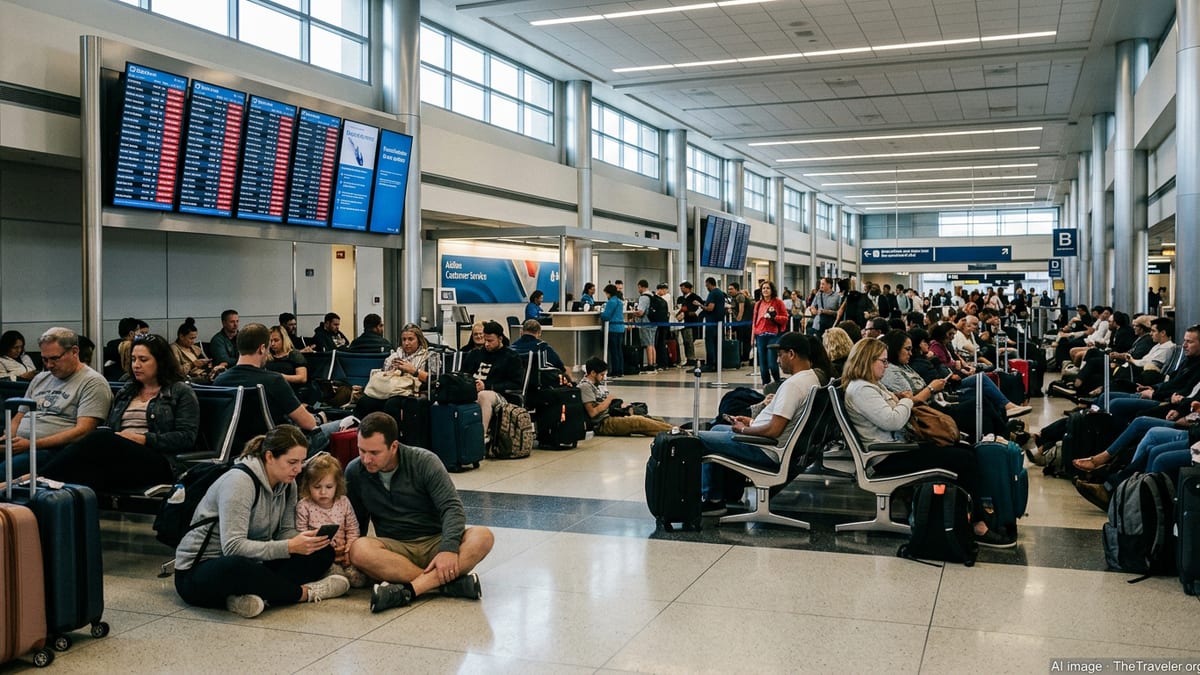
Greenville-Spartanburg Disruptions Reverberate Through Major Hubs
Greenville-Spartanburg International Airport (GSP) in South Carolina reported at least five delayed departures and a dozen cancellations over the weekend, a modest number in isolation but one with outsized consequences for passengers booked through tightly timed connections. Many of those flights were feeding into major hub airports including Atlanta, Charlotte, Chicago, Denver and Detroit, where already stressed operations meant missed connections quickly turned into overnight strandings.
The disruptions at GSP coincide with a broader spell of severe weather and low cloud ceilings across the Southeast and the central United States on March 7 and March 8, 2026. Airlines that typically use GSP to funnel travelers into large hub airports implemented rolling delays and selective cancellations as storms, ground delay programs and crew time limits cascaded through their networks.
Regional routes between Greenville-Spartanburg and major hubs have been especially vulnerable. A scheduled Saturday flight from GSP to Atlanta operated under a codeshare arrangement was among those canceled, leaving passengers bound for onward connections to Denver, Detroit and beyond scrambling to rebuild itineraries at short notice at the height of the weekend travel period.
Although GSP itself has not reported infrastructure damage or runway issues in this event, the airport has highlighted how its role as a spoke in several hub-and-spoke systems makes it acutely sensitive to operational stress at larger partner airports. Even a small cluster of cancellations can, in practice, translate into dozens of disrupted long-haul journeys for travelers departing from or returning to upstate South Carolina.
Atlanta, Denver, Charlotte, Chicago and Detroit Bear the Brunt
The most visible impacts for travelers are unfolding at major hubs where GSP passengers typically connect. In Atlanta, airlines have been working through a second day of irregular operations after a combination of thunderstorms and persistent rain triggered Federal Aviation Administration ground delay programs over the weekend. Passengers reported long lines at customer service desks and hours-long waits for rebooking and hotel vouchers after missed connections from feeder airports such as Greenville-Spartanburg.
In Denver, a late-season snow system that moved through the Rockies on Friday and Saturday continued to cause knock-on delays, particularly for flights arriving from the eastern half of the country. Chicago O’Hare, another key connection point for GSP travelers heading to the Upper Midwest and international destinations, has seen hundreds of delays and dozens of cancellations as thunderstorms and congestion repeatedly slowed arrivals and departures.
Charlotte and Detroit, both critical hubs for east coast and Midwest connections, are experiencing their own share of weather- and volume-related disruption. At both airports, travelers arriving late from smaller markets such as Greenville-Spartanburg have found that onward services to secondary cities in Michigan, North Carolina and neighboring states are already full or canceled, forcing some to spend the night in terminals or nearby hotels.
For many passengers, the experience has been especially frustrating because the disruption often starts far from the airport where they ultimately become stranded. A canceled regional leg out of GSP can cascade into missed transcontinental or transatlantic departures from hub airports, with limited spare capacity during a busy March travel weekend.
Why So Many Flights Are Delayed or Canceled at Once
A convergence of operational and weather factors is driving the current wave of disruption. Thunderstorms in the Southeast, low ceilings and rain around Atlanta, and snow and ice around Denver and parts of the Midwest have all contributed to reduced arrival and departure rates at key hubs. When the FAA institutes ground delay programs, limiting the number of aircraft allowed to land or take off per hour, airlines must quickly decide which flights to hold, which to delay and which to cancel outright.
Regional routes to and from airports like Greenville-Spartanburg often bear a disproportionate share of cancellations, because airlines prioritize preserving long-haul and transcontinental services. Aircraft and crews that would ordinarily cycle between smaller cities and hubs are instead reassigned to support core trunk routes, leaving regional passengers without viable same-day alternatives.
Compounding the weather issues, airlines across multiple hubs report pressure on crew availability. With flights departing and arriving hours off schedule, pilots and flight attendants can quickly “time out” under federal duty rules, forcing last-minute scrubs of services that might otherwise have operated once weather windows opened. That has been particularly evident at Atlanta and Chicago, where crews arriving late from one region were no longer legally able to operate their next scheduled legs.
The result is a patchwork of delays and cancellations that may look modest when viewed airport by airport, but which together have left thousands of travelers in limbo. Passengers attempting to thread connections from GSP through multiple hubs into or out of the Southeast and Midwest are among the most affected, as even slight disruptions at each stage accumulate into missed final destinations.
What Impacted Travelers Must Do Right Now
For passengers stranded at Atlanta, Denver, Charlotte, Chicago, Detroit and other affected airports after starting their journeys at Greenville-Spartanburg, travel experts say the most important step is to engage directly with the airline as early as possible. Airline mobile apps and text alerts often show rebooking options before gate agents can process long lines, and same-day seat availability on alternative routings can disappear quickly during widespread disruptions.
Travelers are being urged to accept viable rebooking options even if they involve unfamiliar connections or longer travel times, rather than holding out for ideal nonstop routes that may not materialize for a day or more. In some cases, passengers have been able to secure seats via secondary hubs or even nearby airports, then use ground transport to complete the final leg of their journeys.
Those facing overnight delays or cancellations should also confirm whether their circumstances qualify for hotel or meal vouchers. While US regulations do not mandate compensation for weather-related disruptions, many airlines provide accommodation or food support on a case-by-case basis, particularly when cancellations are driven by crew availability or operational decisions rather than purely by storms.
Passengers who booked through online travel agencies or corporate travel programs may need to coordinate between their airline and booking provider. Keeping boarding passes, receipts and written confirmations from gate agents or customer service can help support later reimbursement requests or, where applicable, claims under travel insurance policies that cover extended delays and missed connections.
How to Prepare if You Are Flying Through Affected Airports
With weather systems still active across parts of the Southeast and Midwest, travelers scheduled to pass through Greenville-Spartanburg, Atlanta, Denver, Charlotte, Chicago, Detroit and other regional hubs over the next 24 to 48 hours are being advised to build extra time and flexibility into their plans. Same-day connections that once seemed comfortable may now be tight if morning departures are held on the ground or slowed by air traffic control measures.
Checking flight status repeatedly in the hours before heading to the airport has become essential, as airlines continue to adjust schedules in response to evolving forecasts and crew placement. Where possible, rebooking to earlier flights or nonstop services can reduce the risk of being caught in a chain of missed connections, especially for those with critical commitments at their destination.
Travel planners also recommend packing medications, a change of clothes and essential toiletries in carry-on bags, in case checked luggage becomes separated during unplanned overnight stays. Travelers who anticipate the possibility of disruption might also pre-identify alternative routing options or nearby airports, such as using Charlotte instead of Atlanta or vice versa, and raise these proactively with airline agents if their original itineraries are affected.
While airlines continue working to reset their networks, officials at Greenville-Spartanburg and major hubs alike are urging passengers to remain patient and to arrive at airports earlier than usual to allow extra time for check-in and security during peak disruption. For now, the combination of lingering storms and tight airline schedules means the ripple effects from a handful of delayed and canceled flights at a regional airport can still be felt hundreds of miles away.