

More news on this day
Travelers passing through Chicago O’Hare International Airport on March 26 are facing mounting disruptions, with publicly available tracking data showing 21 flight cancellations and roughly 242 delays across airlines including United, PSA, SkyWest, American, Delta, Republic and several smaller carriers, affecting connections throughout the United States, Canada, Europe and Mexico.
Get the latest news straight to your inbox!
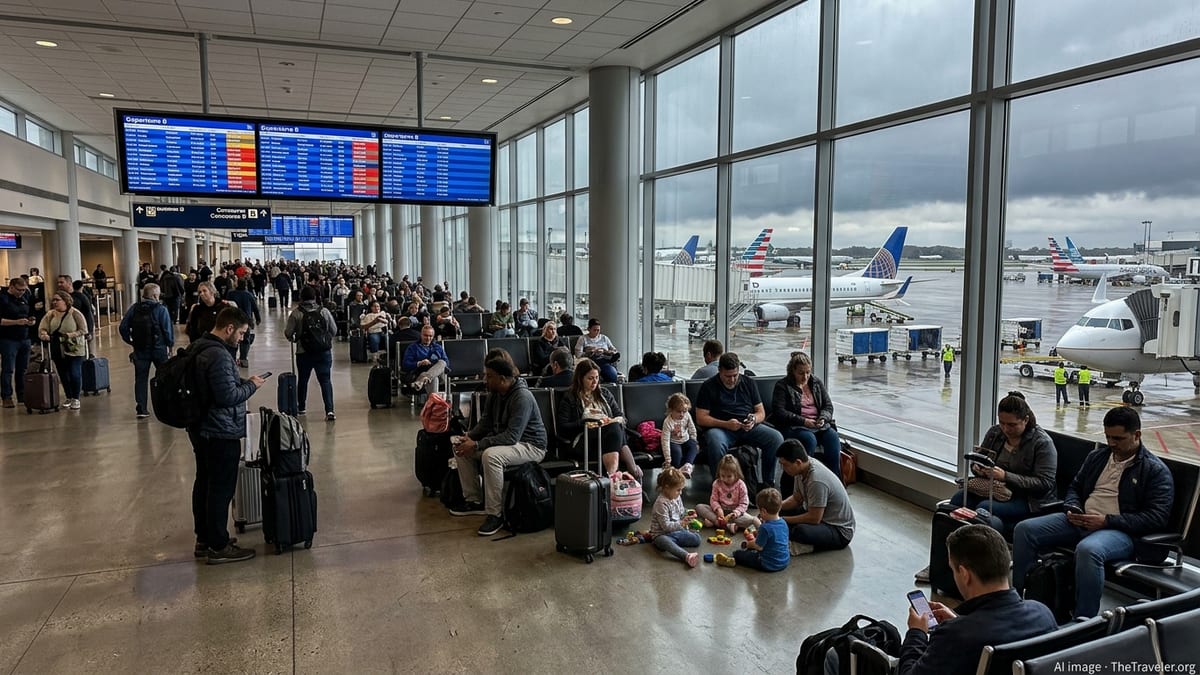
Storms and Staffing Combine to Disrupt a Major Hub
Operational data for Chicago O’Hare on Thursday point to a volatile travel day as forecast thunderstorms move into the region during the afternoon and evening. Informal reports shared by passengers and airport observers highlight expectations of rolling delays as storms track across northern Illinois, creating challenging conditions for arrivals and departures.
Weather outlooks circulated among frequent flyers and aviation watchers earlier in the week identified moderate rain, gusty winds and low ceilings as key concerns for March 26. Conditions of this kind typically trigger slower arrival rates into major hubs, leading air traffic managers to meter inbound traffic and hold departures on the ground at origin airports.
Alongside the weather, ongoing discussions about air traffic control staffing in the Chicago area have fueled concern about the system’s ability to absorb disruptions. Recent advisories and traveler accounts have described ground delay programs tied to staffing constraints at facilities that handle traffic into and out of O’Hare, adding another layer of vulnerability when storms arrive during peak travel periods.
As airlines adjust to both meteorological and staffing pressures, the cumulative effect is a wave of schedule changes that ripple far beyond Chicago, touching busy domestic corridors as well as transborder and transatlantic routes that rely on O’Hare’s role as a transfer hub.
United and Its Regional Partners Bear the Brunt
United Airlines, which operates its largest hub at O’Hare, appears to be among the most affected carriers as the day’s disruption unfolds. Publicly accessible tracking boards show United mainline flights and United Express services operated by partners such as SkyWest and Republic recording a significant share of the delays and cancellations tied to the thunderstorms and associated flow restrictions.
In advance of the storms, United issued a travel waiver for itineraries to, from or through O’Hare covering March 26, allowing eligible customers to reschedule trips within a limited window without change fees. Aviation enthusiasts monitoring these waivers note that such programs have become a common tool for airlines to encourage early voluntary changes, easing pressure on heavily booked flights once weather begins to impact operations.
Regional affiliates including PSA, SkyWest and Republic play a central role in feeding United and American networks at O’Hare, operating shorter routes to secondary cities across the Midwest and beyond. These flights are often among the first to be trimmed or delayed when capacity must be reduced, because airlines prioritize long haul services that carry more passengers and connect to international networks.
The combination of mainline and regional schedule adjustments translates into a complex puzzle for travelers. Missed connections, rebooked itineraries and last minute gate changes are common on days when a hub like O’Hare is constrained, prompting many passengers to spend additional hours in terminals waiting for updated departure times.
American, Delta and Other Carriers Navigate Tight Capacity
American Airlines, which has been rebuilding its presence at O’Hare, is also contending with the day’s constraints. Publicly available information on operations and local traveler commentary indicate that American’s schedules, already dense relative to available gate space, leave little margin when storms or staffing issues slow the flow of aircraft on the ground.
On days with irregular operations, aviation watchers frequently point to crowded ramp areas and gate shortages as a driver of longer taxi times and holding patterns near the terminal. When arriving flights are forced to wait for an open gate, turn times increase, pushing subsequent departures later into the day and compounding weather related delays.
Delta and other national and international carriers with a smaller footprint at O’Hare are not immune to the disruption. Even with fewer daily departures than the hub carriers, these airlines share the same runways and airspace, and their flights are subject to the same flow restrictions imposed to maintain safety during convective weather.
For carriers operating transborder services to Canada and Mexico or long haul flights to Europe, delays in Chicago can cascade across their broader networks. Late arrivals into O’Hare may shorten connection windows for passengers heading onward, while late departures can create missed inbound connections for travelers planning to return to North America later in the week.
Network Impact Reaches Across North America and Europe
Because O’Hare functions as a central transfer point for much of the Midwest and Great Lakes region, even modest numbers of cancellations and delays can reverberate widely. The 21 cancellations and more than 200 delays recorded on March 26 represent dozens of aircraft and crews arriving late to their next assignments, affecting cities that may be far from the day’s bad weather.
Domestic routes from Chicago to major U.S. hubs such as New York, Washington, Dallas and Denver, as well as shorter flights to regional airports, are particularly sensitive to disruptions. When arrival rates into O’Hare are reduced, airlines often prioritize flights with heavy connection loads, leaving some shorter point to point services more vulnerable to cancellation or significant delay.
Transborder links to Canadian cities and leisure destinations in Mexico also face pressure when O’Hare’s timetable slips. Late arriving feeder flights can strand travelers who had planned to connect to evening departures, prompting rebookings on next day services or rerouting through alternate hubs in cities like Toronto, Dallas or Atlanta.
Across the Atlantic, European bound flights may depart behind schedule as crews and aircraft work through the day’s congestion. While long haul schedules sometimes have built in padding that allows flights to make up some time en route, missed arrival slots and nighttime curfews at overseas airports limit how much delay can be absorbed before further adjustments are required.
Travelers Adjust Plans Amid an Unsettled Spring Pattern
The disruptions at O’Hare come amid a broader pattern of unsettled late winter and early spring weather across North America that has already produced notable storms and travel impacts in other regions this month. Weather related waivers and ground delay programs have become a recurring feature of the season for major airlines and hub airports.
For travelers, publicly available guidance and shared experiences suggest several emerging strategies on days like March 26. Many passengers are choosing earlier departures to build in buffer time for connections, while others are shifting to non stop routes that bypass congested hubs when alternatives exist.
Observers following the situation at O’Hare note that security lines and terminal operations have remained relatively manageable despite the flight irregularities, with reports describing wait times that are elevated but not extreme. The more significant pain points appear to be shifting departure times, rolling gate changes and the challenge of securing seats on later flights once cancellations mount.
As thunderstorms move through the Chicago area and air traffic managers work to balance safety with throughput, conditions at O’Hare are expected to remain fluid throughout the evening. Passengers are widely encouraged, through public advisories and airline communications, to monitor their flight status frequently and be prepared for further adjustments as the weather evolves.