

More news on this day
A late-season winter blast is causing fresh travel turmoil across the United States, with reports indicating 191 flights cancelled and at least 3,022 delayed at major hubs from Atlanta and New York to Los Angeles and Fort Lauderdale.
Get the latest news straight to your inbox!
Major Hubs From Coast to Coast Snagged by Disruptions
Publicly available tracking data and industry coverage show that the latest wave of disruption is hitting many of the country’s busiest airports simultaneously. Atlanta, New York, Boston, Los Angeles, Fort Lauderdale and Detroit are among the hardest affected, with cancellations and rolling delays stacking up through the morning and into the afternoon.
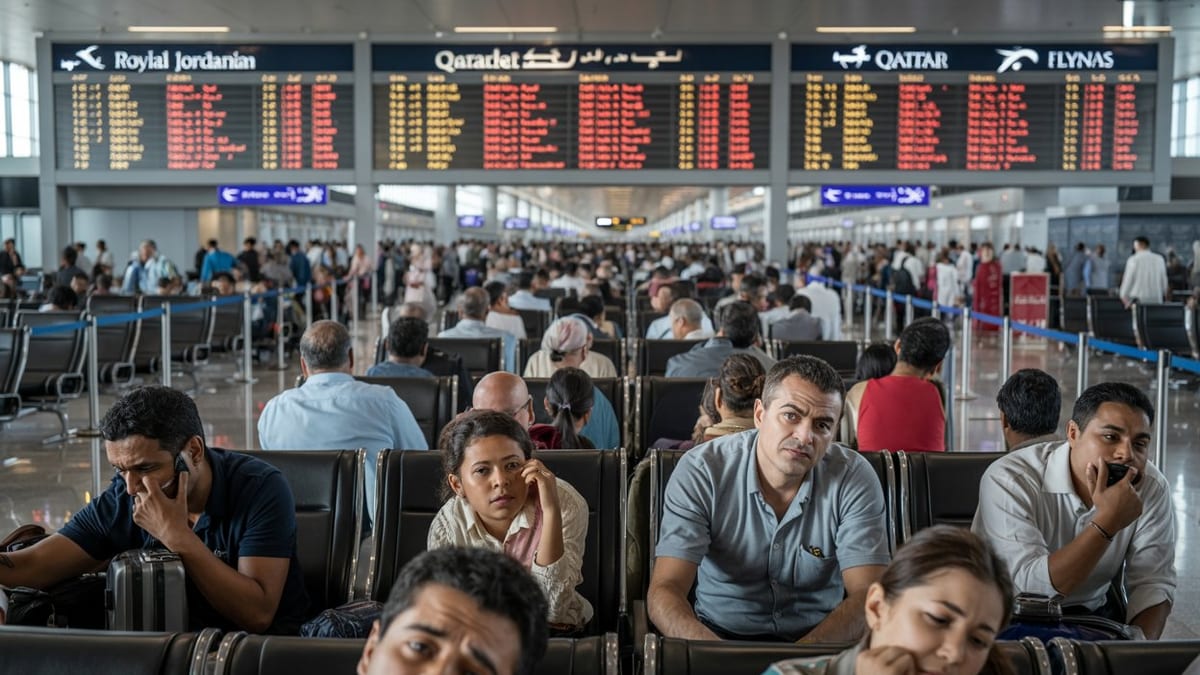
At Hartsfield-Jackson Atlanta International Airport, one of the world’s largest airline hubs, a combination of winter weather, aircraft repositioning challenges and congestion has led to dozens of delayed departures. Terminals in New York and Boston are also seeing tightly packed departure boards with long strings of yellow and red status updates as operations slow in the wake of the storm system.
On the West Coast, Los Angeles International Airport is experiencing a lower number of outright cancellations but a high volume of delayed flights, compounding the strain on transcontinental and regional connections. In Florida, Fort Lauderdale-Hollywood International Airport is reporting more delays than cancellations, but even modest schedule changes are rippling across already full flights during the busy spring travel period.
Detroit, another key connecting point for domestic and international itineraries, has emerged as a secondary chokepoint. There, delays are affecting both originating and inbound flights, making it harder for airlines to re-establish reliable connections for passengers traveling onward to smaller regional airports.
Delta, Alaska, American, United and Regionals Under Pressure
The disruption is cutting across much of the US airline sector. Delta Air Lines, with its large hub presence in Atlanta, Detroit, New York and Los Angeles, appears to be among the most heavily impacted carriers, with network-wide delays and cancellations concentrated at its core hubs. Publicly available information indicates that passengers on multi-leg itineraries involving Delta’s connecting cities are facing some of the longest knock-on delays.
Alaska Airlines, which relies heavily on West Coast routes and codeshare operations, is seeing its schedule compressed by the widespread delays. Even when only a handful of flights are cancelled outright, late arrivals from other parts of the country are forcing subsequent departures to push back, particularly through Los Angeles and other coastal gateways.
American Airlines and United Airlines are also contending with widespread operational headaches. Both carriers maintain significant schedules through the affected airports and depend on tightly timed connections. When a storm slows down one end of their networks, aircraft and crews can fall out of place, leading to cancellations even in cities that are not directly in the path of severe weather.
Regional operators such as Endeavor Air, which flies many routes under the Delta brand, play a crucial role in feeding passengers from smaller markets into these big hubs. When those smaller jets are grounded or delayed, it becomes more difficult for mainline carriers to keep larger aircraft filled and on time. As a result, some of the most severe disruptions are occurring on short-haul and commuter routes that connect into Atlanta, New York, Boston and Detroit.
Weather, Crewing and Congestion Create a Perfect Storm
Weather remains the primary trigger for the current wave of cancellations and delays. A late-season winter system is sweeping across large portions of the country, bringing a mix of snow, freezing rain and gusty winds that complicate flight operations. Even modest snowfall or cold rain can require additional deicing procedures, longer taxi times and more separation between aircraft during takeoff and landing.
These weather-related slowdowns are colliding with persistent staffing and scheduling challenges within the airline industry. Reports from recent months have highlighted how thin crew reserves and carefully calibrated aircraft rotations can leave little margin when storms emerge. If a flight crew reaches legal duty time limits while waiting out a delay, that aircraft may no longer be able to depart, turning a delay into a cancellation.
Congestion at major hubs is further amplifying the impact. When hundreds of flights are rescheduled into smaller windows of favorable weather, runways and taxiways quickly become overloaded. Air traffic management measures, including ground delay programs and flow restrictions, are then used to meter departures into the national airspace system, slowing operations even at airports with clear skies.
Once a disruption of this scale takes hold, recovery can take many hours, if not days. Aircraft end up out of position, crews may be scattered across the network and maintenance checks need to be rescheduled. The 191 cancellations and more than 3,000 delays reported so far are a snapshot of a larger, rolling challenge that can persist even after the weather begins to improve.
Travelers Confront Long Lines, Rebooking Scrambles and Missed Connections
For passengers, the operational complexities translate into very real frustrations at the terminal. Reports from affected airports describe long lines at check-in and customer service counters as travelers attempt to secure alternative flights. Those with tight connections through hubs like Atlanta, New York and Detroit are especially vulnerable to missed onward flights as delays compound through the day.
Travelers booked on Delta, Alaska, American, United and regional partners are turning to mobile apps and airline websites to track changing departure times and gate assignments. In many cases, digital channels are updating more quickly than airport departure boards, leading airlines in recent disruptions to encourage passengers to rely on electronic notifications and self-service rebooking tools where possible.
Families and business travelers alike are weighing whether to accept multi-stop reroutes or overnight stays when same-day options disappear. With flights across the country operating at high load factors, especially from major hubs, empty seats can be scarce once cancellations begin to accumulate. As a result, some passengers are facing extended layovers in intermediary cities or being shifted to flights on the following day.
Those who do reach their destinations are often arriving hours behind schedule, with late-night arrivals replacing planned afternoon landings. This can create a spillover effect on ground transportation, as rideshare waits lengthen and hotel shuttles face spikes in demand during off-peak hours.
What the Disruptions Mean for the Spring Travel Outlook
The latest round of cancellations and delays is unfolding just as spring travel demand is picking up across the United States. Industry observers have been watching closely to see how carriers handle weather volatility after a winter marked by several high-impact storms and operational challenges at major hubs.
The impact on Atlanta, New York, Boston, Los Angeles, Fort Lauderdale and Detroit underlines how dependent the national air travel system is on a relatively small number of mega-hubs. When multiple hubs are hit at once, disruptions can quickly spread to secondary and regional airports that rely on those cities for connections.
Publicly available data from recent months shows that airlines have been working to improve resilience by adjusting schedules, building in longer turn times and refining crew planning. However, the current episode demonstrates that strong demand and complex hub-and-spoke networks still leave carriers vulnerable when severe weather sweeps across multiple regions in quick succession.
As the spring and summer travel seasons approach, travelers are likely to pay closer attention to hub choice, connection times and weather forecasts when planning itineraries. The cascading effect of 191 cancellations and more than 3,000 delays across key US cities offers a timely reminder that preparation, flexibility and real-time information remain essential for navigating an increasingly crowded and weather-sensitive air travel system.