

More news on this day
Hundreds of travelers moving between the Dominican Republic and the northeastern United States faced another day of upheaval on Tuesday, February 24, as Punta Cana, Las Américas and Cibao international airports reported dozens of cancellations and delays tied to a powerful winter storm sweeping across New York, New Jersey, Pennsylvania and New England.
Dominican Hubs Log Dozens of Cancellations and Delays
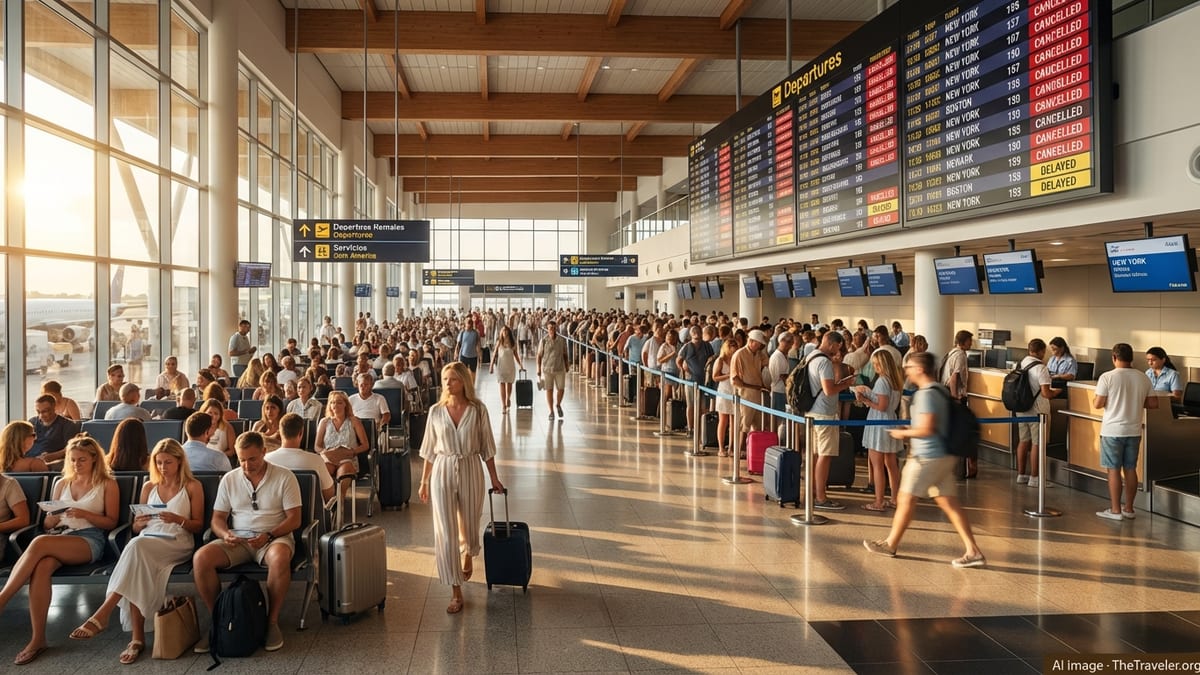
Flight operations at the Dominican Republic’s three busiest international gateways remained heavily disrupted on Tuesday, with airport and airline data showing at least 50 flights cancelled and more than 30 delayed across Punta Cana International, Las Américas in Santo Domingo and Cibao International in Santiago. The majority of the affected services link the country to major metropolitan areas in the northeastern United States, including New York City, Newark, Boston and Philadelphia, as well as nearby Connecticut airports.
Local media reported that the three airports together had logged 51 cancellations by midmorning, largely on routes to and from New York and New Jersey, where the winter system has snarled ground and air travel. At Las Américas alone, multiple arrivals and departures operated by JetBlue, Delta Air Lines and United Airlines to New York were marked cancelled, while additional services showed significant delays, compounding crowding in departure halls and baggage claim areas.
Punta Cana International, a key leisure gateway for U.S. travelers, also reported a series of cancelled or heavily delayed flights connecting to the Northeast. Several JetBlue services between Boston and Punta Cana were listed as cancelled, leaving holidaymakers and returning residents scrambling for rebooking options or forced to extend hotel stays along the resort corridor.
At Cibao International Airport in Santiago, cancellations and late-running flights on northbound itineraries added to the regional disruption, particularly for Dominican-American families traveling between the Cibao region and established diaspora communities in New York, New Jersey and Pennsylvania.
Major U.S. and Latin American Carriers Hit
The cascading operational issues rippled across the networks of several major U.S. and regional airlines. JetBlue, which maintains a strong presence on Dominican routes from New York, Newark and Boston, saw multiple flights scrubbed or retimed, including popular morning and afternoon departures that typically carry a high volume of family and labor traffic in both directions.
United Airlines and Delta Air Lines, each operating key services between Newark or New York and Santo Domingo or Santiago, also reported cancellations and extended delays. In some cases, aircraft that had already departed the United States were diverted or returned to origin airports earlier in the week as the storm intensified, complicating crew rotations and aircraft availability for Tuesday’s schedule.
Low-cost carriers Spirit Airlines and regional Latin American operators such as Avianca and Copa Airlines were not spared. Several flights connecting Santo Domingo and Punta Cana with U.S. and Central American hubs showed delay notices of more than an hour, while some departures scheduled for early in the day never left the gate. The patchwork of disruptions meant that even passengers on connecting itineraries through non-affected cities, such as Panama City or Bogotá, encountered missed connections and involuntary overnight stays.
Airport staff in Santo Domingo and Santiago reported long lines at airline service counters as travelers sought rerouting through alternative U.S. gateways in Florida or the Mid-Atlantic, which, while busy, remained less impacted by the storm than airports in the direct path of the system.
Storm-Battered Northeast Struggles to Recover
The operational strain in the Dominican Republic is being driven primarily by the ongoing winter storm hammering the northeastern United States, which has already triggered hundreds of cancellations at major airports from New York to Boston. Airlines have preemptively cut flights in and out of the region to manage safety concerns, de-icing congestion and runway availability, sending shockwaves through tightly scheduled international networks.
In New York City, John F. Kennedy International and LaGuardia have seen repeated waves of cancellations and rolling delays over the past 48 hours, affecting inbound and outbound services from the Caribbean. Newark Liberty International, a major hub for United Airlines, has also reported dozens of grounded flights, including multiple rotations to and from Santo Domingo and Santiago that would normally help balance aircraft and crews in the Caribbean.
Further north, Boston Logan International has played a significant role in the disruption of Dominican routes. JetBlue flights on the busy Boston–Punta Cana and Boston–Santo Domingo corridors have faced cancellations as wintry conditions and air traffic control restrictions tightened capacity. As airlines consolidate remaining services, standby lists have grown, leaving many travelers uncertain if they will secure seats in the coming days.
Secondary airports in Pennsylvania and Connecticut, which serve as alternate gateways for Dominican travelers in the U.S. Northeast, have likewise seen knock-on effects, with passengers reporting last-minute schedule changes and rebookings that add hours to already long travel days.
Passengers Confront Long Lines, Extra Costs and Limited Options
For passengers on both sides of the Caribbean, the disruption has translated into long waits, unexpected expenses and frayed nerves. At Las Américas and Punta Cana, families with small children, business travelers and tourists were seen clustered around departure screens and lining up at check-in counters from early morning, as announcements of cancellations and rolling delays continued throughout the day.
Travel agents and airline staff have been advising passengers whose flights are cancelled to request full refunds or free rebooking to later dates, in line with standard weather disruption policies. However, while ticket changes are typically fee-free in such cases, airlines are not obliged to cover hotel or meal costs when cancellations are caused by weather, leaving many travelers to absorb the cost of extra nights in hotels or last-minute transportation.
Some visitors whose vacations in Punta Cana and other resort areas were scheduled to end midweek have opted to extend their stays voluntarily, judging that battling crowded terminals and uncertain connections may prove more stressful than remaining in place until operations stabilize. Others, particularly those with work or school commitments in the United States, expressed frustration at the lack of clear timeframes for when regularly scheduled flights to New York and surrounding states will fully resume.
Dominican authorities and airport operators have urged travelers to stay in close contact with their airlines, monitor flight status frequently and arrive at terminals only once they have confirmed their departures, in an effort to reduce crowding in check-in halls and security lanes while storm-related disruption continues.
Operational Recovery Likely to Take Several Days
While forecasts suggest that the winter storm will gradually move out of the northeastern United States, aviation experts warn that the full recovery of normal schedules between the Dominican Republic and affected U.S. airports could take several days. Aircraft and crew imbalances, a backlog of displaced passengers and ongoing de-icing operations in the Northeast are expected to limit spare capacity on key routes well after the worst weather passes.
Airlines are likely to prioritize core trunk routes linking major hubs, which may leave some secondary city pairs with fewer options in the short term. Travelers planning upcoming trips between the Dominican Republic and cities in New York, New Jersey, Pennsylvania and New England are being urged to build in additional buffer time, avoid tight connections and consider flexible fares that can more easily be changed if further disruptions occur.
For now, Punta Cana, Las Américas and Cibao International remain operational but constrained, managing a reduced schedule that reflects both the lingering effects of the storm and the broader fragility of tightly interconnected global air networks during extreme weather events.