

More news on this day
A fast-moving spring storm system sweeping across the Northeast has triggered widespread flight disruptions at Rochester’s Frederick Douglass Greater Rochester International Airport, with dozens of cancellations and delays rippling through airline networks and upending travel plans for hundreds of passengers.
Get the latest news straight to your inbox!
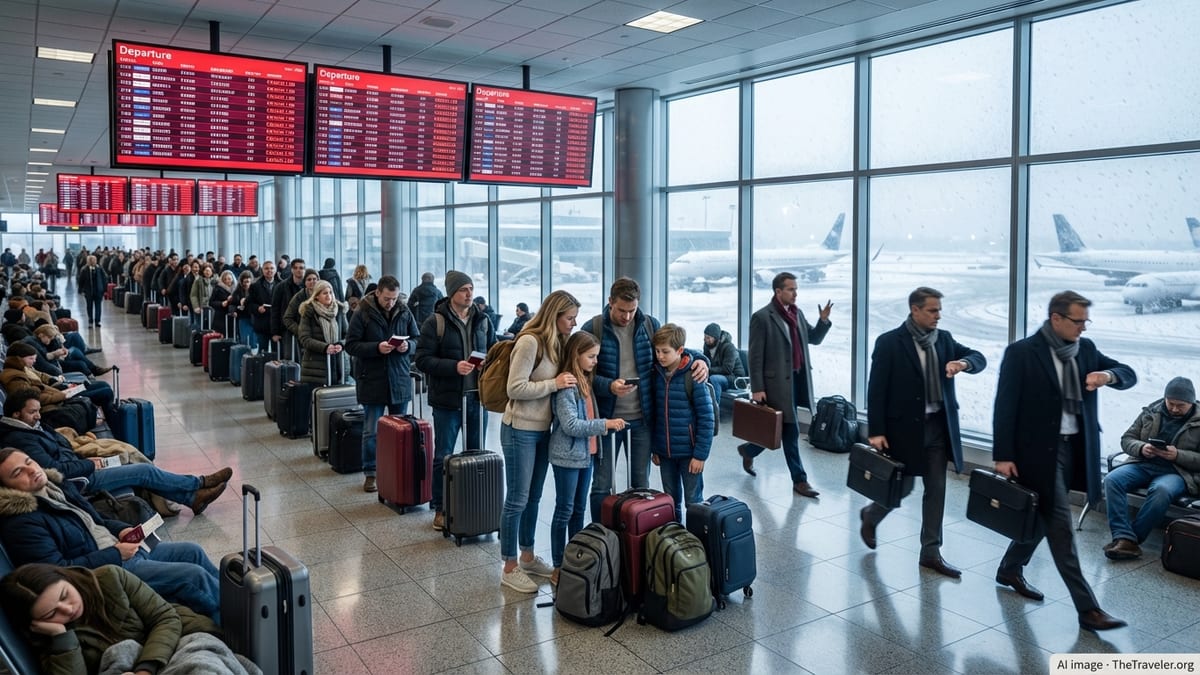
Storm Sweeps Through Western New York
The latest round of severe weather arrived on the heels of an already turbulent travel season across the United States, as frontal systems moved out of the Midwest and intensified over the Great Lakes region. Meteorologists linked the disturbance to a broader pattern of unsettled spring weather that has produced thunderstorms, low cloud ceilings, and gusty winds along key air corridors serving upstate New York.
Publicly available aviation and weather data indicated deteriorating conditions around Rochester on Friday morning, with periods of heavy rain and reduced visibility affecting operations at the airport. While the facility remained open, the combination of poor conditions over western New York and storms further along popular routes created a challenging environment for airlines attempting to keep schedules intact.
Reports from national flight-tracking platforms showed weather related delays mounting across the Northeast and Mid Atlantic, particularly at major hubs that handle connecting traffic for Rochester. Those compounding weather impacts meant that even flights scheduled during brief local breaks in the rain were vulnerable to disruption, as aircraft and crews arrived late or were reassigned.
The storm’s timing created additional complications for travelers embarking on weekend trips or returning from business travel. With many flights concentrated in morning and late afternoon banks, even a few hours of convective weather and low clouds were enough to trigger knock-on effects throughout the day.
Cancellations, Delays and Diversions at ROC
Operational data from airline and airport status dashboards showed a steady rise in disruptions at Frederick Douglass Greater Rochester International Airport as the storm system moved through the region. A significant share of departures and arrivals experienced delays of 30 minutes or more, with some services pushed back several hours or canceled outright when aircraft could not safely depart from or land at upstream hubs.
Travelers on routes connecting through major hubs such as New York, Chicago and Atlanta appeared to be among the hardest hit. When those larger airports imposed ground delay programs or reduced arrival rates because of thunderstorms, strong winds or low visibility, schedules into and out of Rochester were quickly affected. In some cases, flights originating elsewhere diverted away from weather affected airports to secondary facilities, further constraining available aircraft.
Publicly accessible flight boards for Rochester showed clusters of canceled flights on regional jet routes that depend heavily on timely connections and tight crew rotations. Disruptions on those thinner routes were particularly visible, as even a single cancellation removed a large share of daily capacity for specific destinations and limited rebooking options for stranded passengers.
Although some services were able to depart during temporary lulls in the weather, the patchwork nature of the storm system led to an uneven recovery. Aircraft that left Rochester on time often encountered holding patterns, reroutes, or congestion-related delays on arrival, complicating efforts to restore normal schedules later in the day.
Ripple Effects Across Airlines and Passengers
The disruption in Rochester formed part of a broader national pattern of weather related flight problems this week. Industry tracking services reported hundreds of cancellations and thousands of delays across the United States as thunderstorms and strong frontal boundaries swept eastward, impacting airports from the Great Lakes to the Eastern Seaboard.
For travelers passing through Rochester, the interconnected nature of airline networks meant that a storm over another city could be just as disruptive as rain over Monroe County. When storms forced traffic slowdowns at coastal hubs and Midwest connection points, aircraft and crews scheduled to operate into ROC were delayed, swapped to other routes, or left out of position, leaving local passengers with limited alternatives.
Reports from airline customer channels and publicly shared traveler experiences suggested a familiar cascade of challenges. Long lines formed at check in counters and service desks as passengers sought rebooking options, while call centers and digital support platforms faced surging demand. With some flights fully booked in the days ahead, particularly on popular weekend routes, not all travelers were able to secure same day or next day alternatives.
The disruptions also had knock on effects for ground transportation and lodging around Rochester. Ride share drivers and taxi operators experienced bursts of demand as delayed flights arrived late into the evening, while nearby hotels reported increased interest from passengers seeking one night stays after missed connections.
How the Airport and Airlines Are Managing Operations
According to publicly available operational information, Frederick Douglass Greater Rochester International Airport remained open throughout the storm system’s passage, with runways, taxiways and terminal facilities functioning despite the challenging weather. Routine winter and wet weather procedures, including runway inspections and surface treatments, supported continued operations whenever wind and visibility thresholds permitted aircraft movements.
Airlines serving Rochester appeared to rely heavily on schedule adjustments and rolling delays to manage the evolving conditions. In some cases, carriers proactively canceled select flights early in the day to reduce systemwide disruption, consolidating passengers onto remaining services once the weather outlook became clearer. That strategy, while frustrating for affected travelers, is commonly used to avoid last minute cancellations and severe aircraft mispositioning.
Published aviation safety guidance emphasizes that weather related interruptions are often driven by conditions along the entire route, not just at a passenger’s departure airport. For Rochester, that translated into occasional gaps in the schedule even when local skies seemed to be improving, as carriers waited for clearance from air traffic management programs at congested hubs or for crews to arrive within regulated duty time limits.
Despite the challenging conditions, core airport services such as security screening, parking operations and basic concessions remained available to support those waiting for new departure times. Travelers arriving early for flights encountered crowded but functioning facilities, with airport staff directing passengers to updated information via airline channels and flight information displays.
Advice for Travelers Navigating Weather Disruptions
Travel and consumer advocates note that weather related disruptions at regional airports like Rochester are likely to remain a recurring feature of increasingly volatile seasonal patterns. As large storm systems sweep across multiple states, smaller facilities that depend on connections through a handful of hubs may see outsized effects even from short lived events.
In light of the current storm system’s impact, publicly accessible travel guidance highlights a few consistent strategies for minimizing inconvenience. Passengers are encouraged to monitor flight status closely through airline apps and flight tracking services, particularly in the 24 hours before departure, when carriers begin making more definitive schedule changes.
Experts in air travel planning also suggest opting for earlier flights in the day when possible, as morning departures are more likely to leave before cumulative delays build across the network. For those connecting through other cities, allowing longer layovers can provide a buffer when storms develop along the route. Travelers departing from Rochester during active weather patterns may benefit from packing essential items in carry on bags and preparing contingency plans for overnight stays or alternative routing.
As the current storm system moves away from western New York, airlines are expected to gradually restore normal operations at Rochester, though some lingering disruptions may persist while aircraft and crews are repositioned. With similar weather events increasingly influencing air travel patterns, passengers using the region’s primary airport are likely to continue weighing the risks of seasonal storms as part of trip planning in the months ahead.