

More news on this day
Severe storm systems sweeping across East and Southeast Asia have triggered thousands of flight delays and cancellations at key regional hubs, disrupting travel plans for tens of thousands of passengers and stretching already fragile airline schedules.
Get the latest news straight to your inbox!
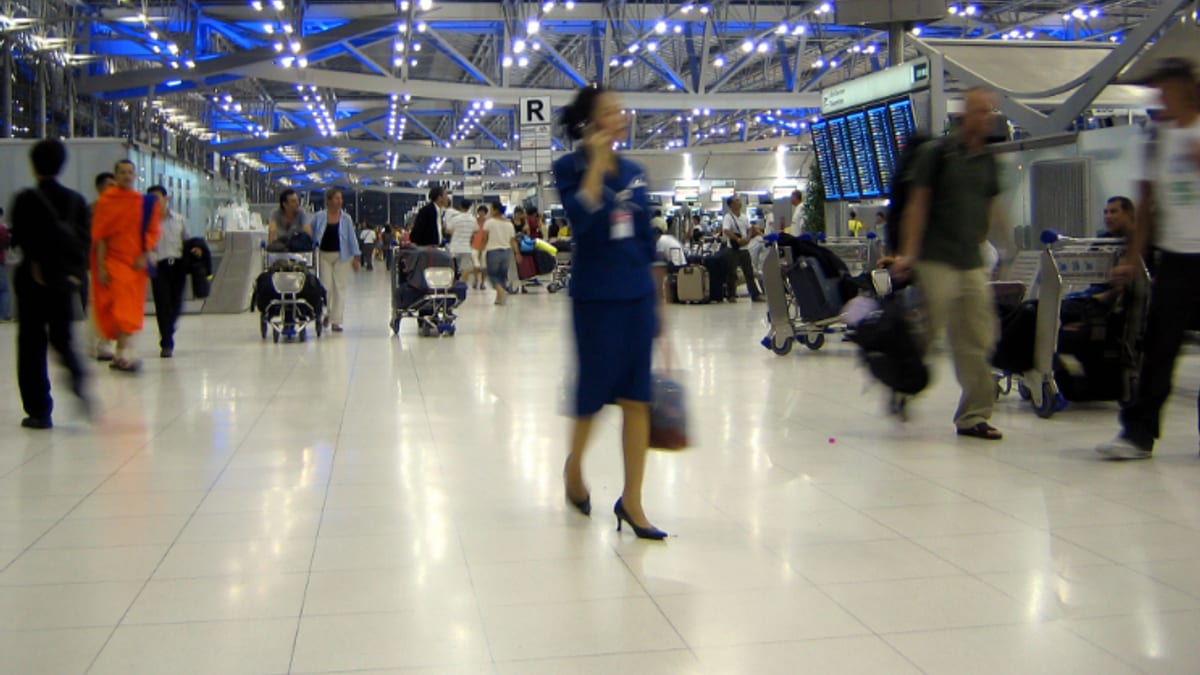
Storm Bands Disrupt a Web of Busy Asian Gateways
Recent weather patterns have combined heavy rain, thunderstorms and low cloud across a broad swath of Asia, with publicly available flight-tracking data showing widespread disruption concentrated in China, Japan and Southeast Asia. Aviation analytics used by travel-industry outlets indicate that, on several peak days in late March and early April, more than 5,000 flights across the Asia-Pacific region have been delayed, with hundreds canceled outright.
Reports from specialist aviation monitors describe storm cells and low visibility forcing repeated adjustments to departure and arrival flows at major international gateways including Beijing Capital, Shanghai Pudong, Guangzhou Baiyun, Shenzhen Bao’an, Tokyo Haneda, Bangkok Suvarnabhumi and Singapore Changi. As aircraft wait out lightning, wind shear or runway inspections, scheduled takeoff slots quickly back up, leading to long queues on the ground and tightened airspace capacity overhead.
Coverage in regional travel media notes that the disruption has not been confined to a single country or carrier. Instead, a chain of affected hubs has emerged along the storm track, with coastal airports in eastern China and the Gulf of Thailand particularly exposed. As conditions fluctuate, airports are periodically forced to reduce movements or temporarily suspend operations on certain runways, pushing delays late into the night even after the most intense weather has passed.
While storms are a regular feature of the spring transition in Asia, the current sequence has coincided with a rapid rebound in demand and relatively tight spare capacity, magnifying the impact on passengers. With many flights operating close to full, a single canceled service can displace hundreds of travelers and leave few immediate rebooking options.
China’s Mega-Hubs at the Center of the Disruption
China’s largest airports have been among the worst hit, according to operational data summarized by aviation research outlets. Severe storms and low cloud over eastern and central China in recent days have resulted in dozens of cancellations and hundreds of delays at Shanghai Pudong and Shanghai Hongqiao alone, with knock-on effects rippling through Nanjing, Chengdu, Changsha and other key domestic connectors.
Travel-industry briefings describe how Shanghai’s dual airports function as a critical hinge between northern and southern China and the wider region. Many itineraries linking inland cities with destinations in Japan, Southeast Asia and the Middle East depend on tight connections in Shanghai. When storms force a pause in takeoffs or reduce landing rates, missed connections quickly accumulate and the disruption spreads outward along connecting routes.
Similar patterns have been reported at Beijing Capital and Guangzhou Baiyun, where intense rainfall and thunderstorms have periodically pushed departure delays well beyond an hour. Analytics cited in recent coverage point to days in March when Chinese hubs alone recorded more than 3,000 delayed flights and several dozen cancellations, leaving passengers camped out in terminals overnight while airlines searched for spare seats and rested crews.
These weather-related interruptions arrive as China’s aviation sector pushes toward pre-pandemic traffic volumes, leaving less slack in aircraft and crew rotations. When a series of storms hits in close succession, the system has limited time to reset, and residual delays can persist into the following day even if skies clear.
Ripple Effects from Bangkok, Singapore and Tokyo
Beyond mainland China, regional hubs in Thailand, Singapore and Japan have reported significant knock-on disruption linked to the same storm systems. Data published by travel and aviation trackers for late March show thousands of delayed flights and several hundred cancellations across airports in Thailand, Singapore, Japan, the United Arab Emirates, India and Malaysia on some of the busiest days.
Bangkok Suvarnabhumi, which serves as a key connector for traffic between South Asia, Southeast Asia and the wider world, has faced periods of heavy rainfall and thunderstorm activity that curtailed operations and contributed to a backlog of departures. Publicly available statistics compiled by travel news outlets indicate that Thai low-cost carriers and regional airlines have been particularly exposed as tightly timed aircraft rotations unraveled.
In Singapore and Tokyo, where airports typically pride themselves on punctual operations, recent days have brought elevated delays as late-arriving aircraft from weather-affected cities disrupted carefully planned schedules. Reports summarizing flight-status data highlight higher-than-normal departure delays at Singapore Changi and Tokyo Haneda and Narita, especially on routes tied to storm-hit Chinese and Southeast Asian airports.
For travelers transiting these hubs on long-haul journeys to Europe, North America or Australasia, the impact has often appeared far from the source of the storms. Missed connections, rebookings a day or more later, and last-minute hotel stays have become common stories across passenger forums and regional coverage.
Capacity Constraints Turn Storms into Systemic Shock
Industry analyses suggest that the scale of the current disruption reflects not only the severity of the weather but also structural strains in Asia’s aviation network. Many carriers are still rebuilding fleets and crews after the pandemic, while demand for leisure and business travel across the region has surged back faster than expected.
Travel and aviation bulletins note that, compared with pre-2020 operations, airlines in parts of Asia are operating with slimmer reserves of standby aircraft and crews. This leaves limited flexibility to absorb sudden schedule shocks from storms, air traffic control restrictions or temporary runway closures. When a wave of delays hits, spare aircraft to operate recovery flights are scarce, and legally mandated crew rest requirements can push cancellations into subsequent days.
At the same time, geopolitical factors have altered traditional flight corridors between Asia, Europe and the Middle East, concentrating more traffic through a smaller set of viable routes and hubs. Briefings from aviation and consulting groups observe that already congested airspace and airports in the Gulf and parts of Central Asia have seen heavier traffic, so delays originating in Asia’s storm-hit hubs can quickly cascade into schedules far beyond the immediate weather zone.
Analysts cited in public commentaries emphasize that, while individual storms are temporary, the combination of high demand, constrained capacity and concentrated traffic flows is likely to make Asia’s aviation network more vulnerable to weather shocks for the foreseeable future, particularly during seasonal transition periods.
What Travelers Can Expect in the Days Ahead
With forecasts indicating continued unsettled weather across parts of East and Southeast Asia, travel observers expect intermittent disruption to persist at least in the short term. Even on days when skies appear relatively clear at departure points, passengers may feel the secondary effects of earlier storms if aircraft and crews are still out of position.
Public information from airlines and airports across the region continues to stress the importance of monitoring flight status closely on the day of travel, arriving early at the airport and being prepared for extended waits at check-in and security during peak disruption periods. Travel-insurance specialists cited in consumer-facing reports are also reminding passengers to retain receipts for meals and accommodation in case their policies provide compensation for long delays or involuntary overnight stays.
For now, the picture across Asia’s skies is one of gradual but fragile recovery as each new line of storms threatens to undo hours of careful rescheduling. Travelers planning to pass through heavily affected hubs such as Beijing, Shanghai, Guangzhou, Bangkok, Singapore and Tokyo in the coming days are being advised by a range of public-facing travel resources to factor extra time into itineraries, consider longer connection windows and remain flexible in case routes or departure times change at short notice.