

More news on this day
A fresh round of flight cancellations across the United States is disrupting travel plans this weekend, with publicly available tracking data showing more than 50 flights scrubbed on major carriers and knock-on delays affecting routes to New York, Los Angeles, San Francisco, Las Vegas and a string of international destinations.
Get the latest news straight to your inbox!
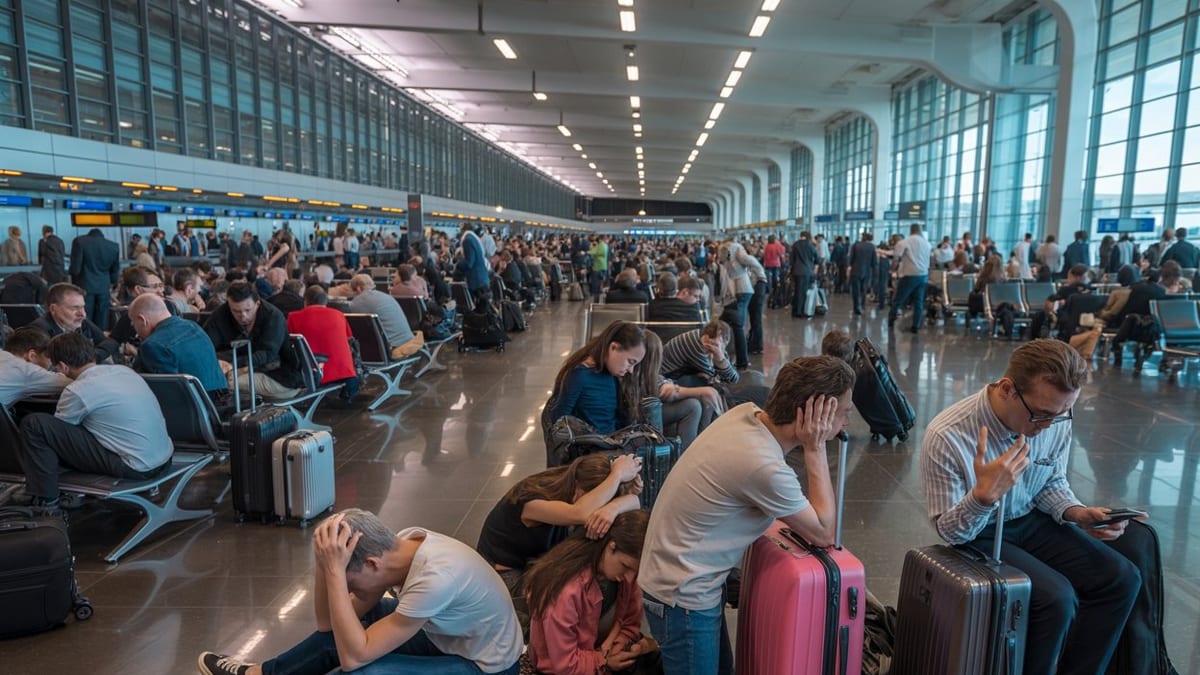
Image by travelandtourworld.com
Major U.S. Carriers Face Another Day of Disruption
Data compiled from national flight-tracking boards on March 29 indicates that the latest cancellations are spread across the country’s largest airlines, including Delta Air Lines, United Airlines, American Airlines, Southwest Airlines and several regional operators that fly under their brands. While the number of cancellations is far smaller than the mid-March weather chaos that led to several thousand flights being grounded nationwide, the impact on individual passengers remains significant.
Industry dashboards reviewed on Sunday show that each of the major network carriers recorded clusters of cancellations at their hub airports, with particular pressure around New York, Chicago and Atlanta. Southwest, which operates a point-to-point network rather than a hub-and-spoke model, is also reporting pockets of disruption at large stations such as Las Vegas and Denver, according to the same publicly available data.
Reports from aviation analysts note that many of the scrubbed flights are short-haul segments that feed larger hub operations, a pattern that mirrors earlier rounds of weather-related disruptions in March. By selectively canceling regional services, airlines aim to preserve long-haul and transcontinental flights, but that strategy can make rebooking more complicated for travelers starting from smaller or secondary airports.
Weather and Congested Airspace Drive Operational Strain
The immediate cause of the latest disruption appears to be a late-season storm system tracking across parts of the Midwest and Northeast, with strong winds and low visibility at several high-traffic airports. Earlier in March, a sprawling storm system and tornado outbreaks contributed to more than 6,500 flight cancellations over several days across the United States, highlighting how quickly adverse conditions can ripple through the network when they hit major hubs.
Operational bulletins issued this month by aviation authorities have repeatedly flagged the sensitivity of congested airspace around New York and other East Coast cities to even modest weather deterioration. When conditions drop below certain visibility or wind thresholds, air-traffic managers often slow arrivals and departures for safety reasons, cutting the number of flights that can be handled each hour and forcing airlines to trim schedules on short notice.
Airline planners also continue to work within capacity constraints that were introduced in 2025 at some of the busiest airports to reduce chronic delays. Publicly available notices describe a cap on peak operations at select facilities, a measure that has given airlines less room to add recovery flights once weather begins to clear and crews become available.
Key Domestic Routes Hit: New York, Los Angeles, San Francisco and Las Vegas
Domestic travelers flying into and out of New York, Los Angeles, San Francisco and Las Vegas are among the most affected in the current round of cancellations. Flight-status boards on Sunday show multiple scrubbed departures on routes linking New York area airports with West Coast gateways, including Los Angeles International and San Francisco International, on carriers such as Delta, United and American.
Las Vegas, a major leisure destination and a large base for both Southwest and the network carriers, has again emerged as a pressure point. Recent operational data and community reports from previous disruption days this month highlighted repeated cancellations on shuttle-style services between Las Vegas and California cities such as Los Angeles and San Francisco, as well as transcontinental flights connecting the Nevada hub to New York.
Because these city pairs are heavily trafficked and supported by multiple daily frequencies, airlines often target them for tactical cancellations when weather or crew-availability issues arise, banking on the ability to rebook passengers on later flights. However, peak spring travel demand limits the number of empty seats available, leading to longer waits for new itineraries and, in some cases, forcing travelers to accept connections rather than nonstop options.
Transatlantic and Long-Haul Links Also Affected
The disruption is not limited to domestic flying. Published schedules indicate that services connecting U.S. hubs to major overseas cities such as London and Dublin are also experiencing scattered cancellations and delays, particularly on flights routed through New York and Chicago. These transatlantic links are crucial corridors for both business and leisure travelers, and any reduction in frequency can quickly cascade into missed connections on either side of the Atlantic.
Further afield, monitoring of long-haul departure boards shows isolated cancellations or significant delays on flights touching Auckland, Kuwait, Mexico City and Buenos Aires. In many cases, the affected services originate at or pass through U.S. hubs impacted by the current weather system, demonstrating how disruptions on short domestic legs can knock a wide range of international journeys off schedule.
Some of the routes involved have seen adjustments and resumptions in recent months, reflecting broader shifts in global demand patterns. Industry coverage has pointed to increases in transpacific and Latin American flying, including expanded service to Mexico City from several U.S. gateways and the progressive rebuilding of South American networks after the pandemic years. When irregular operations occur, these still-stabilizing schedules may be more vulnerable to cuts.
What Travelers Can Expect and How to Minimize Disruption
For travelers booked on affected routes, real-time information remains critical. Airline travel-advice pages and customer-app notifications typically provide the earliest indication that a flight is at risk, often before airport departure screens are updated. Recent disruption episodes have shown that carriers sometimes proactively cancel flights many hours in advance when weather models suggest a prolonged period of low visibility or strong crosswinds at hub airports.
Passengers whose flights are canceled are generally offered rebooking on the next available service, though options can be limited on long-haul routes with once-daily frequencies such as Auckland or Buenos Aires. Travel commentators note that those flying from or via New York, Los Angeles, San Francisco or Las Vegas may have more flexibility, as multiple airlines and alternative routings can sometimes be pieced together to reach the same destination.
Publicly available airline policies show that, during widespread operational disruptions, many carriers permit same-day changes without additional fees, particularly if passengers are willing to shift to nearby airports or accept connecting itineraries. Travelers are also encouraged by consumer advocates to keep documentation of any additional costs, such as overnight accommodation or meals, in case they are eligible for reimbursement under airline rules or credit-card travel protections.